
If you are looking for a unique experience, then I highly recommend spending a night in a Bedouin camp in the Wadi Rum desert. This experience immerses you into the traditional ways of desert life and allows you to experience the warm Bedouin hospitality.
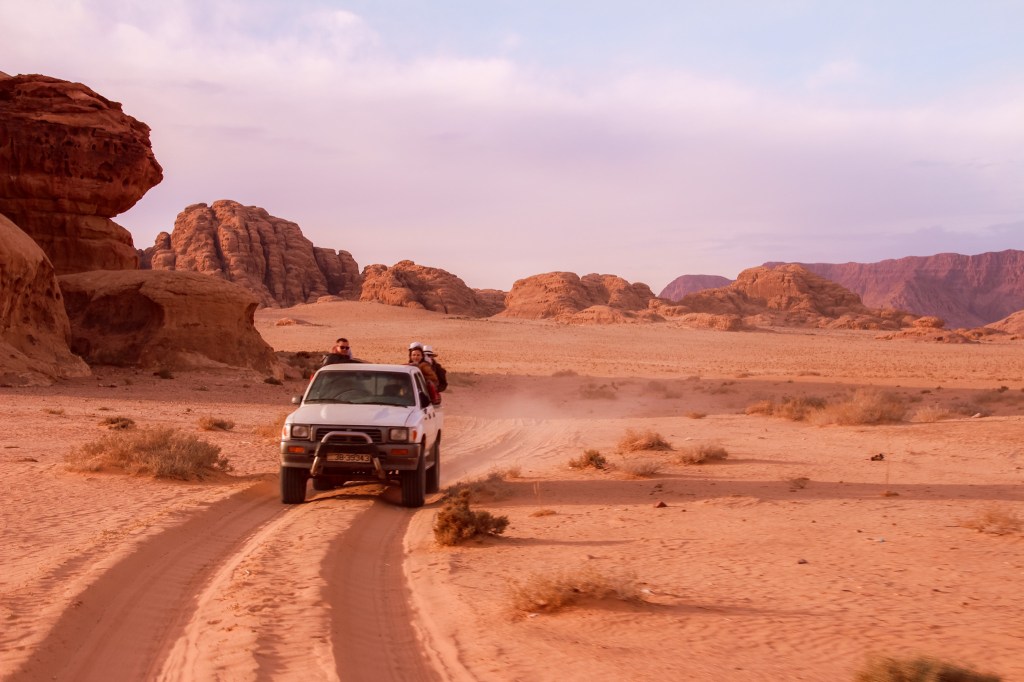
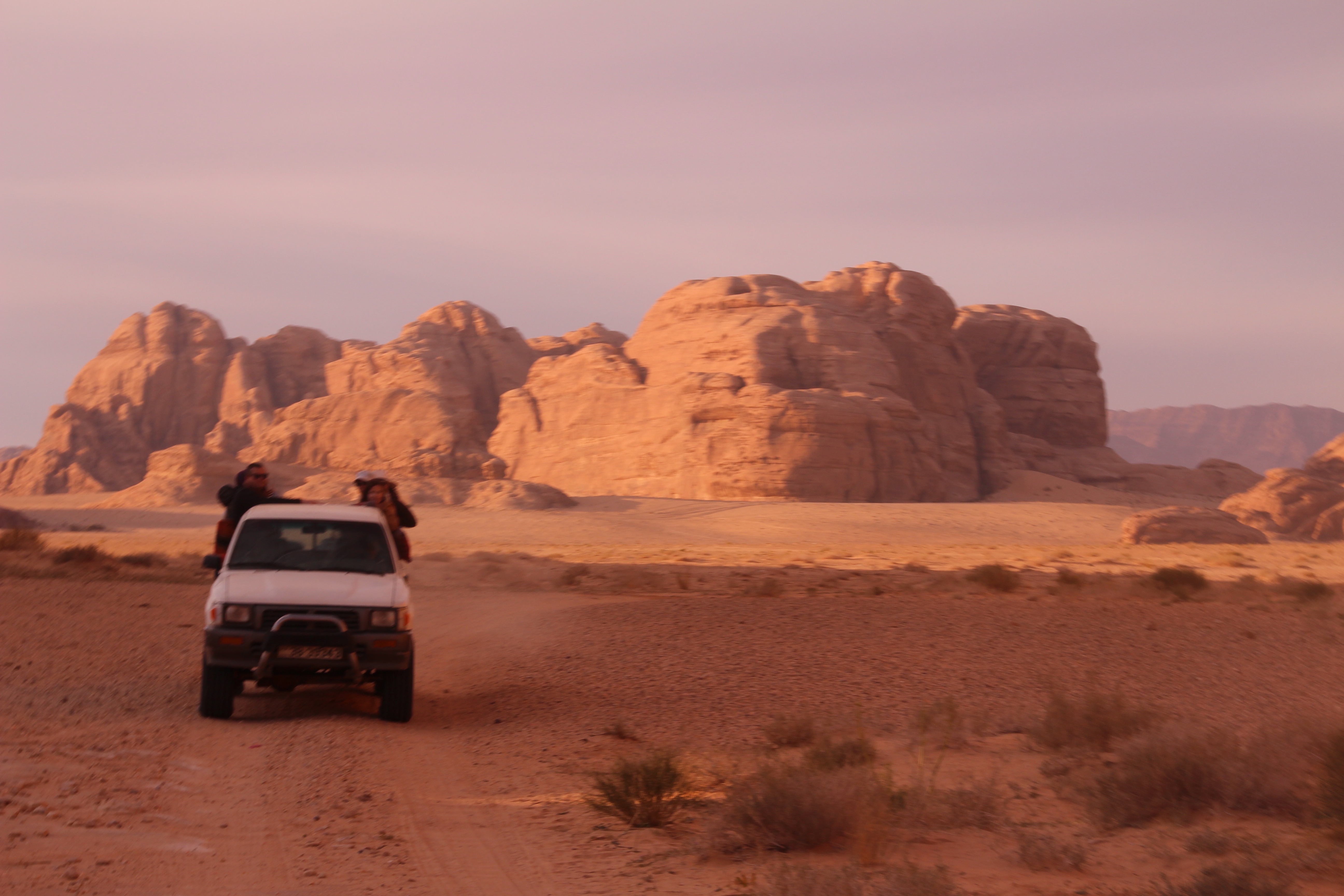
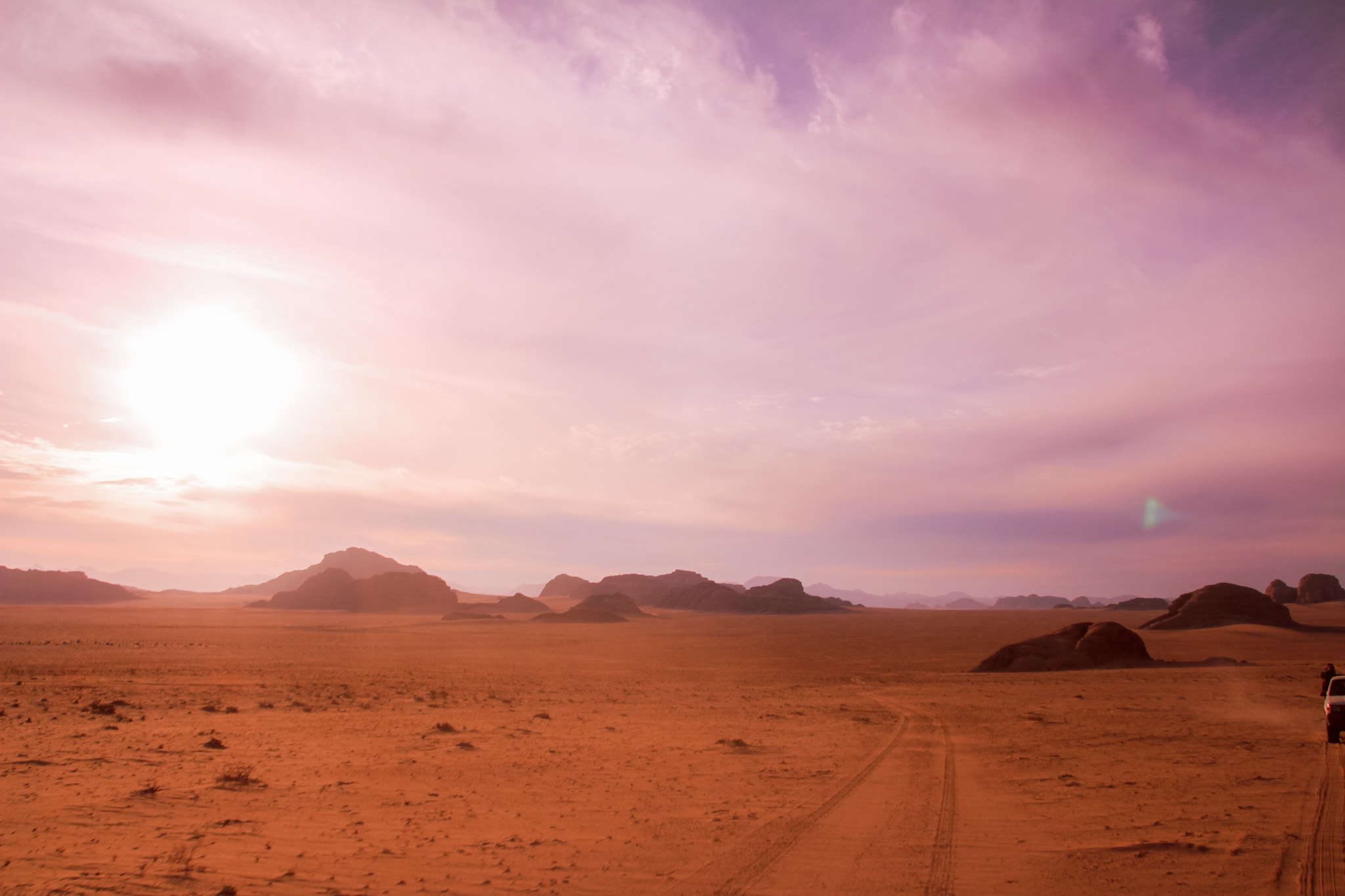
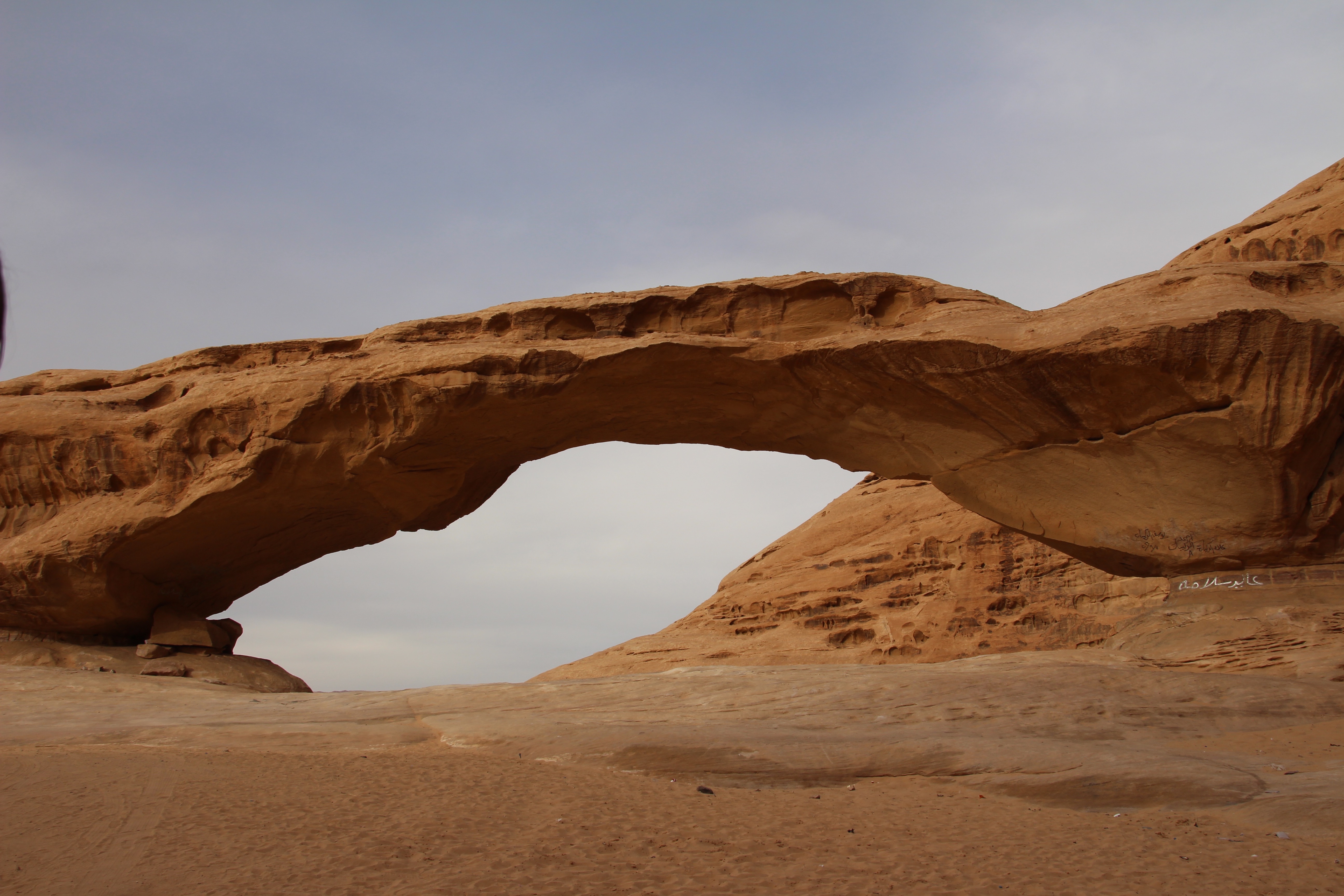
After arriving in Wadi Rum, also known as the ‘Valley of the Moon’, we jumped in the back of an old 4×4 and explored the vast landscapes of the this unique desert. Scattered throughout the crimson desert are towering sandstone and granite rock formations. If you are a fan of Star Wars, then you will want to visit Wadi Rum. It feels like you stepped onto the set of Rogue One! As we explored the desert we found ancient petroglyphs carved into the rock 12,000 years ago and climbed natural stone arches. It is honestly the most beautiful landscape I have ever seen.


As we drove through the desert, I could not help but feel a little anxious sitting unrestrained in the back of a ute. Yes… I am a bit of a chicken! But in hindsight, there was really nothing to fear as the dunes were tiny in comparison to the ones in the United Arab Emirates.


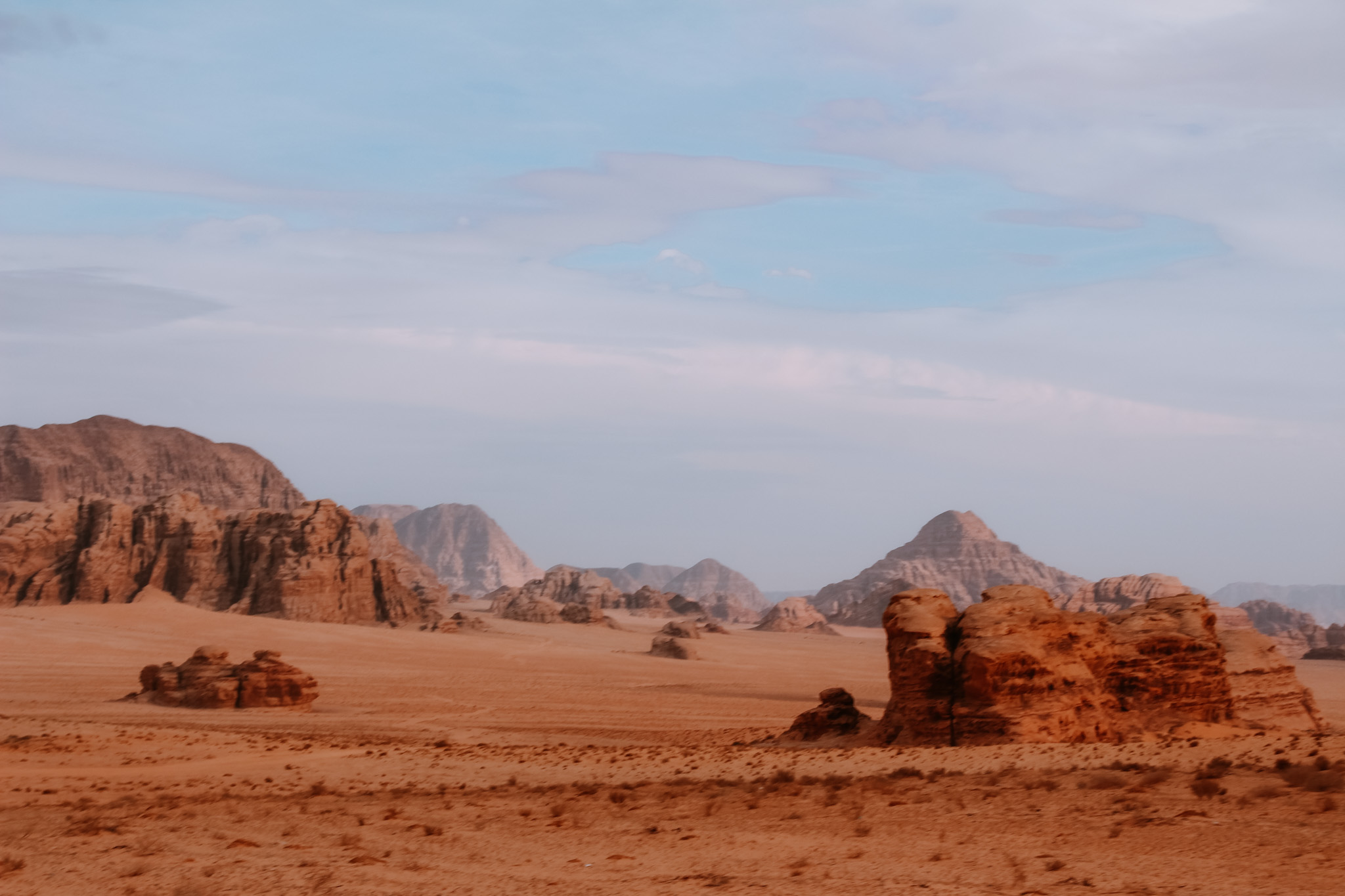

At the end of the tour we found a spot in the dunes to sit and enjoy the expansive views during sunset. It was stunning to see the the colour of the rock formations transition from red hues to pink as the sun set. In the distance there was a Bedouin walking his camel across the desert plain. Our tour guide explained that the the Bedouin people of Wadi Rum are mostly from the Zalabieh Tribe. They have a deep connection to the desert and continue to preserve their ancient traditions through music, poetry and camel riding.


After sunset we headed back to our camp, where we spent the night in a Bedouin tent in the middle of the Wadi Rum desert. The camp backs onto a massive rock enclave and opposite is a sand dune which protects the camp from the elements. The black and white tents are situated close together, side by side and act like a border around the camp.
The tents are made of goats hair, which our guide told us were expensive by local standards. The tent itself was basic. There were only two beds inside and the door at the entrance to the tent did not fully close. I was worried I would not get a good nights sleep as the temperature in the desert dropped to a chilly 5 degrees celsius at night. So I took up the offer of an extra blanket, and to my surprise the tents retained the heat so well that I ended up having an amazing and cozy sleep.


In the centre of the camp, traditional rugs and couches provide a seating area that surrounds a large camp fire. This is where we sat and devoured a traditional Bedouin style meal of lamb and vegetables, called Zarb. This traditional style of cooking involves slow cooking the food for several hours in an underground oven. The Bedouins fill a pit with hot coal then place a metal cylinder into the pit that has two layers. The top layer is for the meat and carrot, the bottom layer is for the rice. They cover the dish with foil and place a lid over the top before covering the hole with sand, which helps retain the heat and begins the cooking process. During the cooking period, the juice from the meat drips through the rice, adding flavour to the rice and stopping it from drying out. Whilst the main dish was cooking, the Bedouins cooked the onions over the fire, whilst we enjoyed a Jordanian beer, Carakale, around the camp fire. The vegetables and meat were so tender, but it did have an earthy, fiery taste to it.
After dinner, we ventured out into the dark, expansive desert. We turned off all our torches in order to gain a real sense of the isolation of what the desert had to offer. It took a while for my eyes to adjust to the darkness. I could only see the shadows of the person in front of me. And trying to find our way back to the camp site on our own was difficult. I had no idea what direction to walk in! So I made sure I stayed close to one of the other travellers as we navigated our way back to our tents.
We trudged through the sand for about 20 minutes and found a spot to set up a small camp fire. We scavenged for dead shrubs to build the fire which our guide told us to do without our torches on. I did not venture far in the dark! We then placed an old teapot on the fire and sat around drinking hot tea. We spent a few moments in complete silence and the quiet stillness of the desert was quite moving. There was not another sound to be heard apart from the crackling of the fire.

At one point, I leant back to rest on my arms and felt what I thought was a large rock. But when I picked it up to get a closer look, I could see it was a camels bone. It was so big, it was probably a knee joint! The sand was extremely fine and slipped so easily through your fingers. Not like the sand in Australia, that sticks to you and you end up finding it everywhere! Because this sand comes from sandstone rocks it is finer and brushes off easily, leaving less mess.
After our trek back to the camp, it was time for bed as we had to be up at 5am the next morning for our sunrise camel ride. There were portable showers available to freshen up before bed. Some of the other travellers in the group decided to sleep out under the stars around the camp fire which would have been a great experience.
We were up before sunrise and on our camels ready for a morning ride through the desert. We had two groups, with the locals leading the way on foot. It was a peaceful experience, however I do not think the camels liked getting up and down, as they made these painful noises whilst doing it. As we walked through the desert we took in the stunning scenery. Off in the distance, in every direction there were large rock formations of different shapes and colours. The camels kept stopping to eat the local vegetation and one camel decided to drunk the other camels pee! This gave us all a little giggle! As we passed a couple of locals in the back of their 4×4, it made me wonder how they know where they are going when there are no roads to follow! Our guide told us that they navigate by following the rock formations and that each rock formation has a name. To me all the rocks looked the same!!
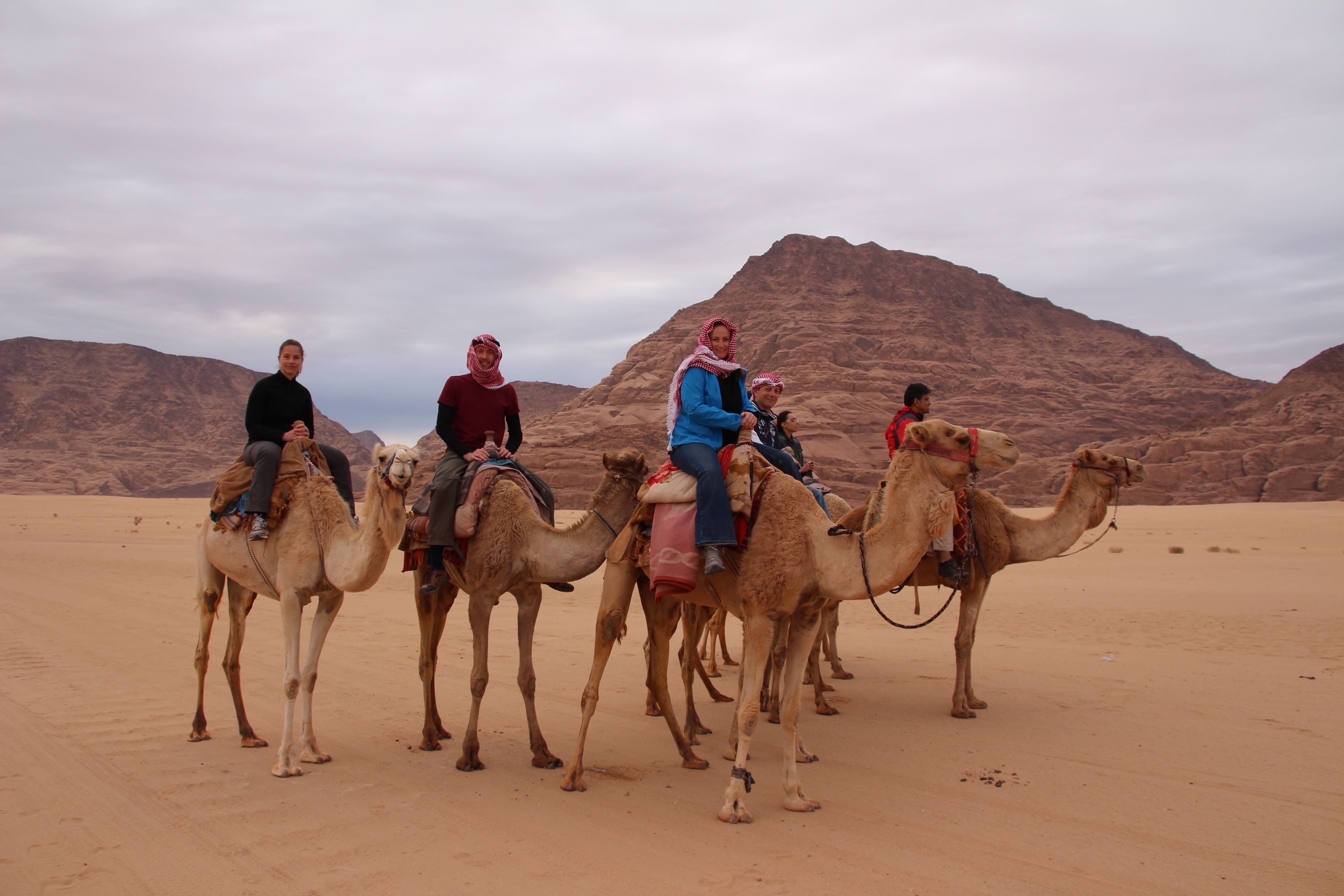
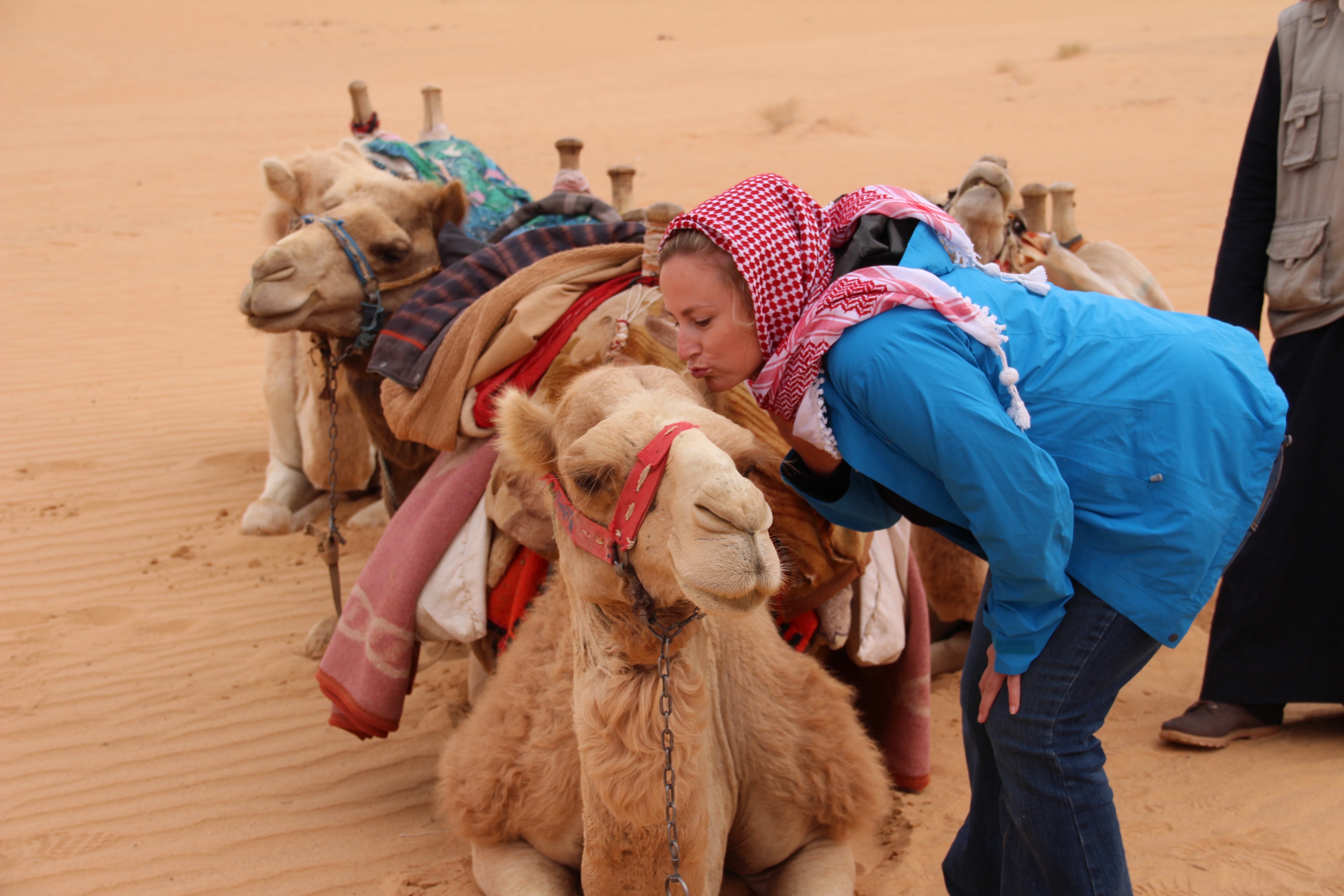
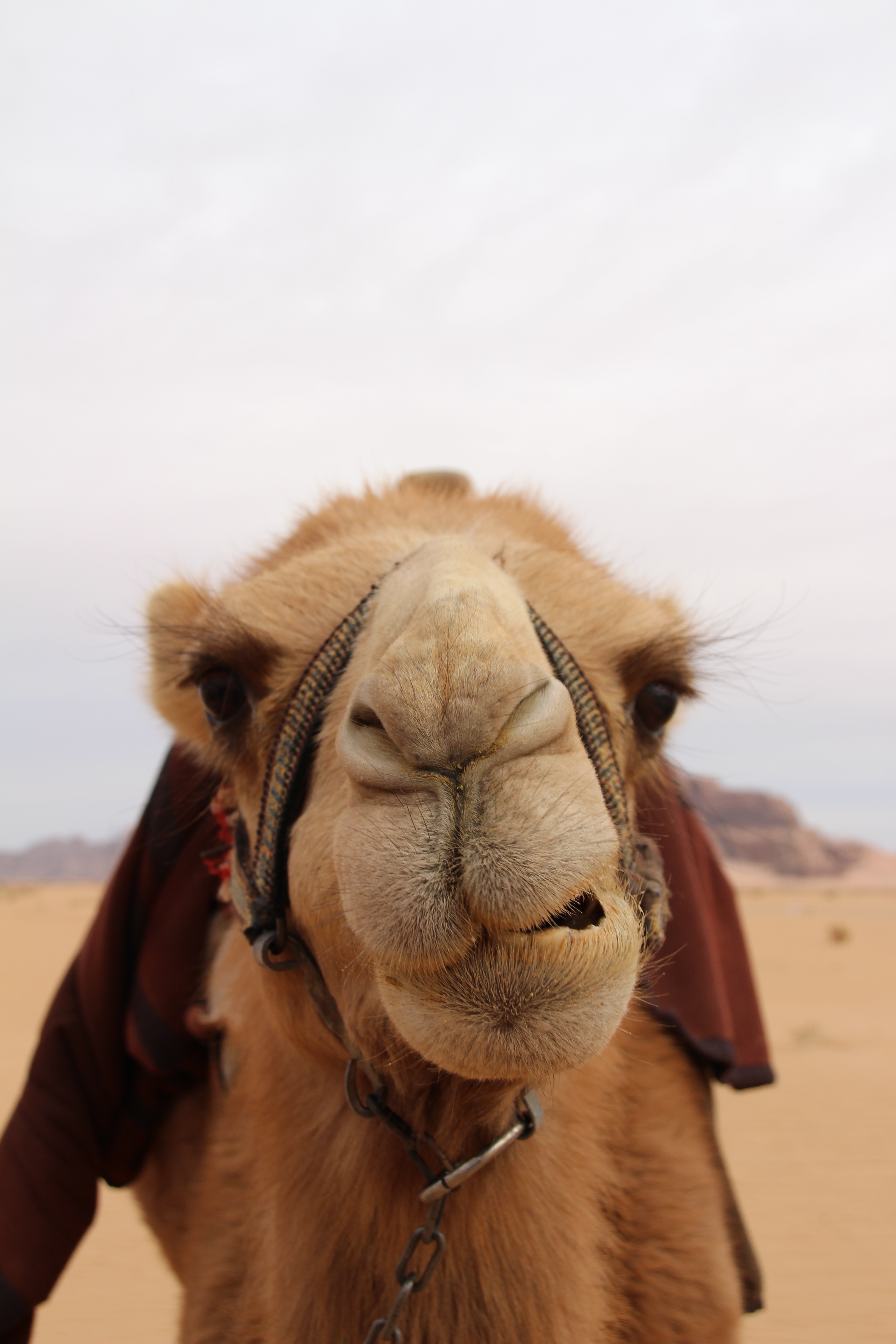
When our ride was over, we said our goodbyes and watched as our guide got on my camel and trotted off into the desert with 3 camels in tow and a dramatic landscape as a backdrop. We then had a simple breakfast at another Bedouin camp before starting our journey south to the seaside resort town of Aqaba.
It was a truly authentic experience that I hope to one day do again.



 Postcards From Britt
Leave a comment