This trip was the one that first took me out of my comfort zone and gave me a new passion for adventure travel.
When my friend Kaylah and I decided to go on a holiday together, my initial thoughts were somewhere relaxing and tropical. But Kaylah’s travel style was the complete opposite to mine. She is a super active woman who loves to be on the go. So when she suggested we do Intrepid Travels, Wild Sarawak tour through the jungles of Borneo, I was a little anxious at how I would handle this kind of active, off the beaten path adventure! To my surprise, I loved it so much that as soon as I returned home, I booked another trip. I had this new found desire to travel to destinations that offered adventure and unique experiences which actually led me to my new goal of travelling to every country in the world!
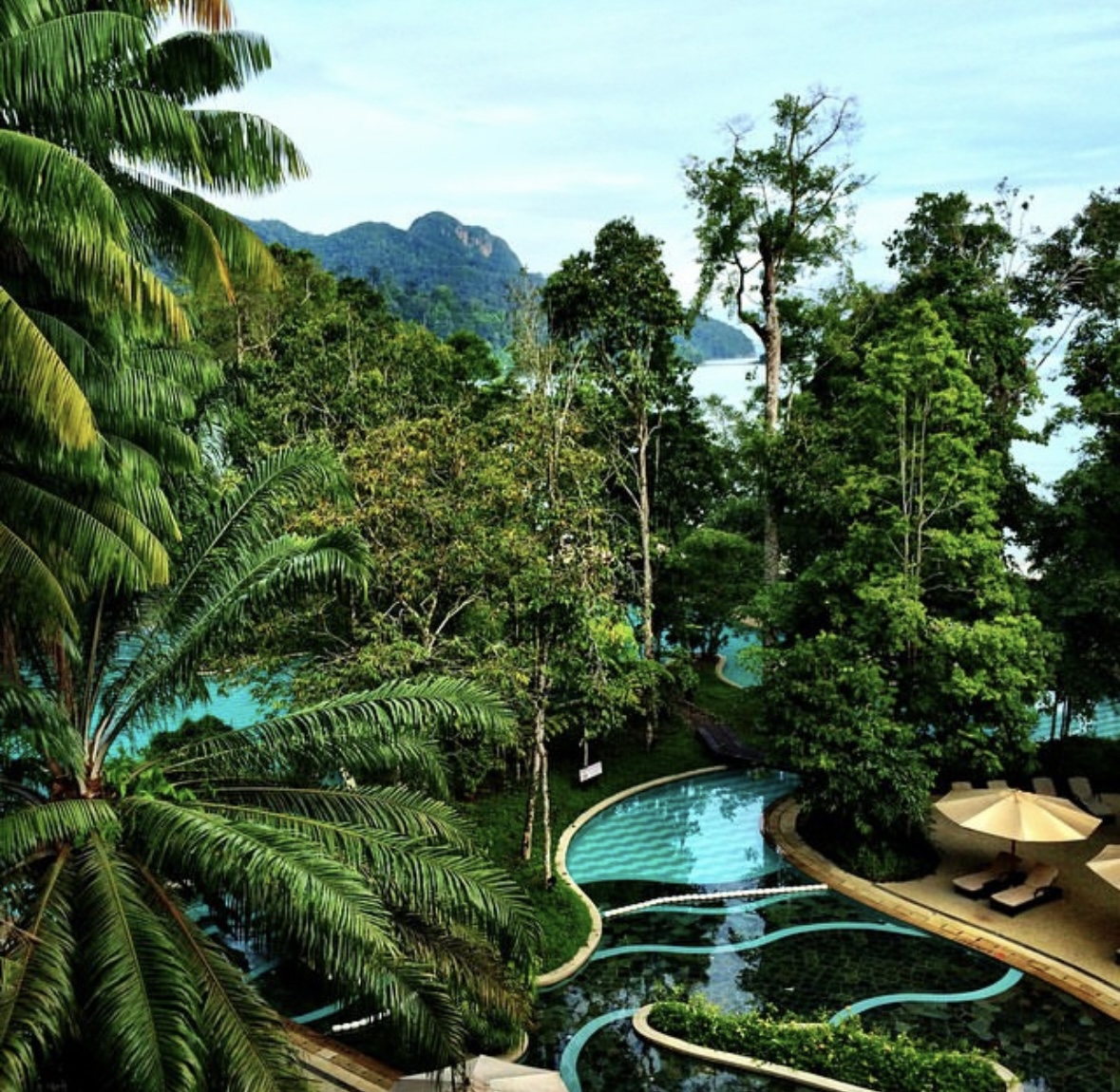
Before beginning our tour with Intrepid Travel, we spent 4 nights at The Andaman Resort in Langkawi soaking up the sun and relaxing before our big adventure was to start.
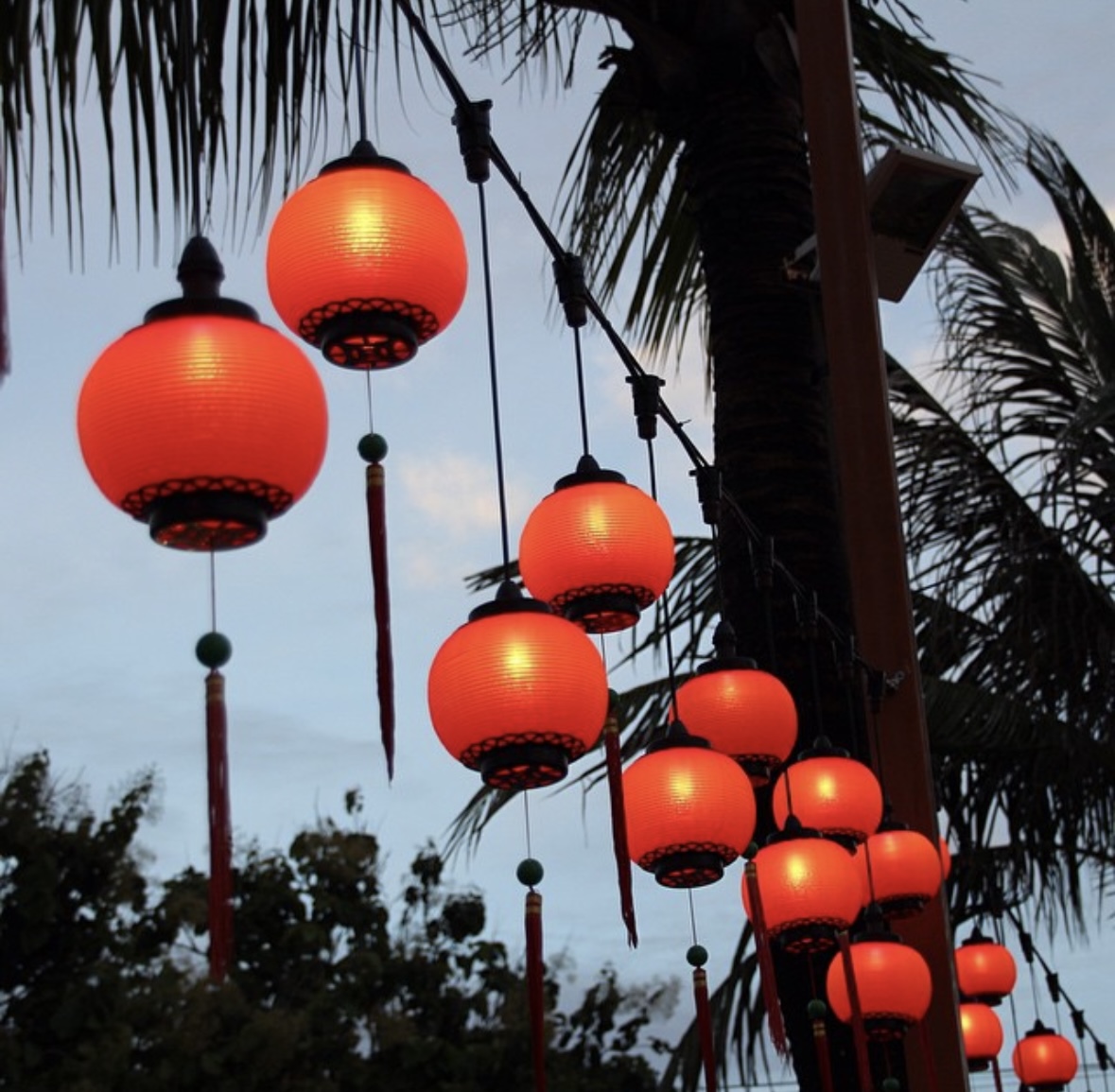
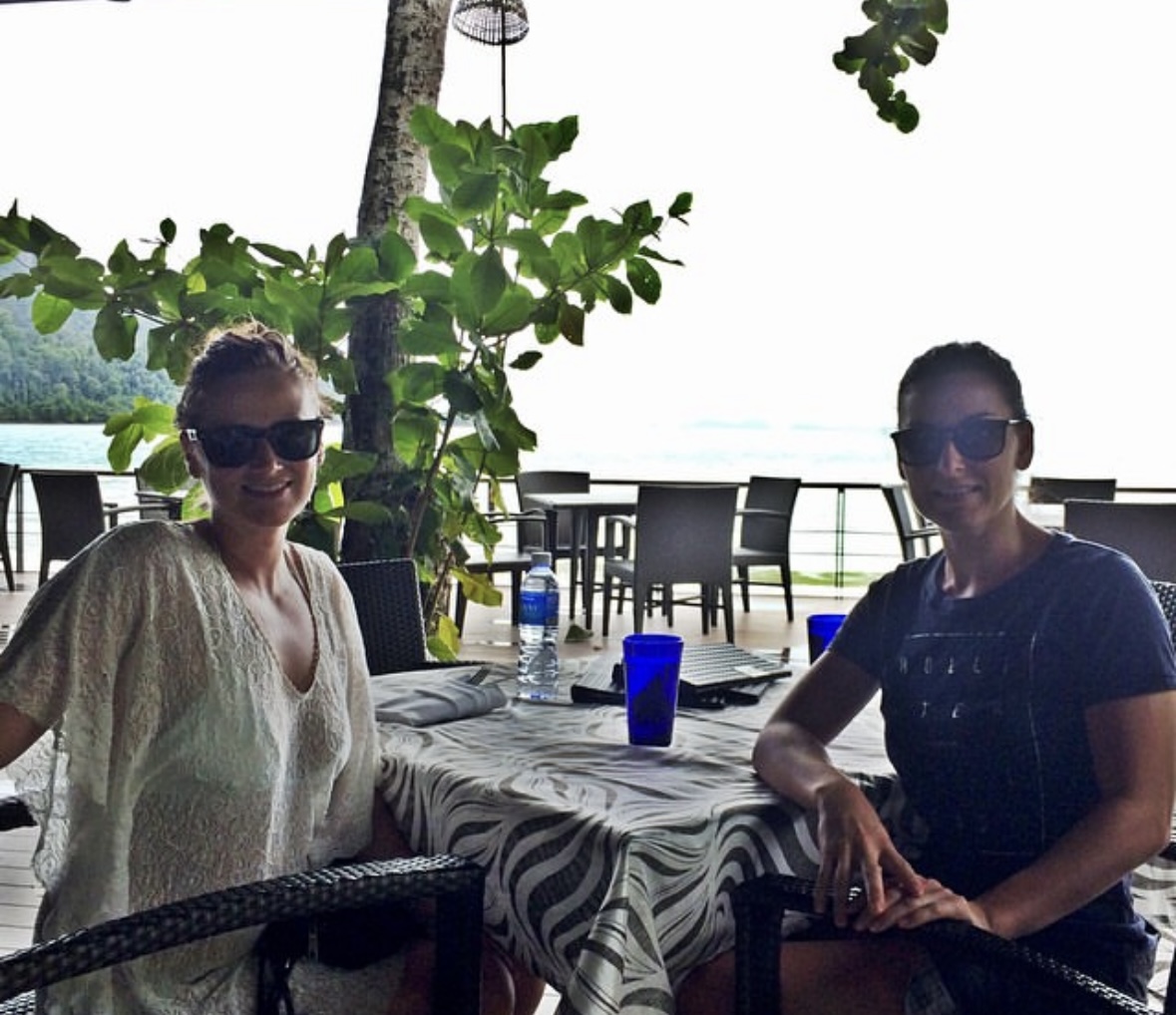
Intrepid Travel is an Australian company that designs tours that take you off the beaten track and immerses yourself in the local culture and customs. The Wild Sarawak adventure took us to the remote jungles of Borneo in Malaysia. We hiked through jungles, explored ancient caves and we even got to spend the night with a local family in an Iban longhouse.
Sadly, I lost all my photos from the start of this trip but the memories will last a lifetime.
Day 1: Kuching
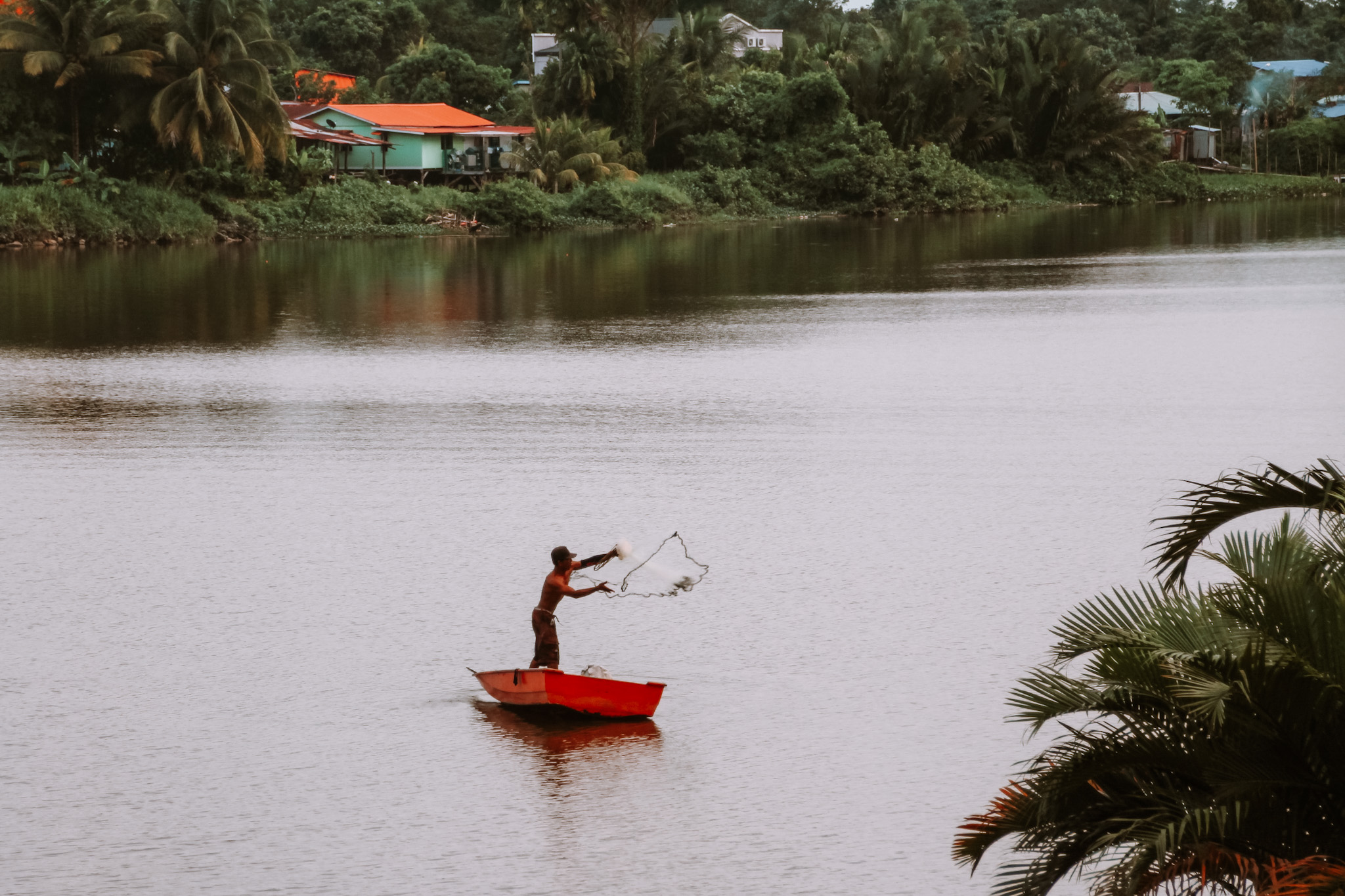
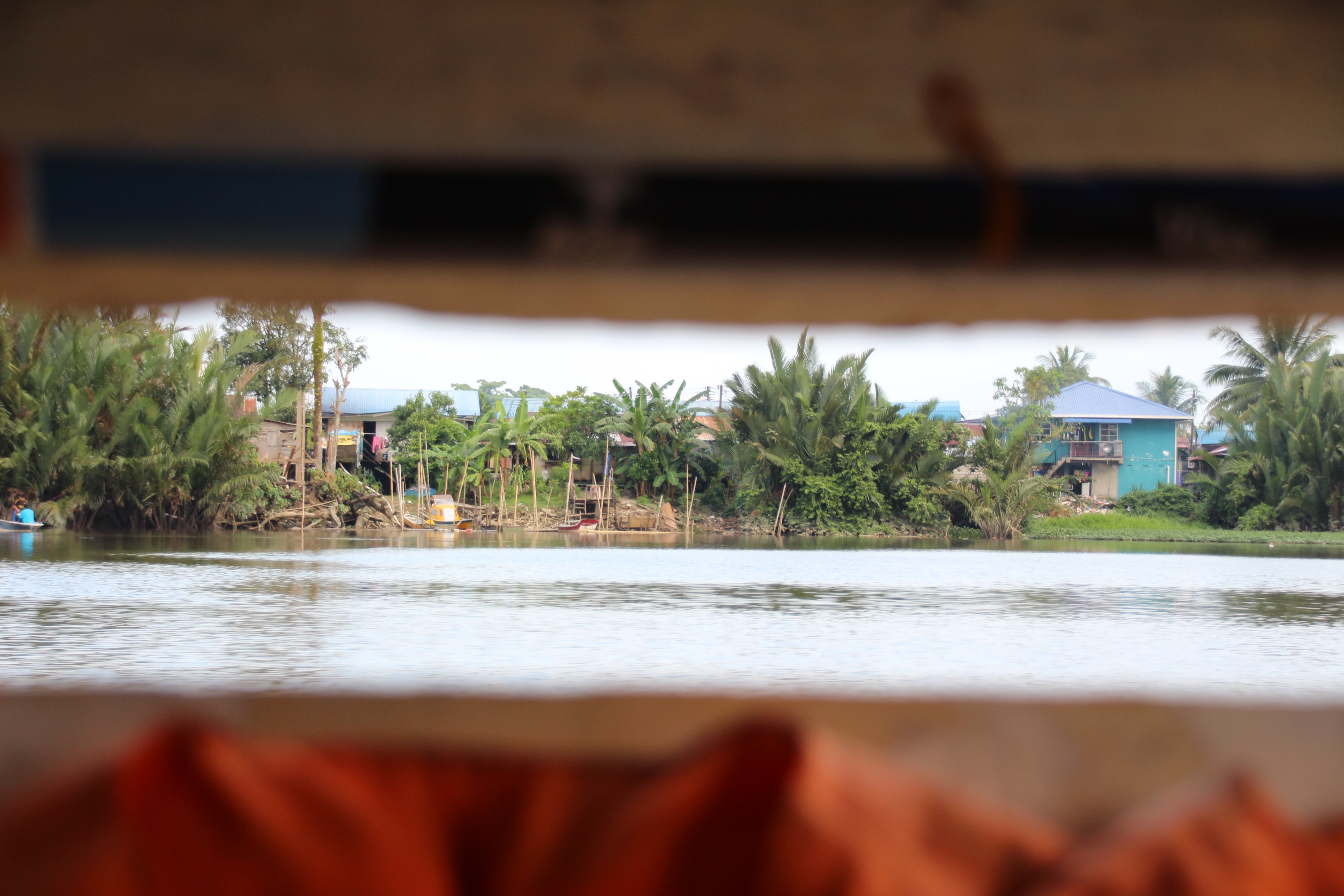
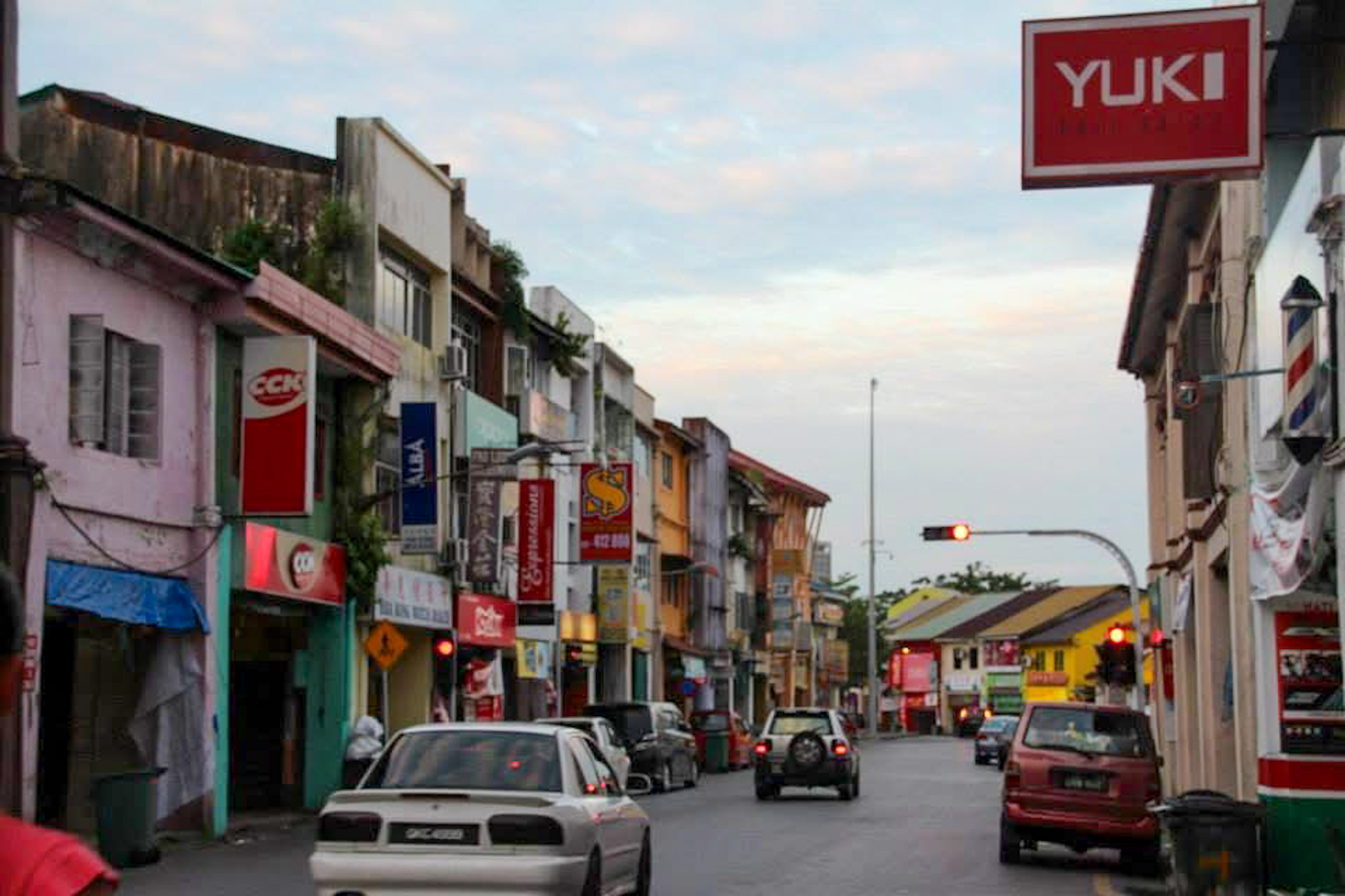
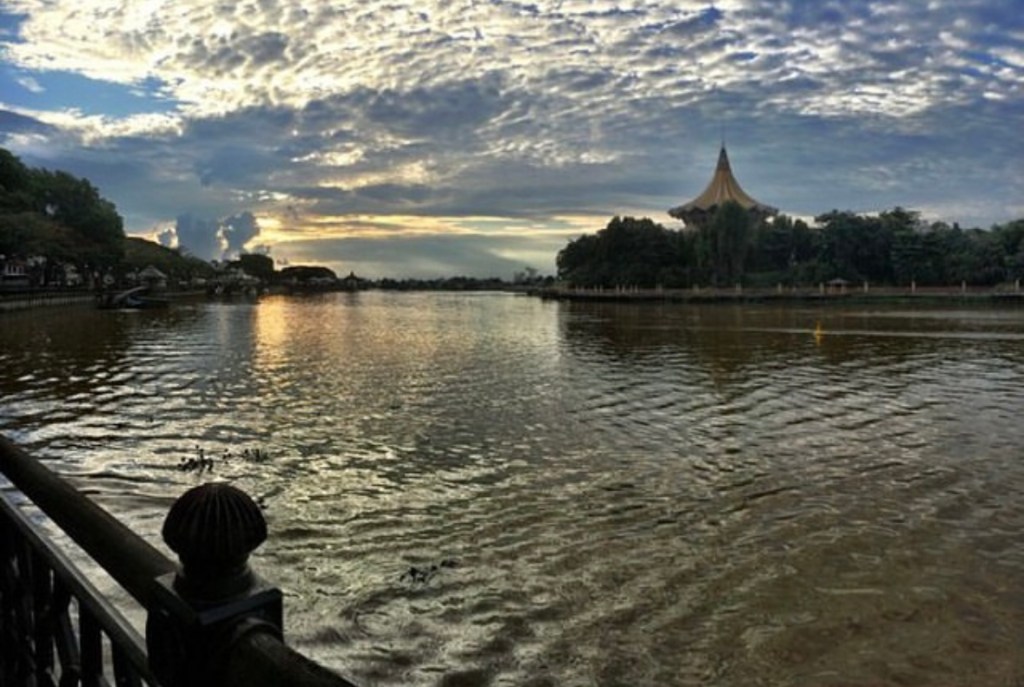
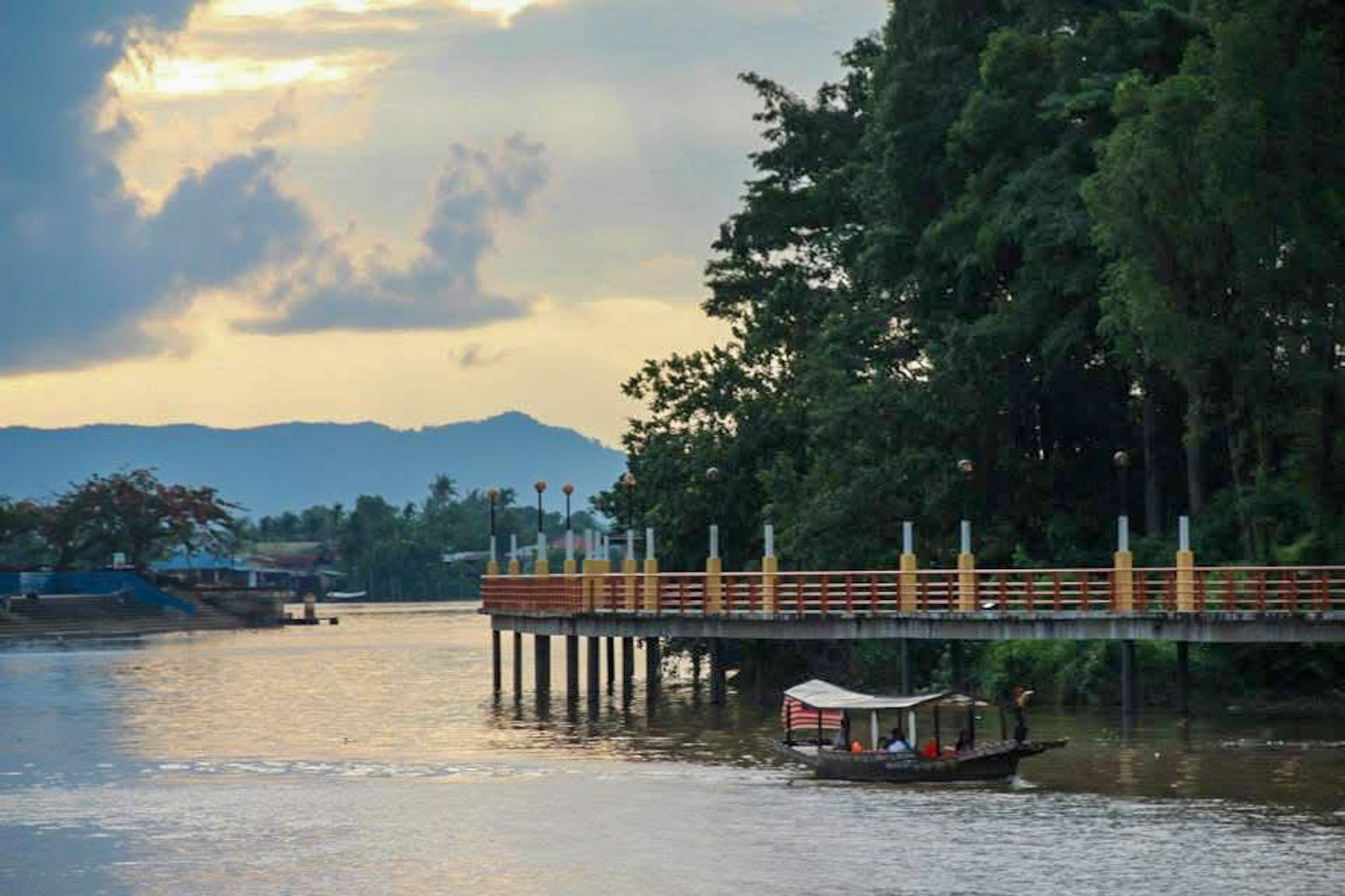
Our first morning in Kuching was spent exploring the area. We walked down to the waterfront and took in the sights. We watched as traditional wooden boats, known as Tambang ferries, passby prominent buildings,one of the most beautiful being the New Sarawak State Legislative Assembly Building. On the way back to the hotel we came across a KFC, that only employed staff who were deaf. I know KFC isn’t a traditional Malay dish, however I just had to go in and support this cause. The walls were covered in the sign language alphabet and it was really easy to communicate with the staff. We also noticed that there were a lot of cat statues around the city, which we later learnt that Kuching is known as the Cat City. This nickname was given to the city because the Malay word Kucing means cat.
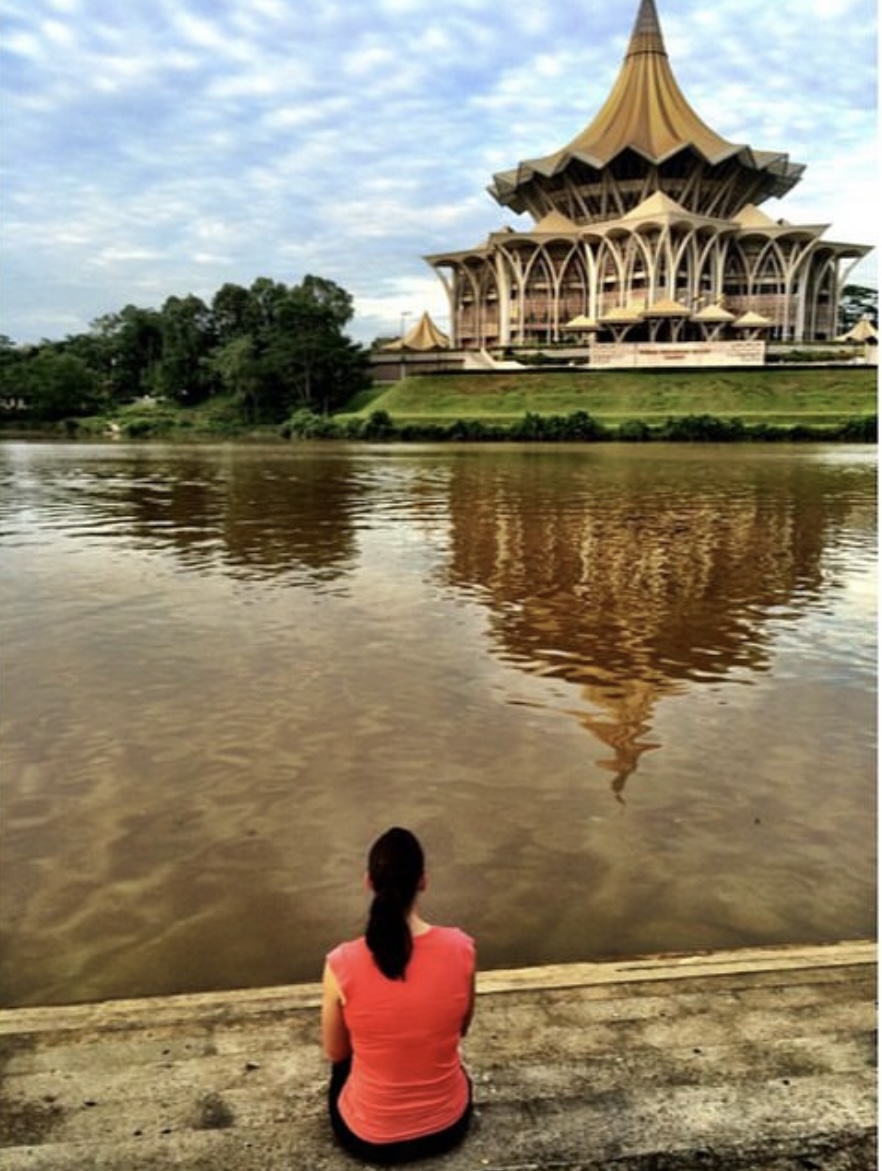
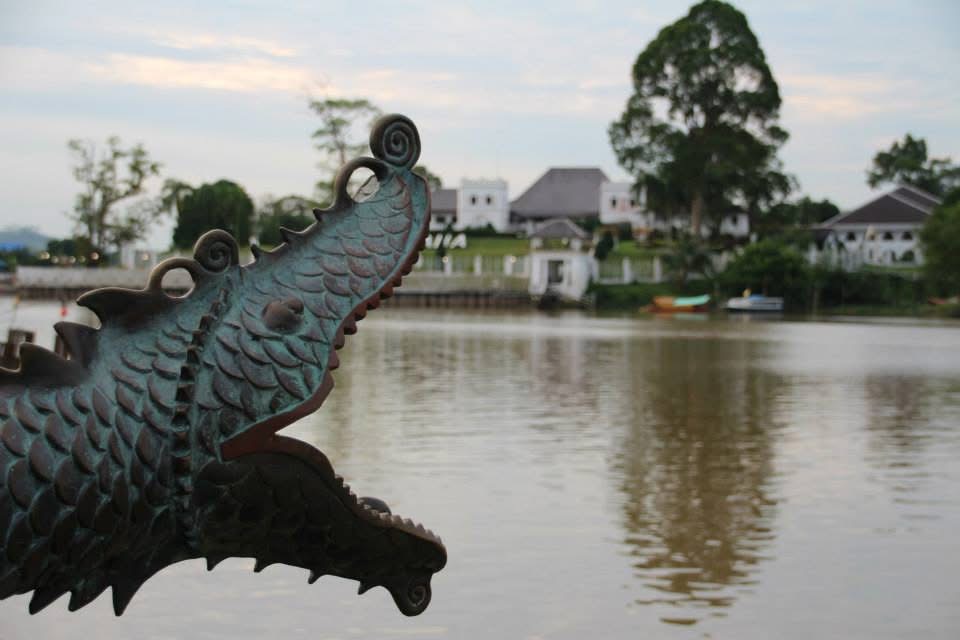
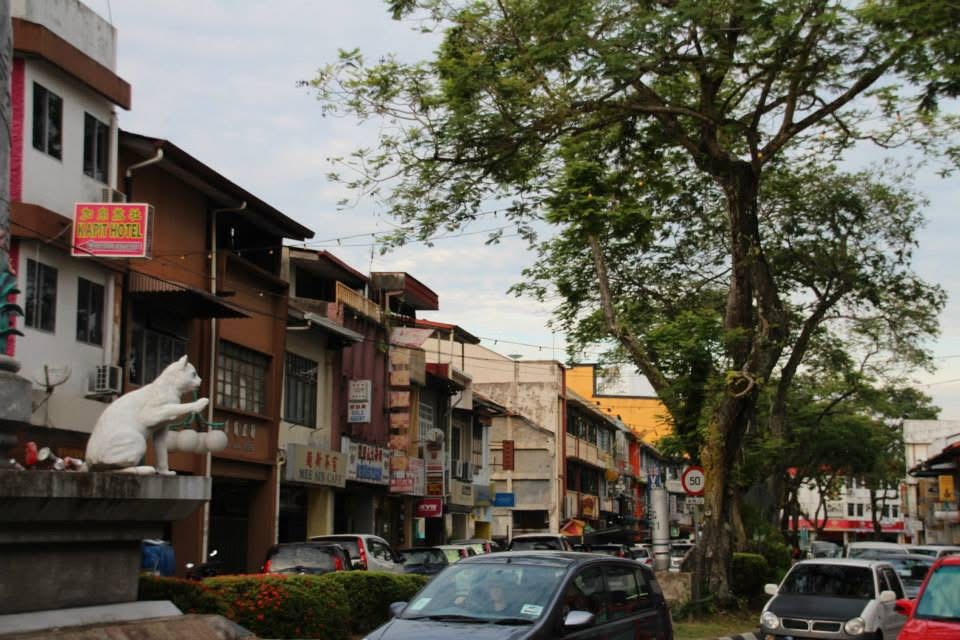
Before our tour officially began, we spent the afternoon at the Sarawak Cultural Village, where we learnt about the different cultures and lifestyles of the various ethnic groups in Sarawak. This was a great tour to begin our trip in Borneo as it gave us a brief insight into the culture and traditions of the different ethnic groups. There are replica buildings set up around the village with staff dressed in their traditional costume demonstrating traditional activities like weaving, beadwork, wood carving and blowpipe demonstrations. To finish off the tour we enjoyed a cultural dance performance.
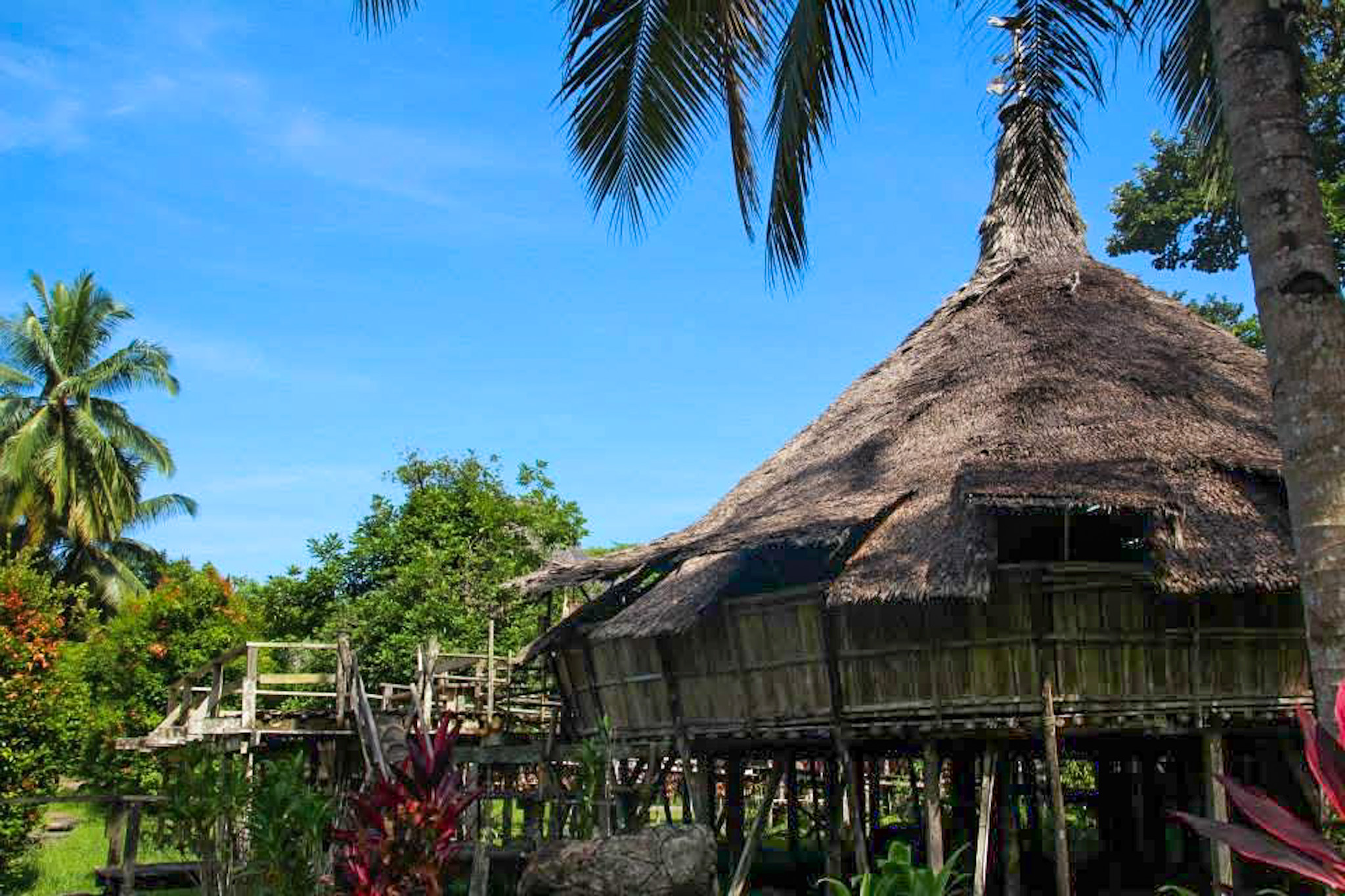
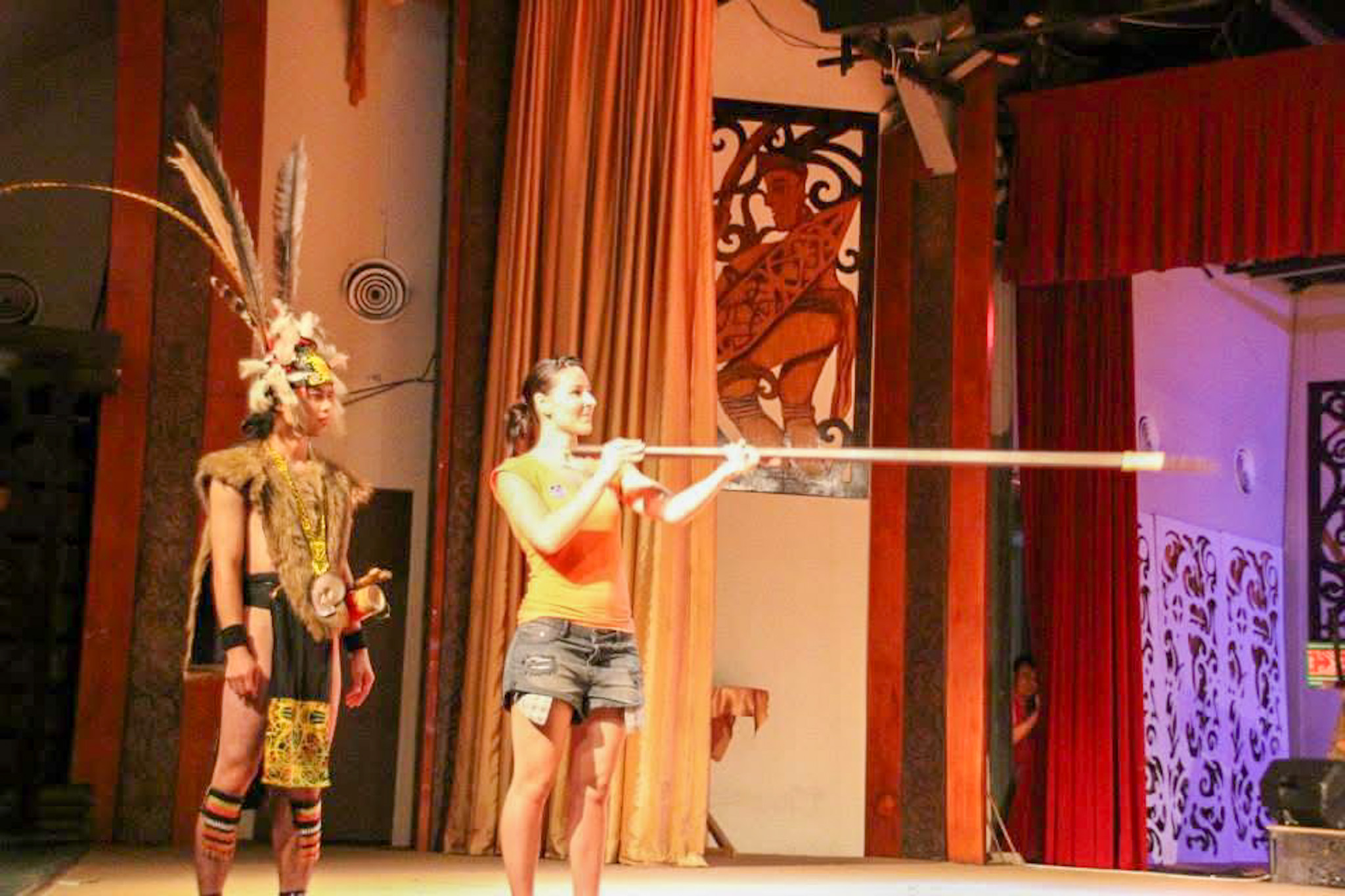
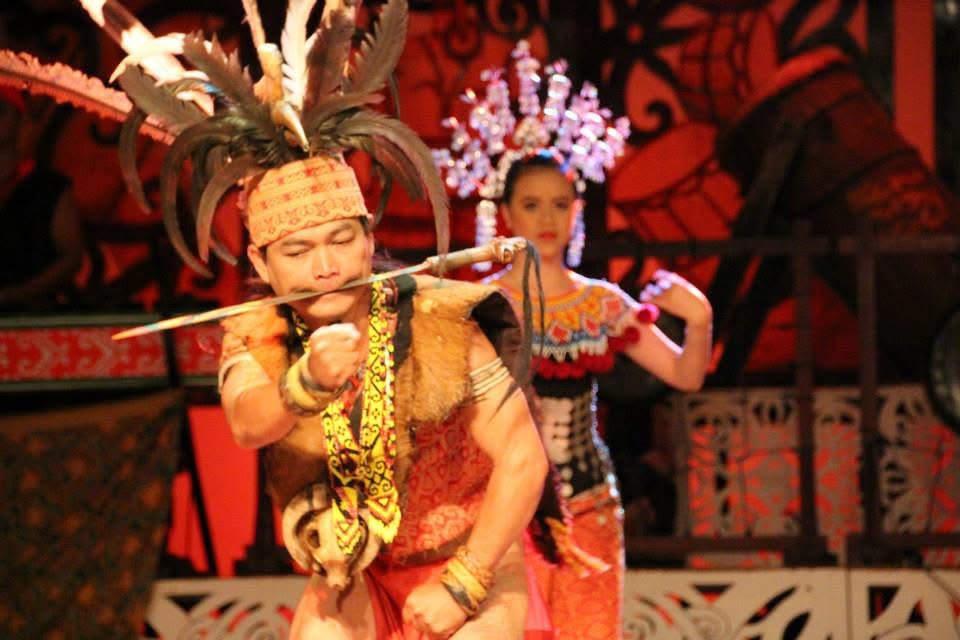
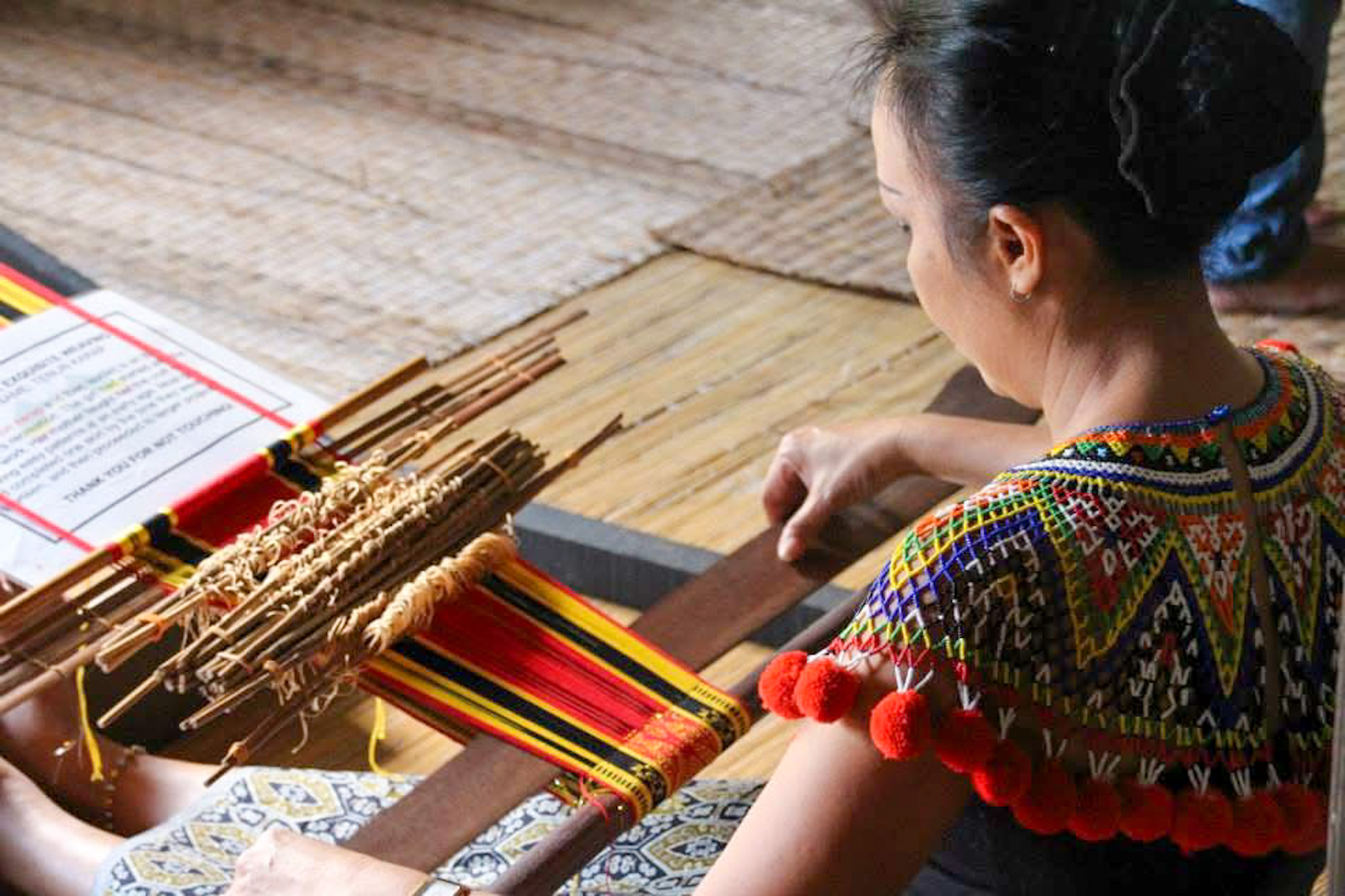
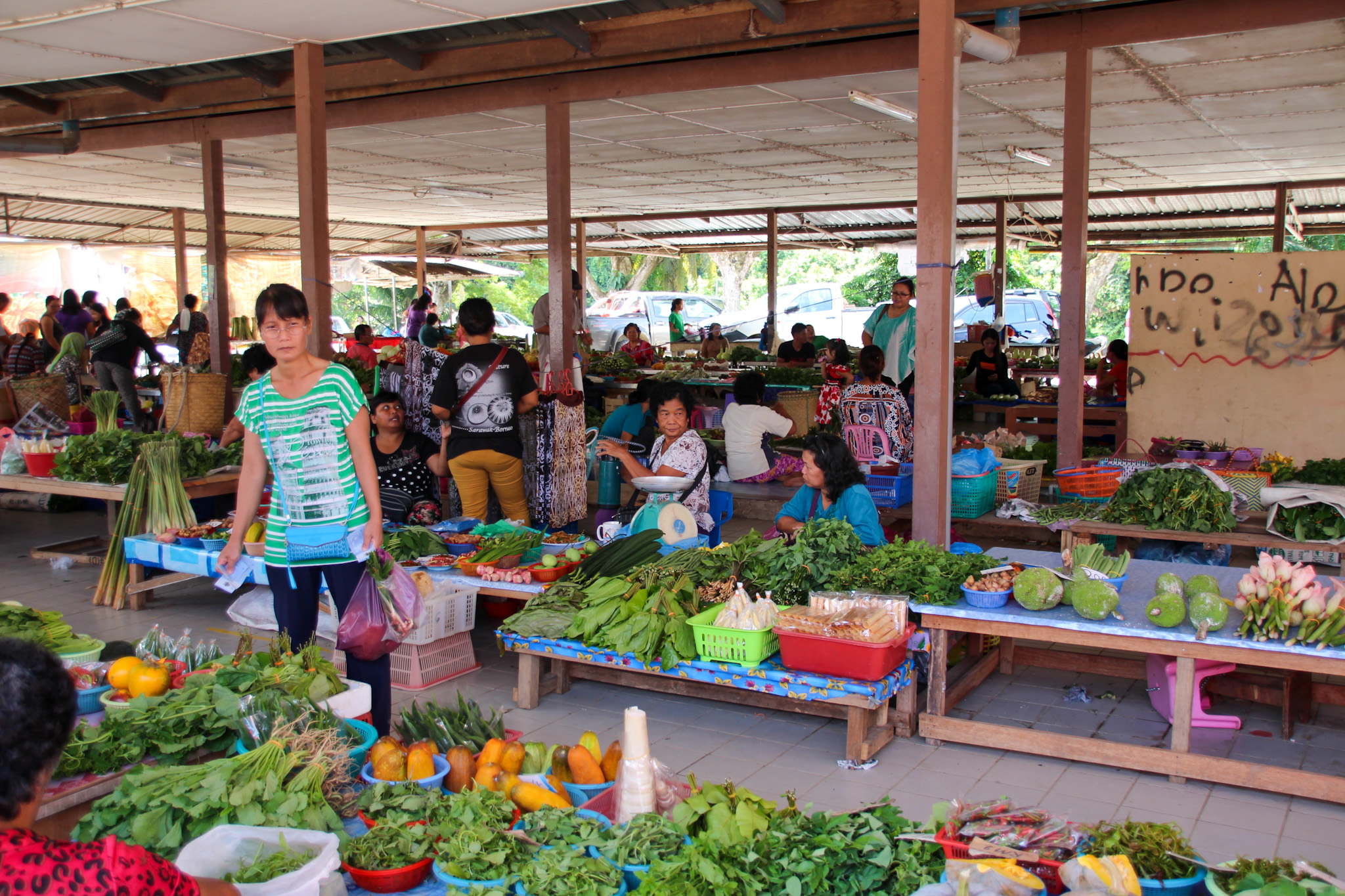
Later that evening, after our tour meeting, we all went out for dinner at the night markets and enjoyed some local dishes.
Day 2: Bako National Park
This morning we took a boat ride from Kampung Bako to Bako National Park. This park is the oldest national park in Sarawak and has an abundance of wildlife and diverse plant life. We had to pack a nights worth of clothes into a small backpack as we were going to be spending the night amongst the cheeky Macaques.
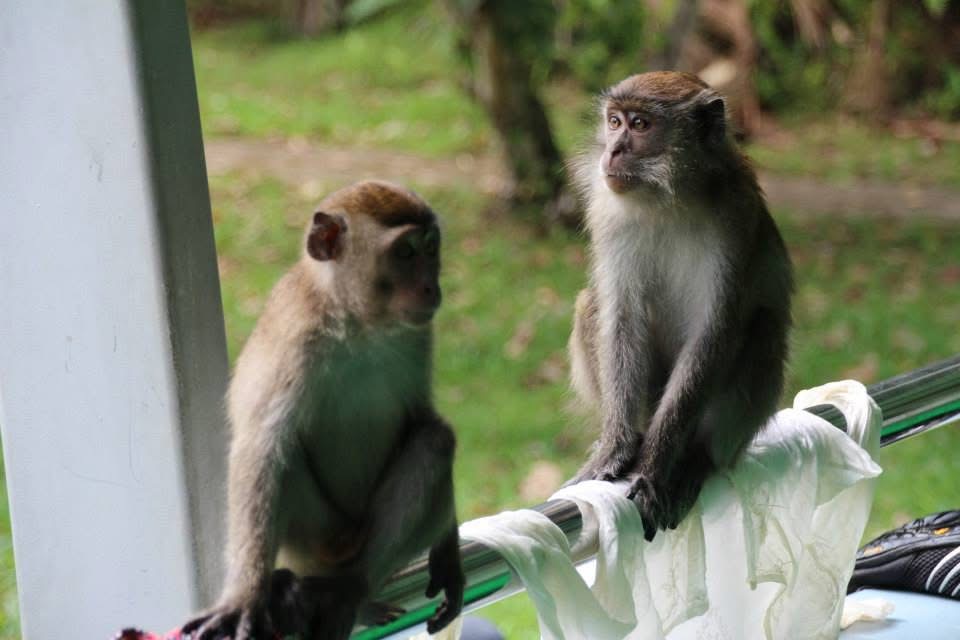
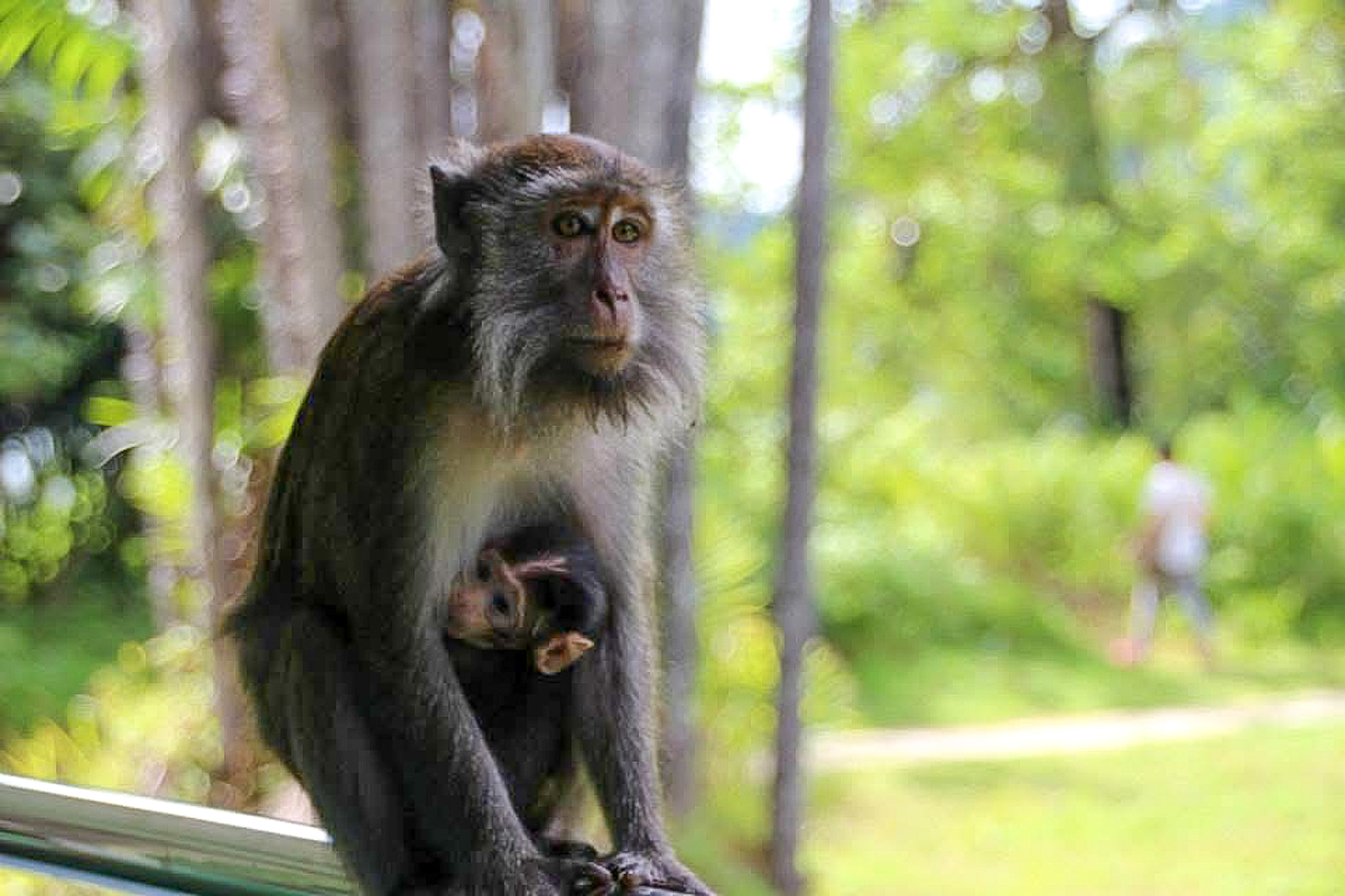
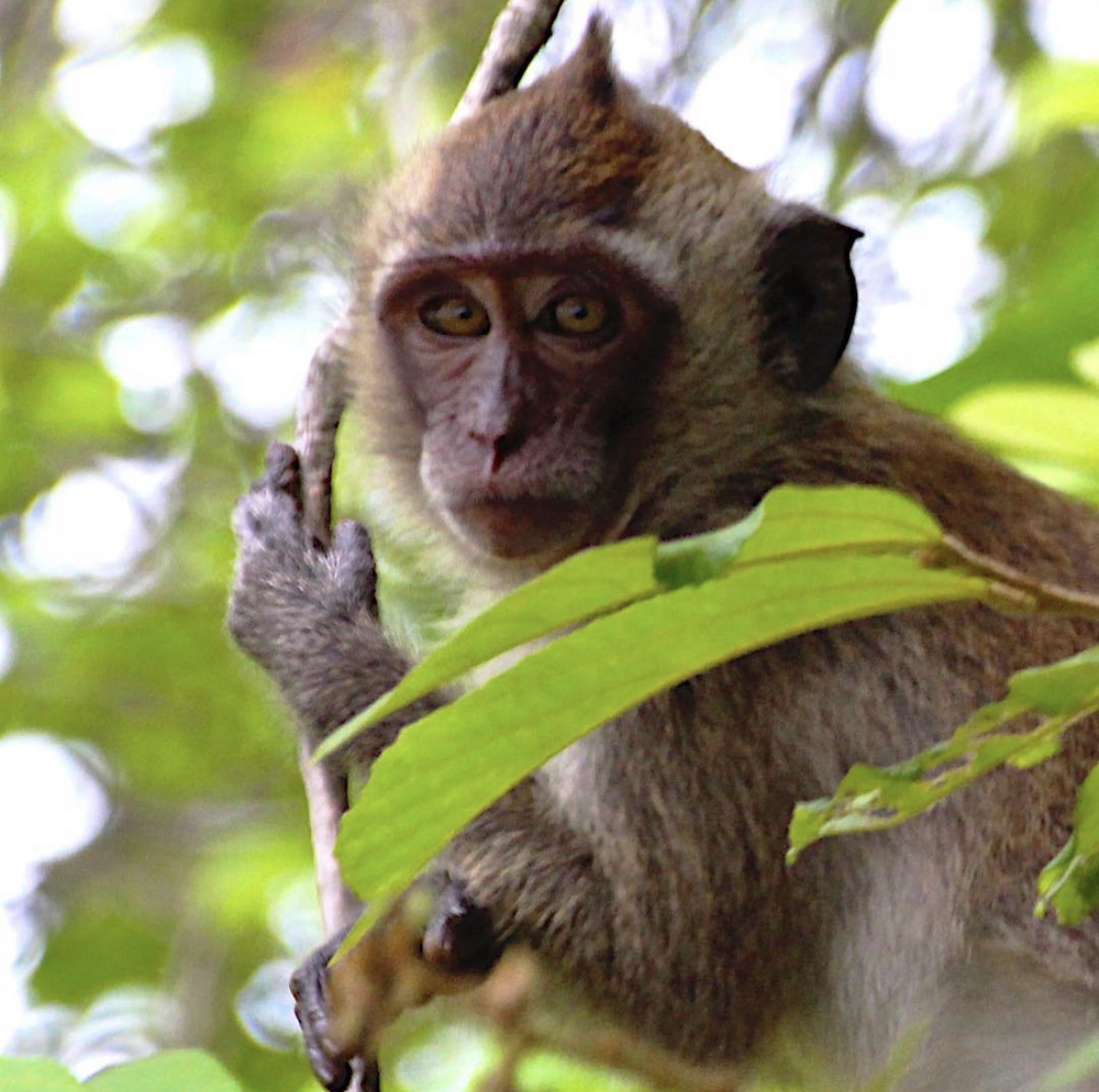
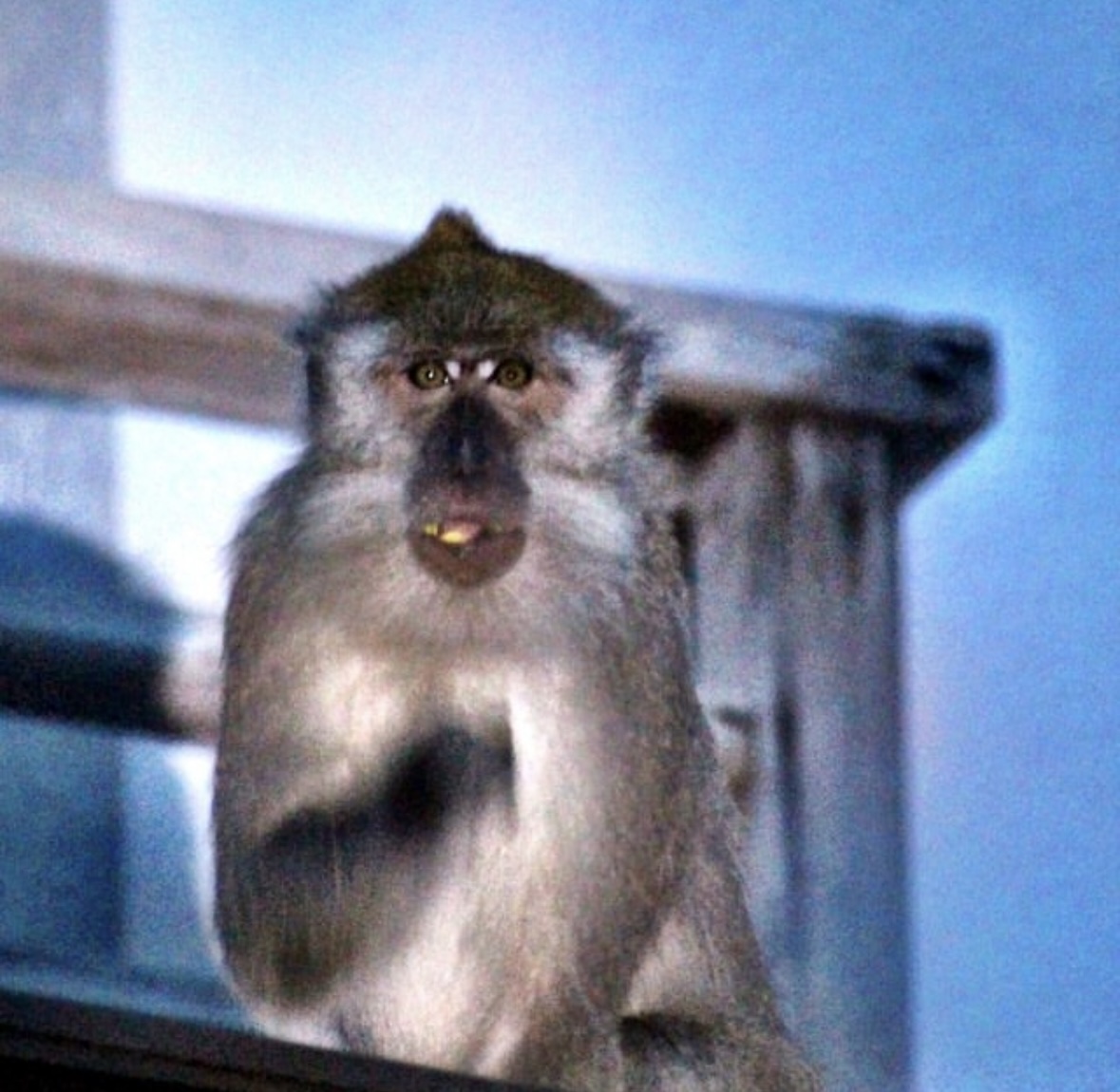
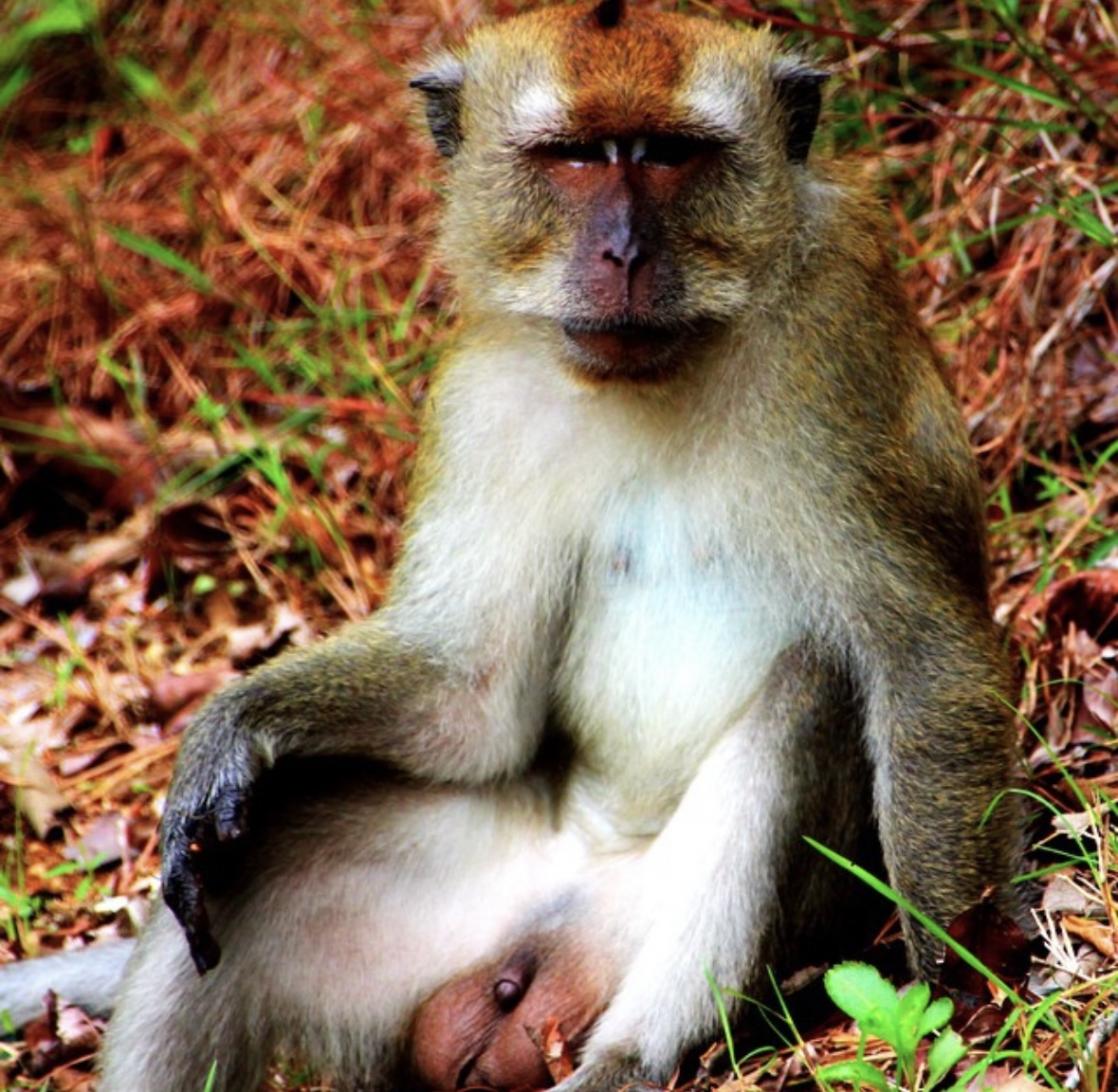
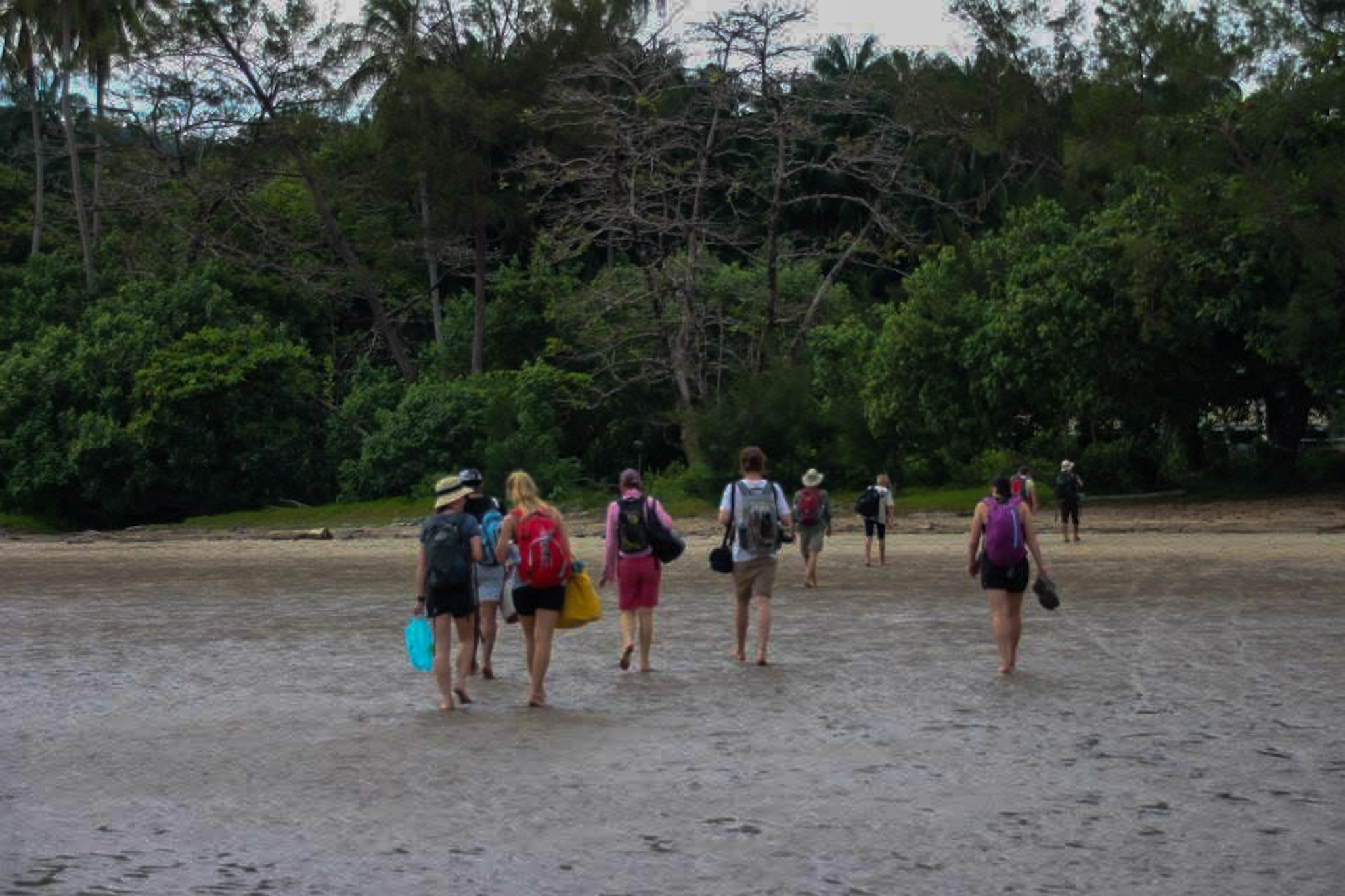
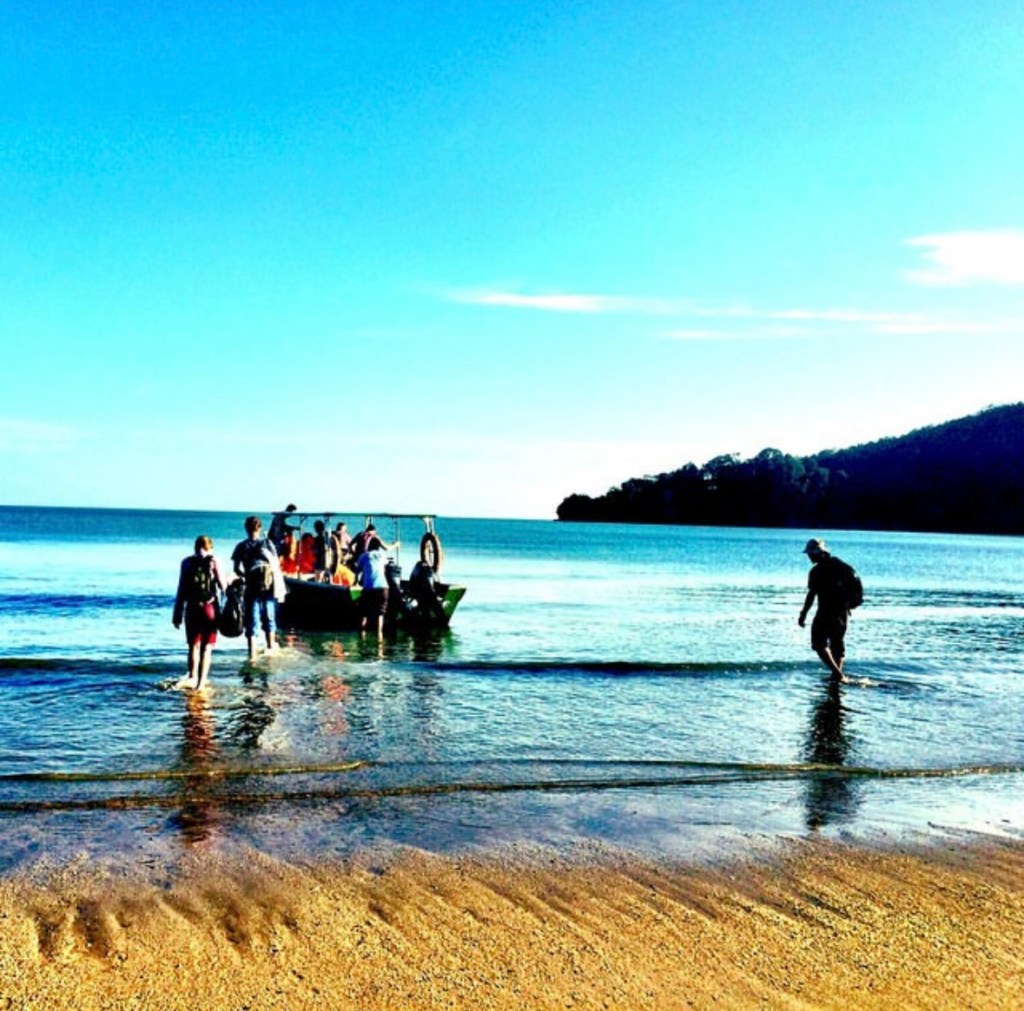
The boat dropped us off in the shallows of the water and we had to wade ourselves to shore. Our shared accommodation was basic but doable. We stayed at the Forest Lodge Terrace and the macaques were relentless! We were enjoying a cold drink on the balcony when a monkey came straight up to us, with no fear, and took a fellow travellers can of soft drink, right out from under her. Then knocked it back right there in front of us! We learnt very quickly not to trust these cheeky monkeys and keep the doors locked!
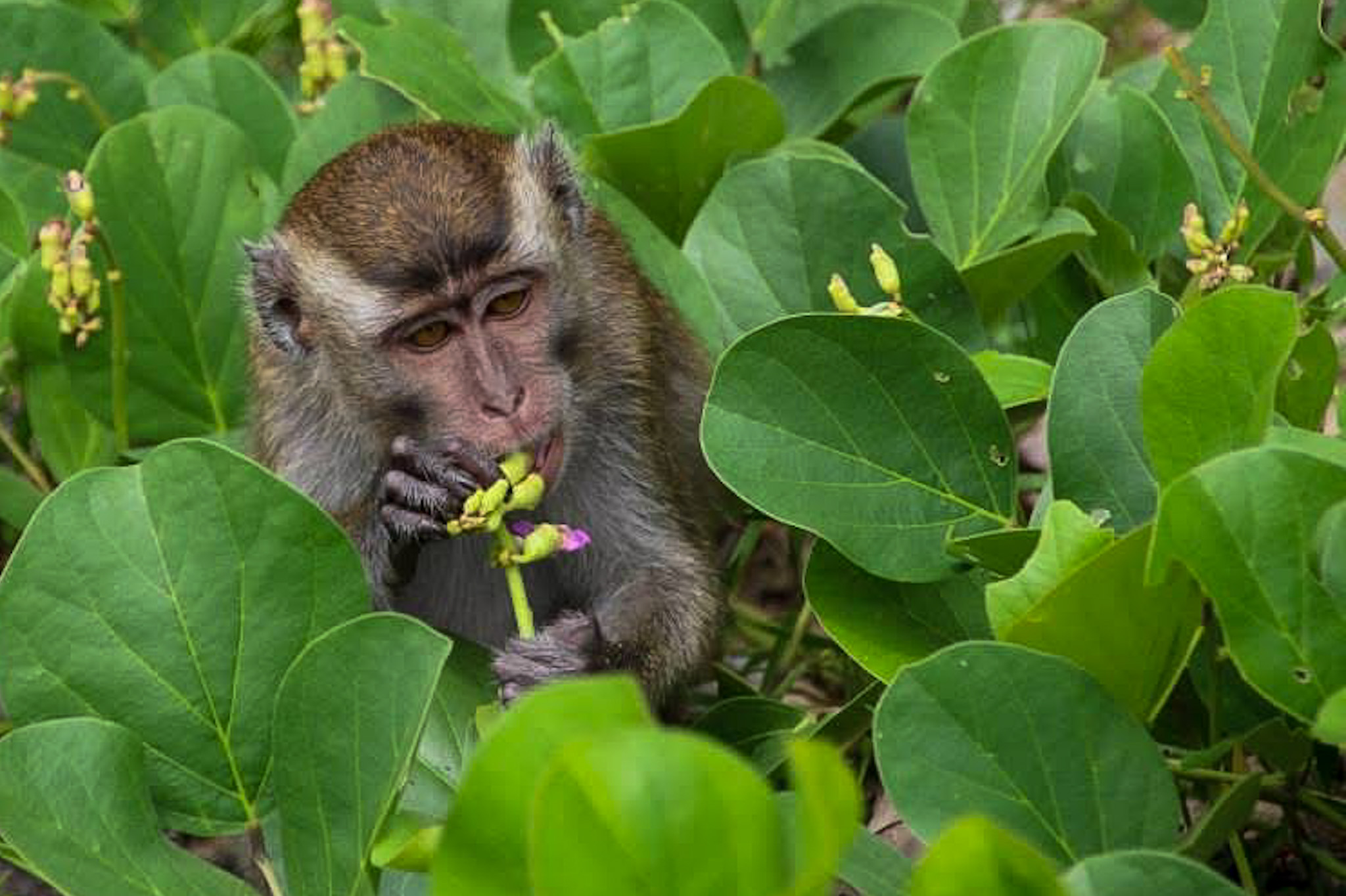
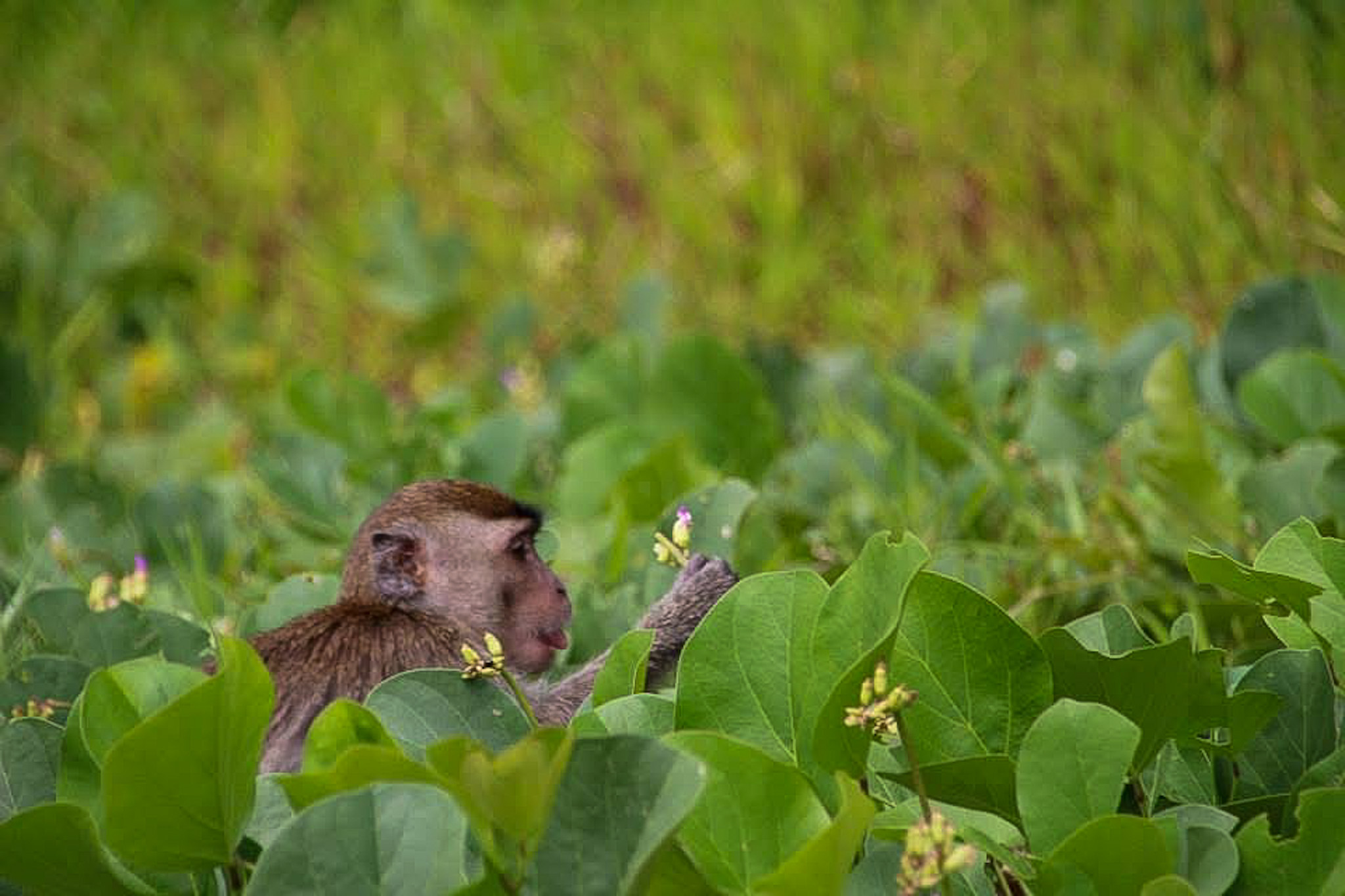
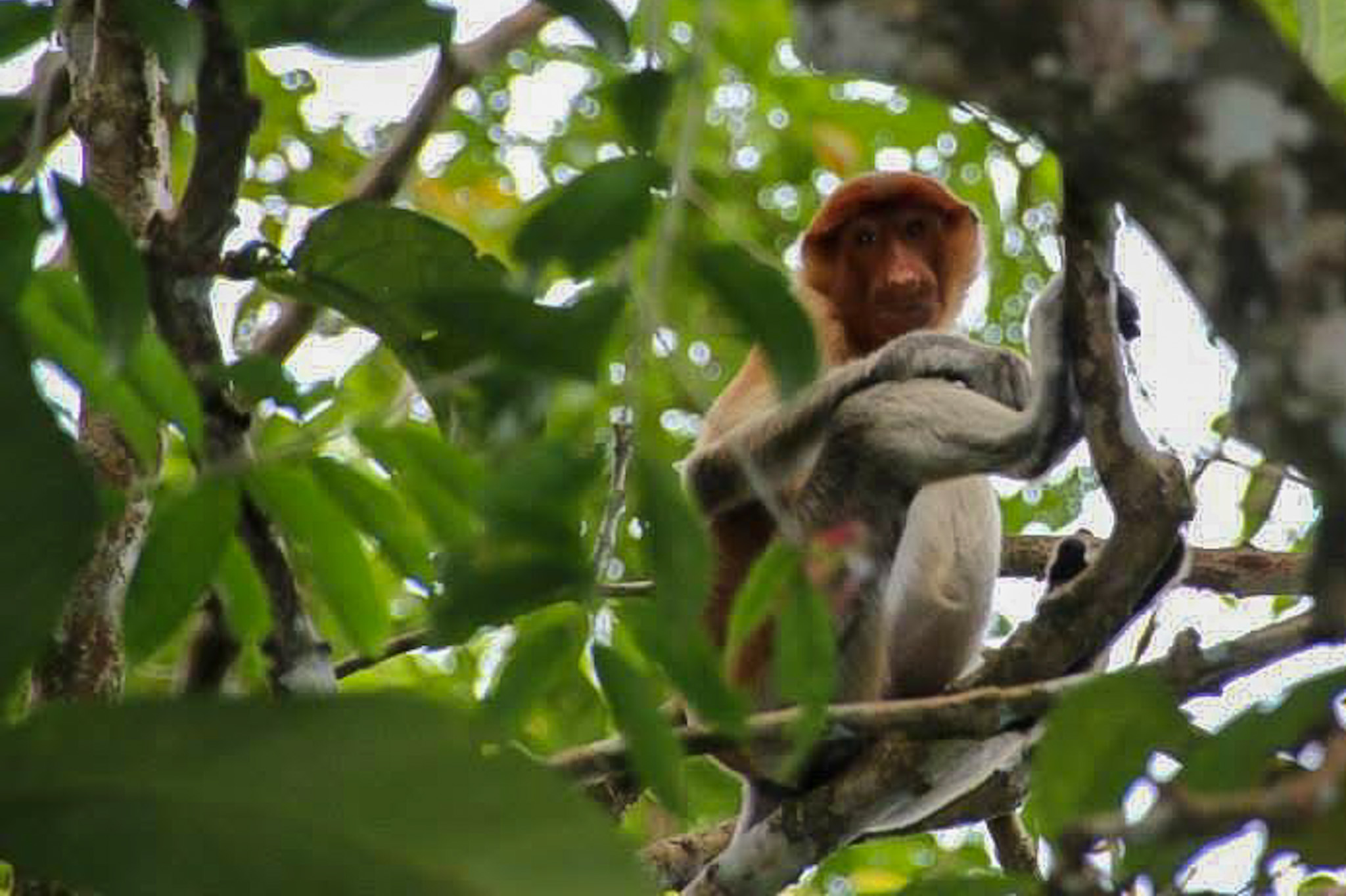
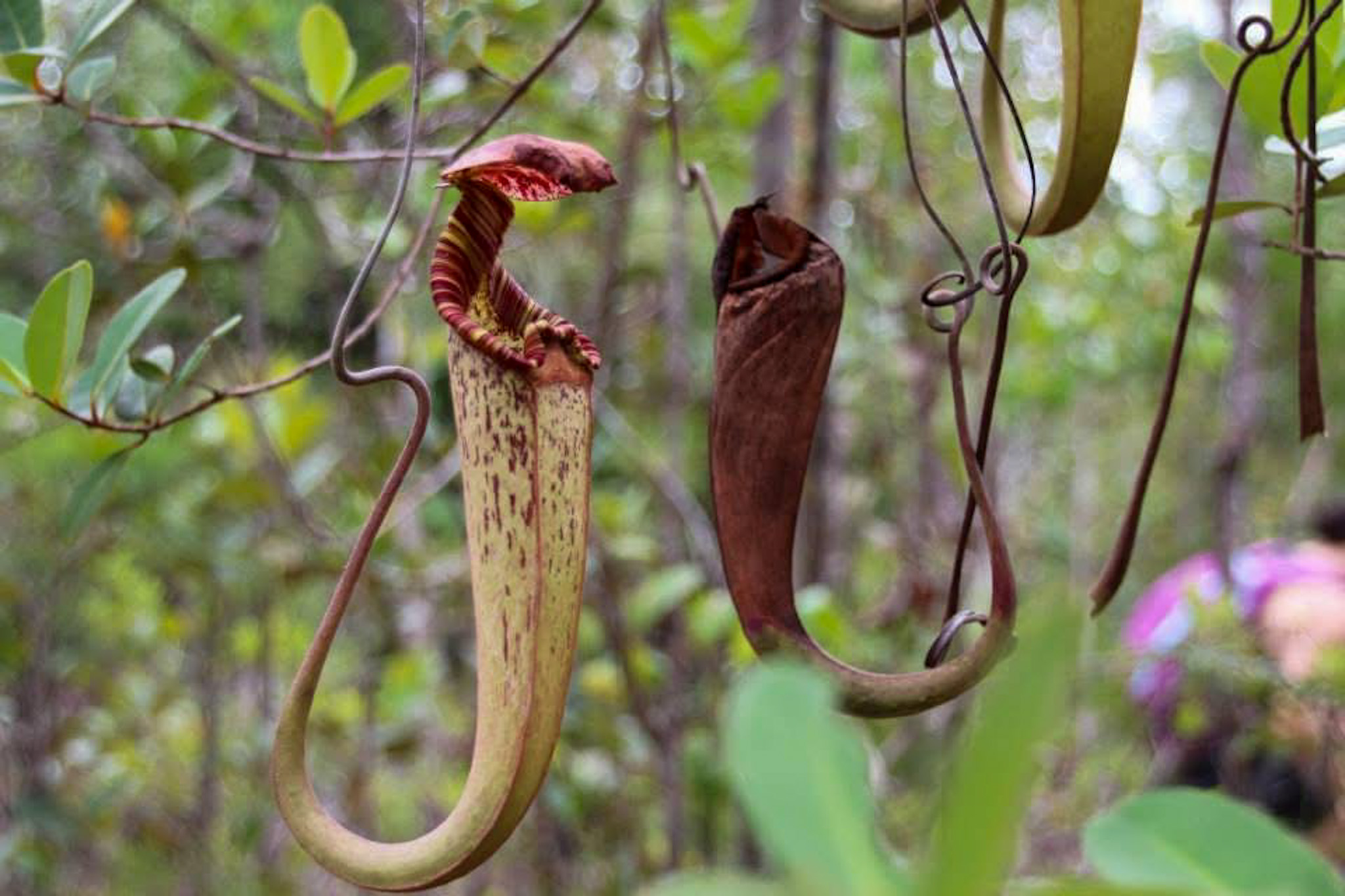
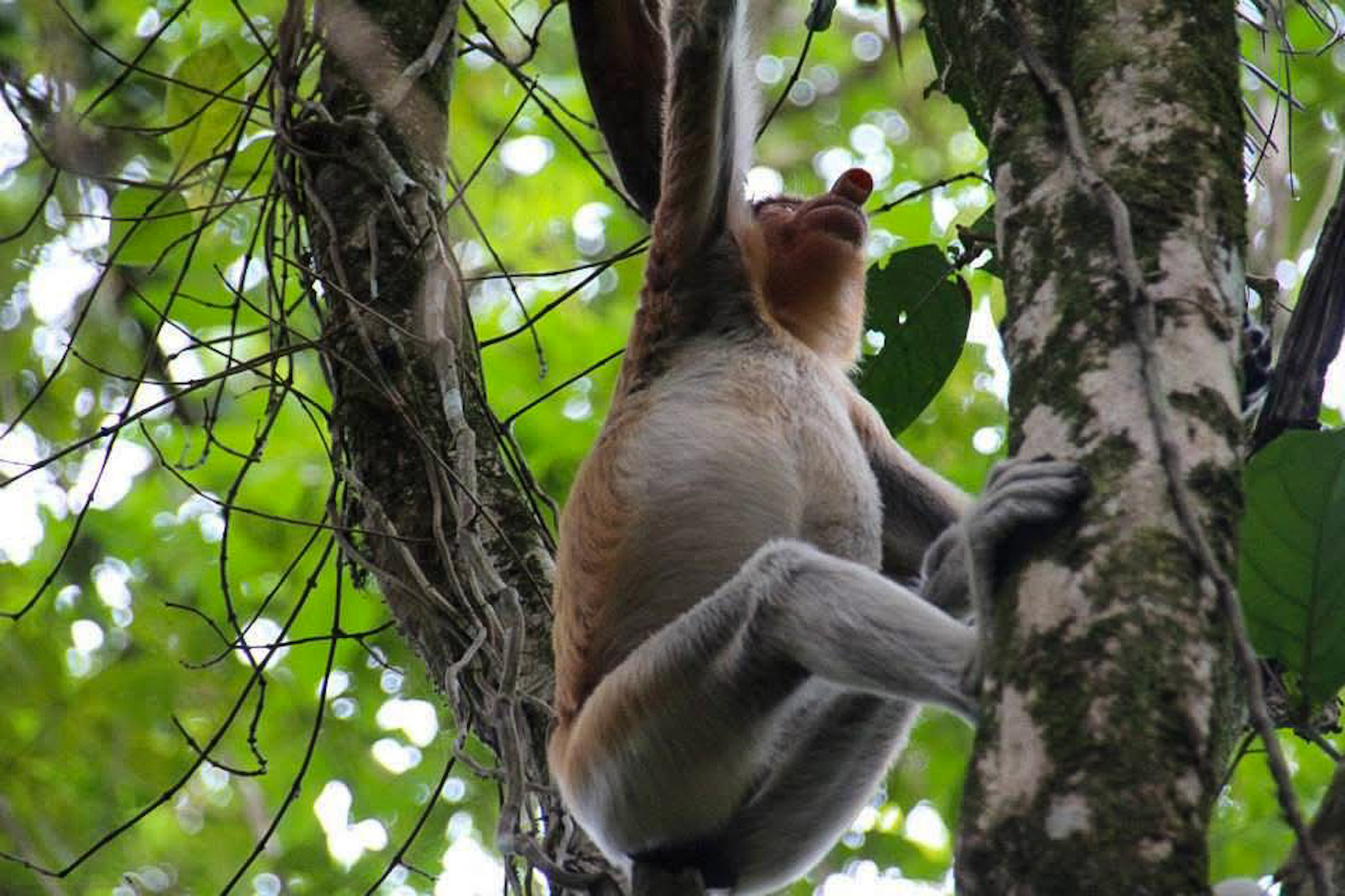
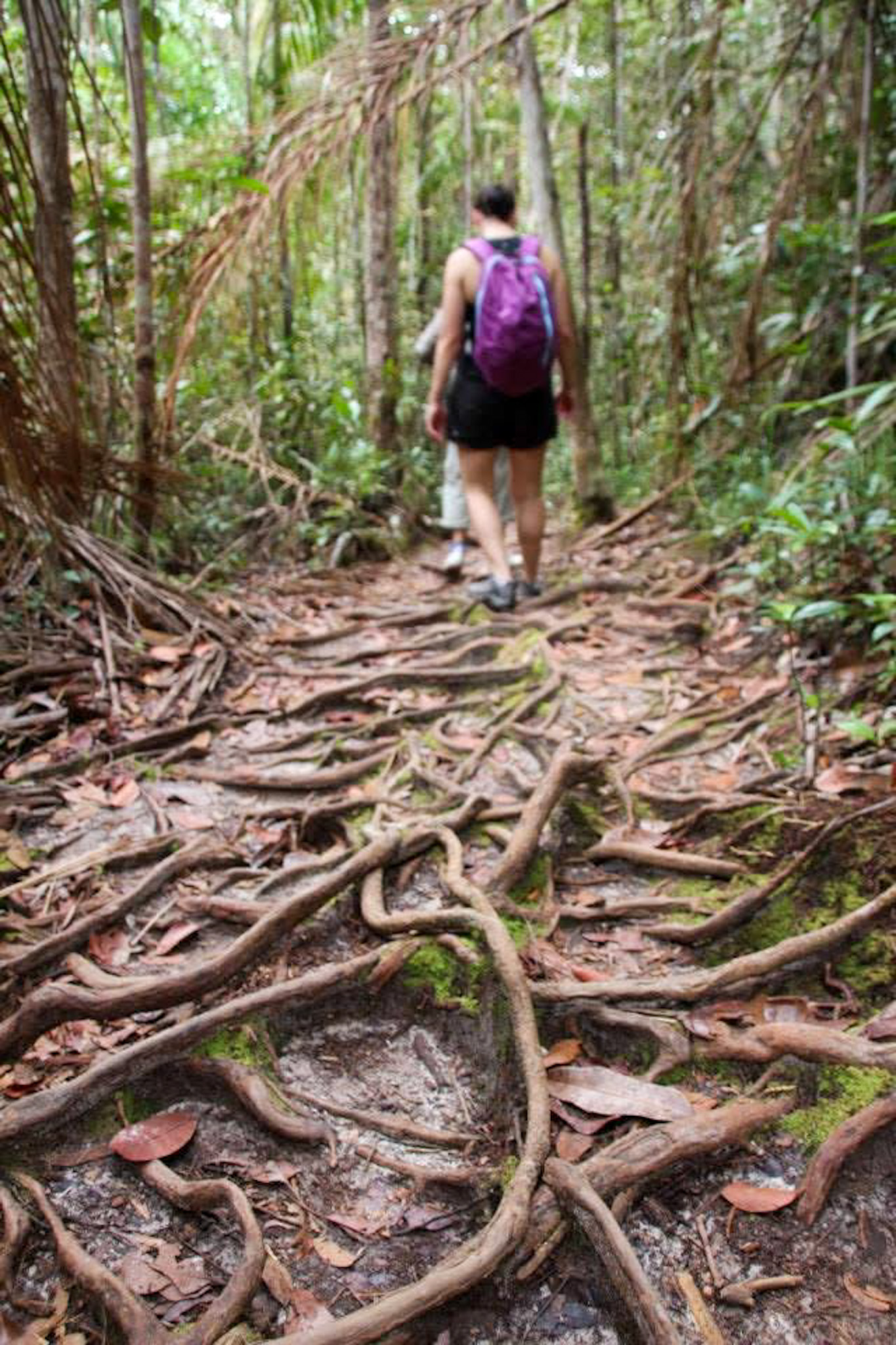
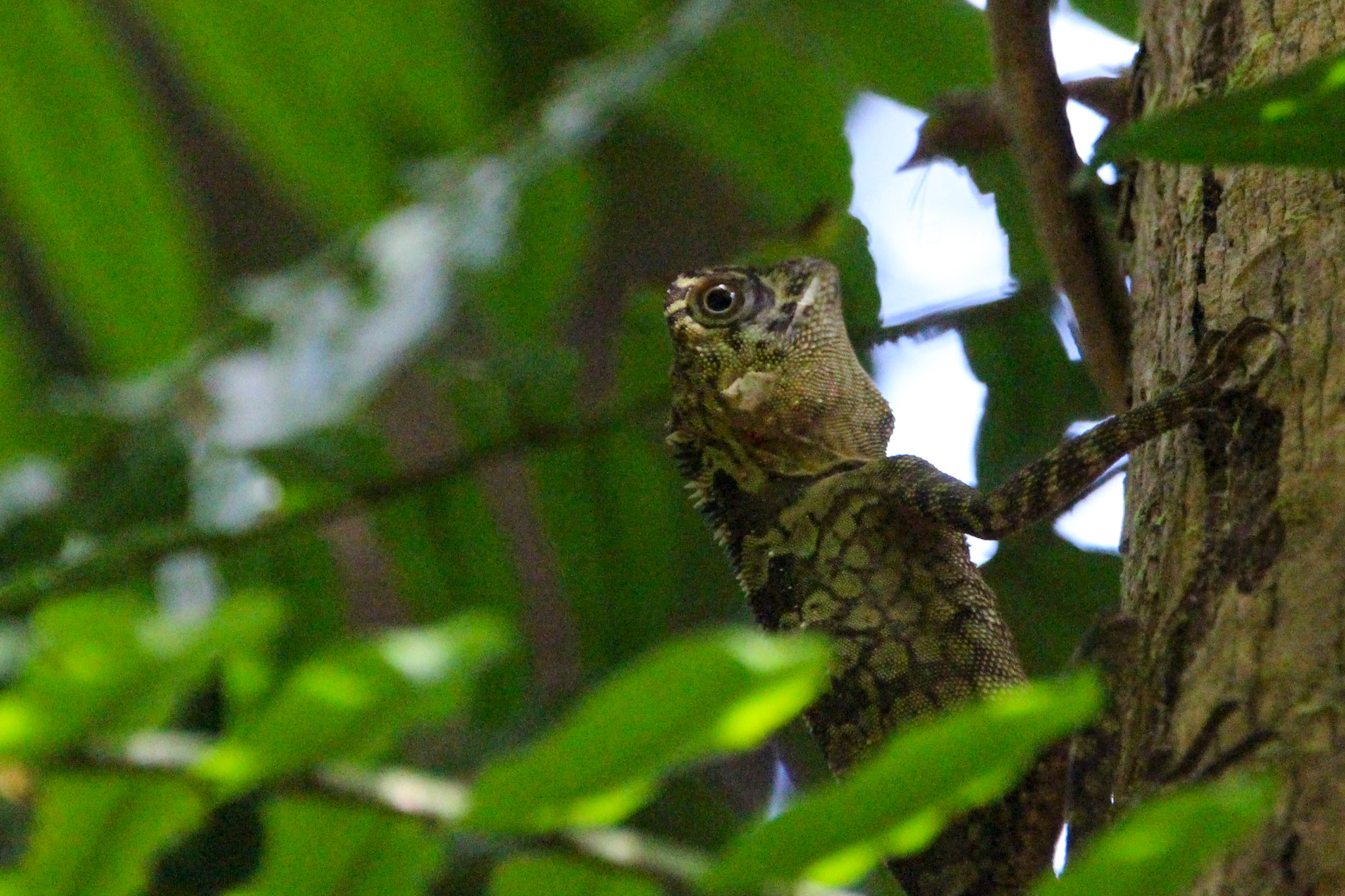
After settling in we embarked on our first hike of the trip. Which I will admit, I was very nervous about. Like I said, I was not an active traveller and I don’t like exercising in humid conditions, so I was not sure how I was going to enjoy it! To my surprise, the 2.5 km hike to Telok Pandan Kecil Beach, was not as hard as what I had expected. The start of the hike was uphill and the ground was uneven as we made our way over large tree roots covering the path. But I took my time and enjoyed the stillness of the jungle. We were under the rainforest canopy which helped keep the sun at bay. We saw so many proboscis monkeys along the way. And I have to say they are oddly cute. Our guide pointed out some unique plant life, one in particular was the native pitcher plant, known as Nepenthes Rafflesiana. This plant collects water which he offered us all a drink from.
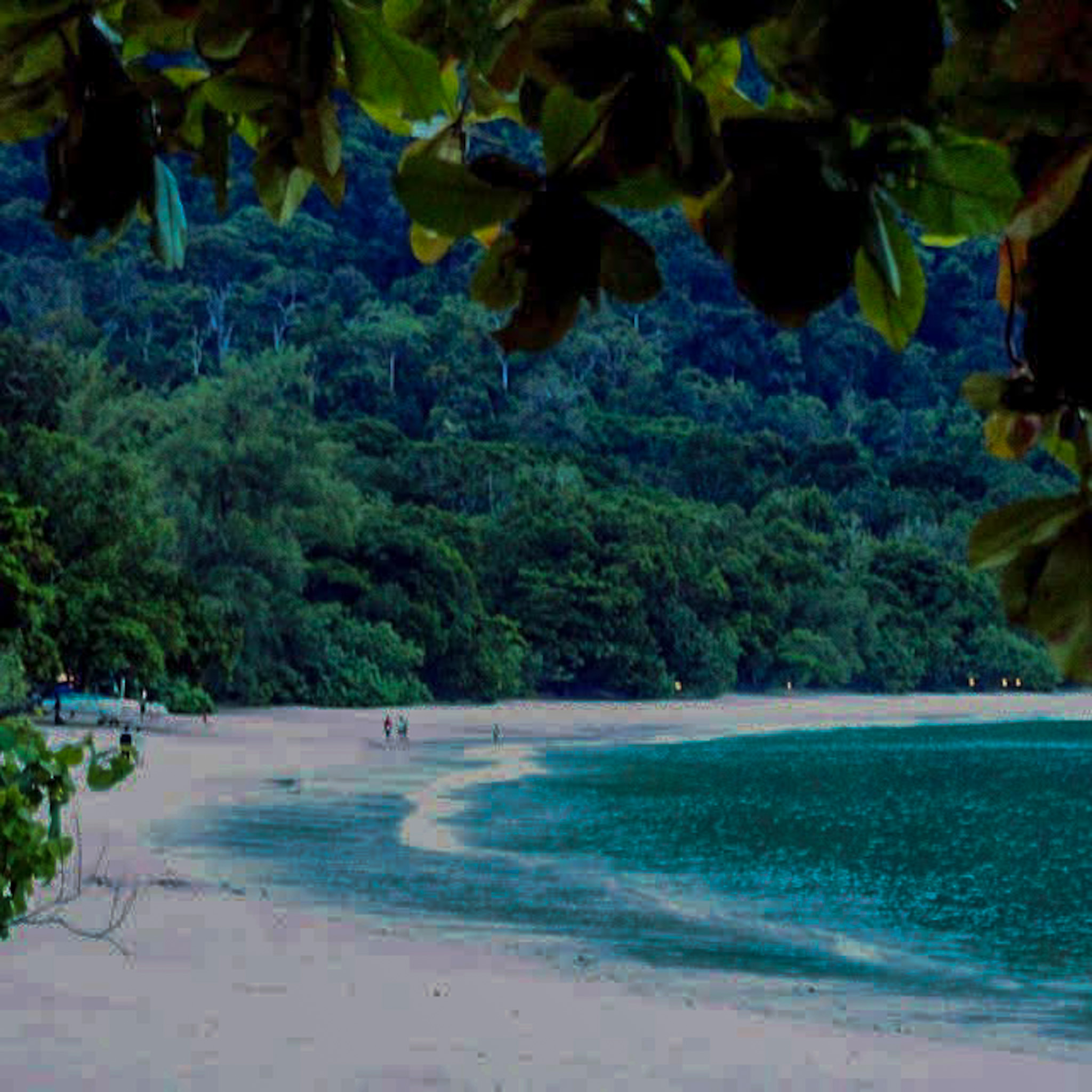
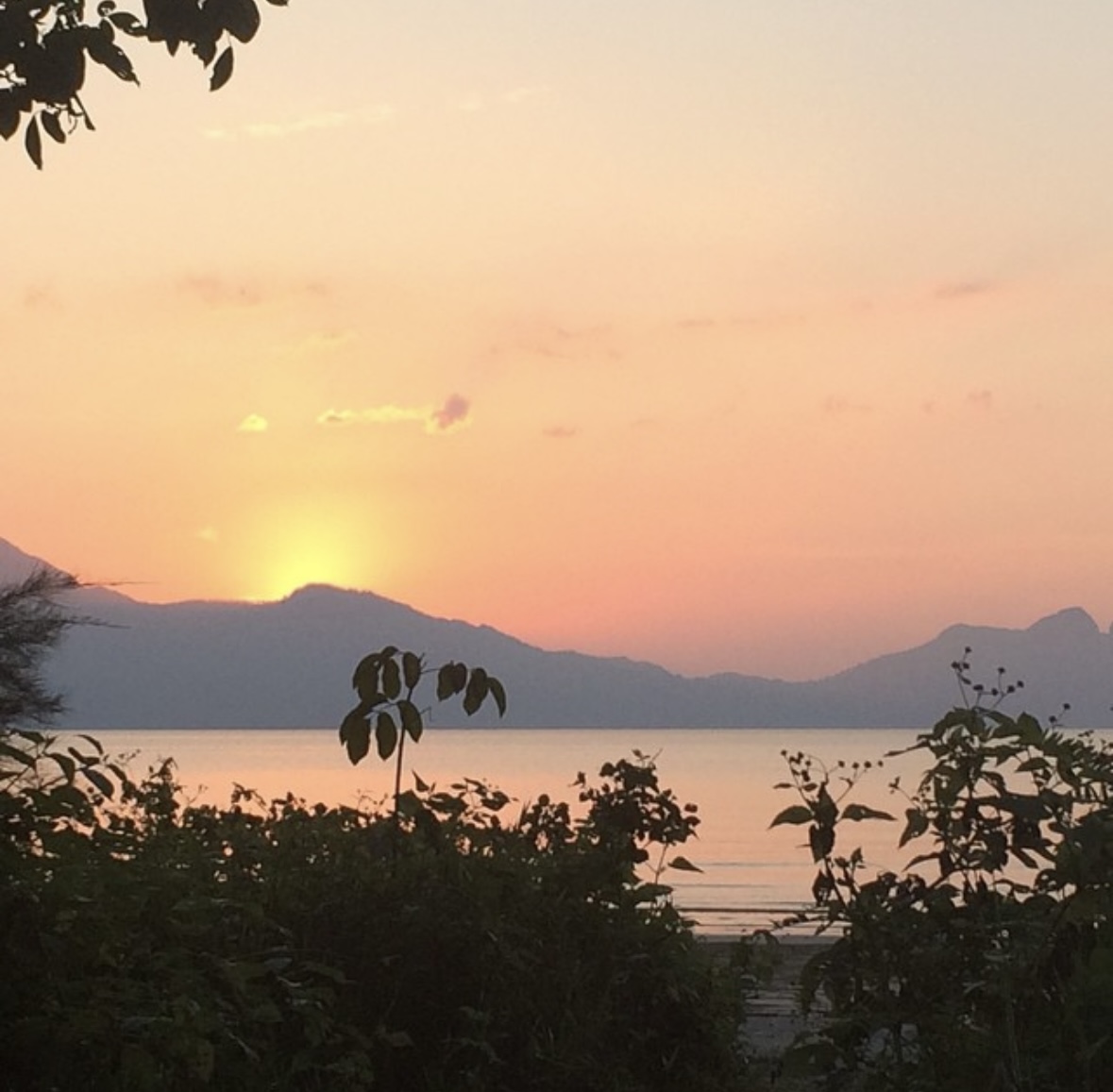
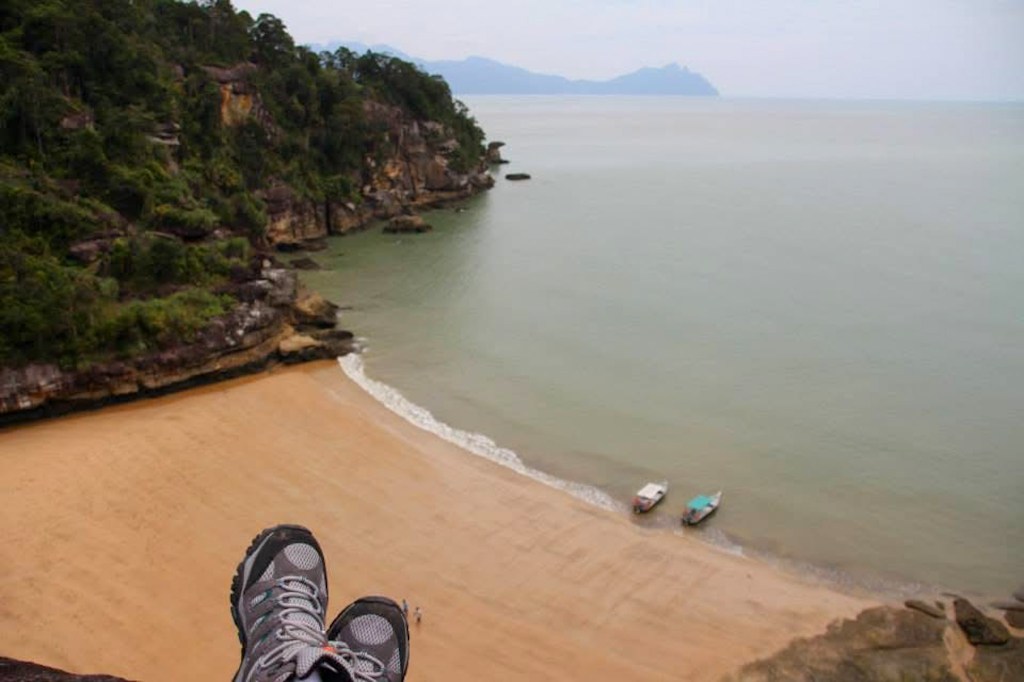
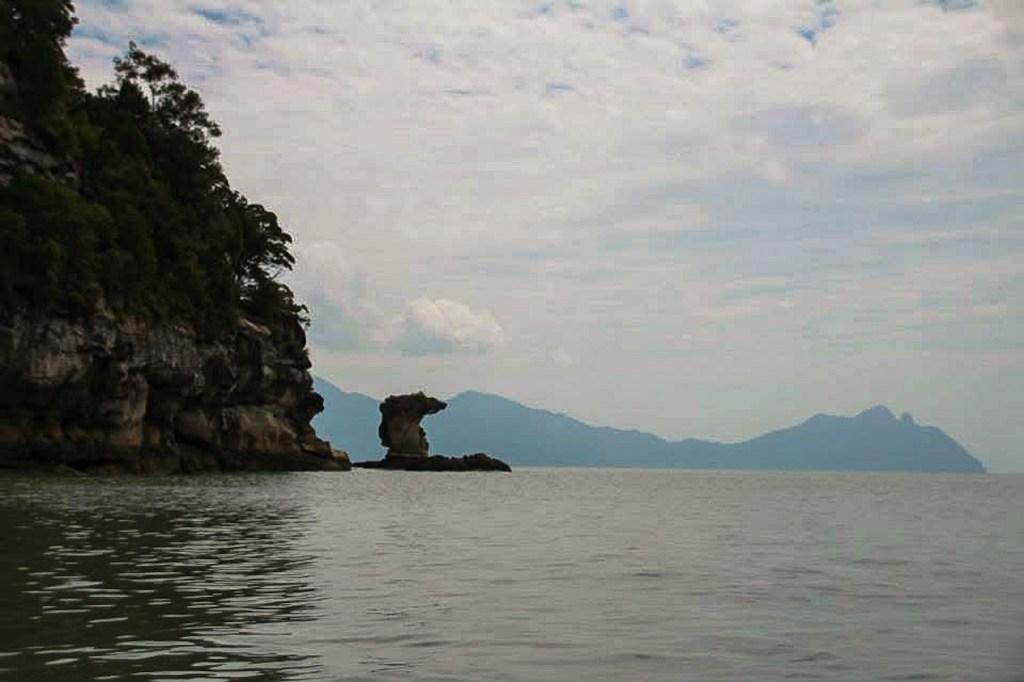
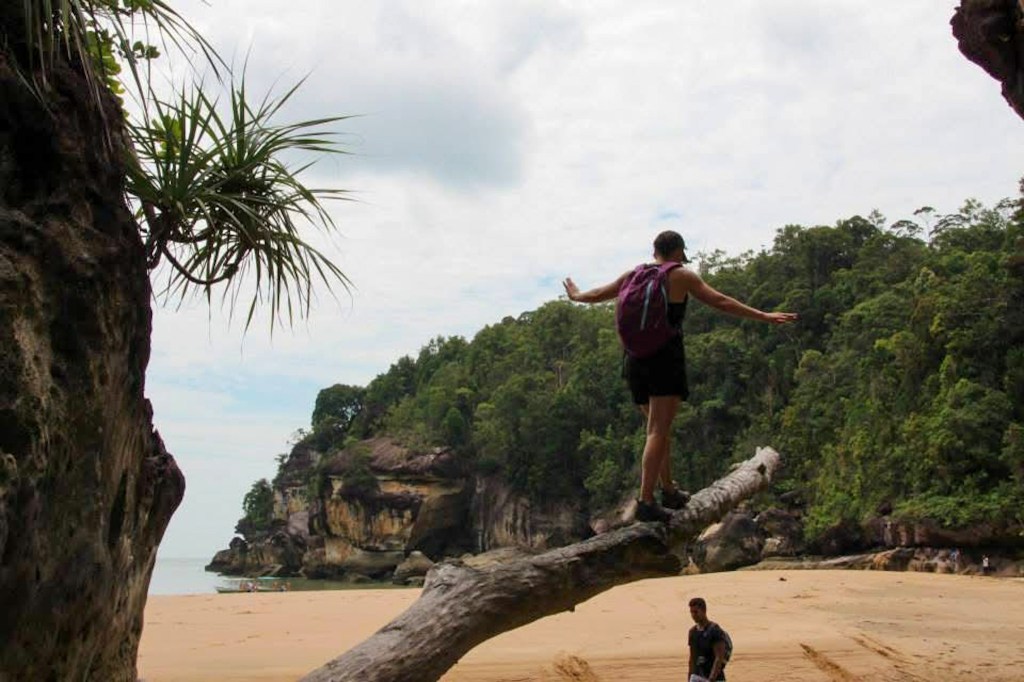
We had a short break on a cliff top that overlooked the secluded beach below. The view from here was epic and I am grateful we were able to witness the famous sea stack before its collapse in 2024. We made the descent to the beach, winding through rock formations, before making our way back to the accommodation. There was a mother and son duo on this trip that I took a lot of admiration for. Campbell, hiked every single trail barefoot!! How it didn’t kill his feet, I will never know. Even his Mum Jane did a couple of hikes barefoot which was to help enhance a connection with nature. We actually came up with a friendly nickname for them, Tarzan and Jane!
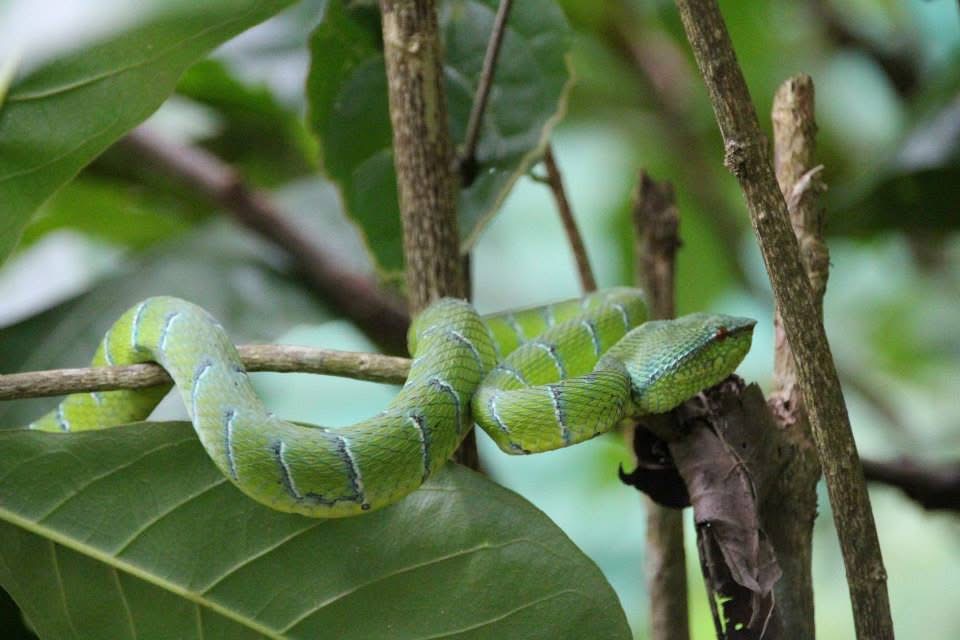
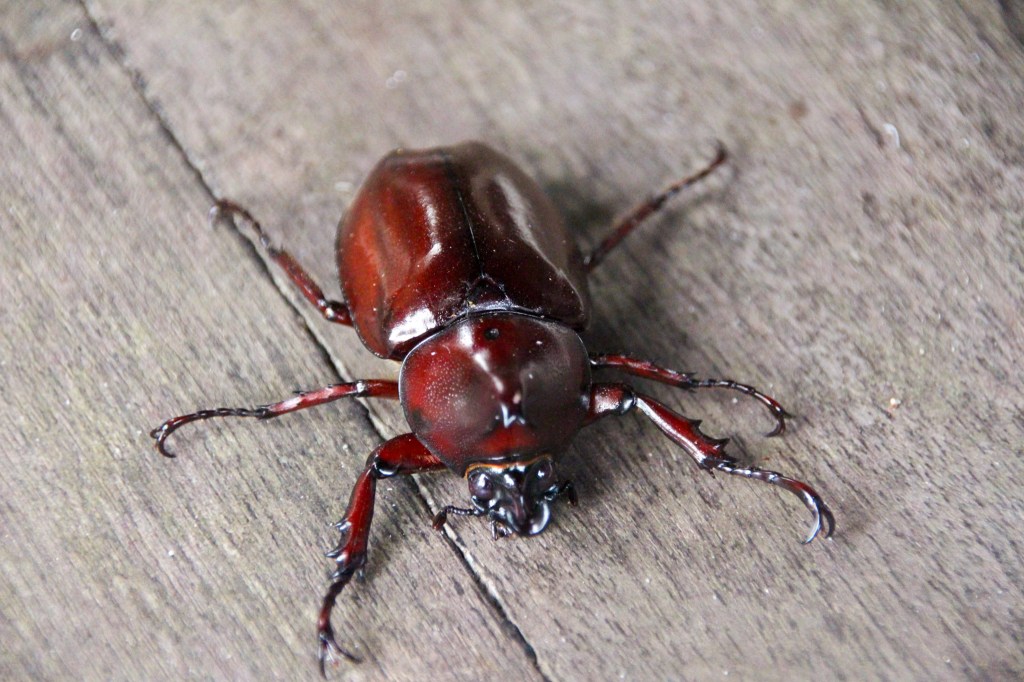
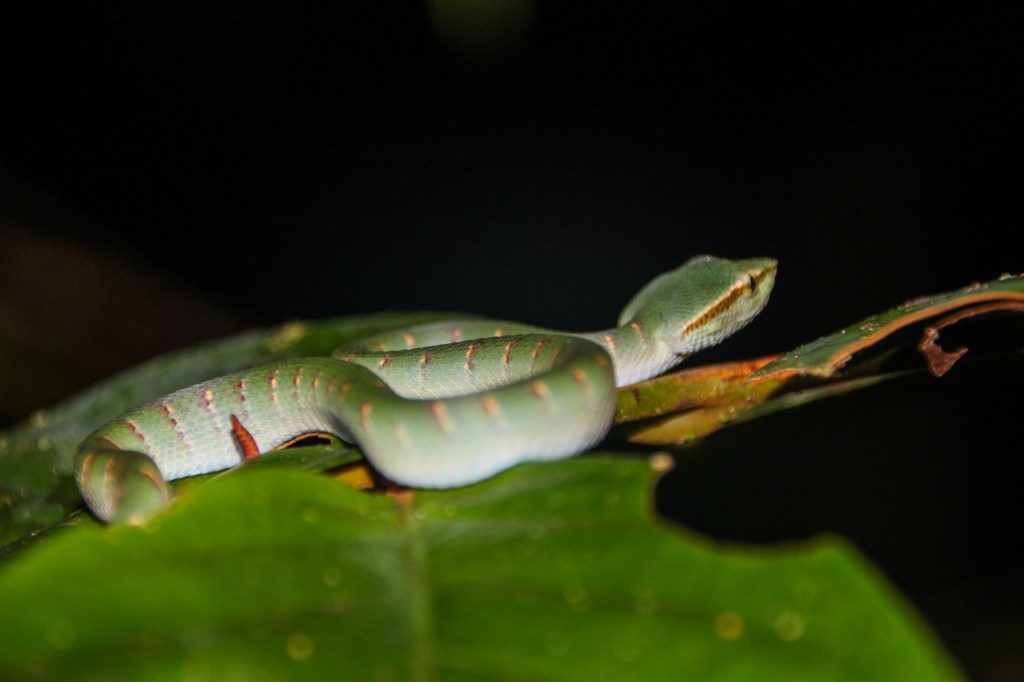
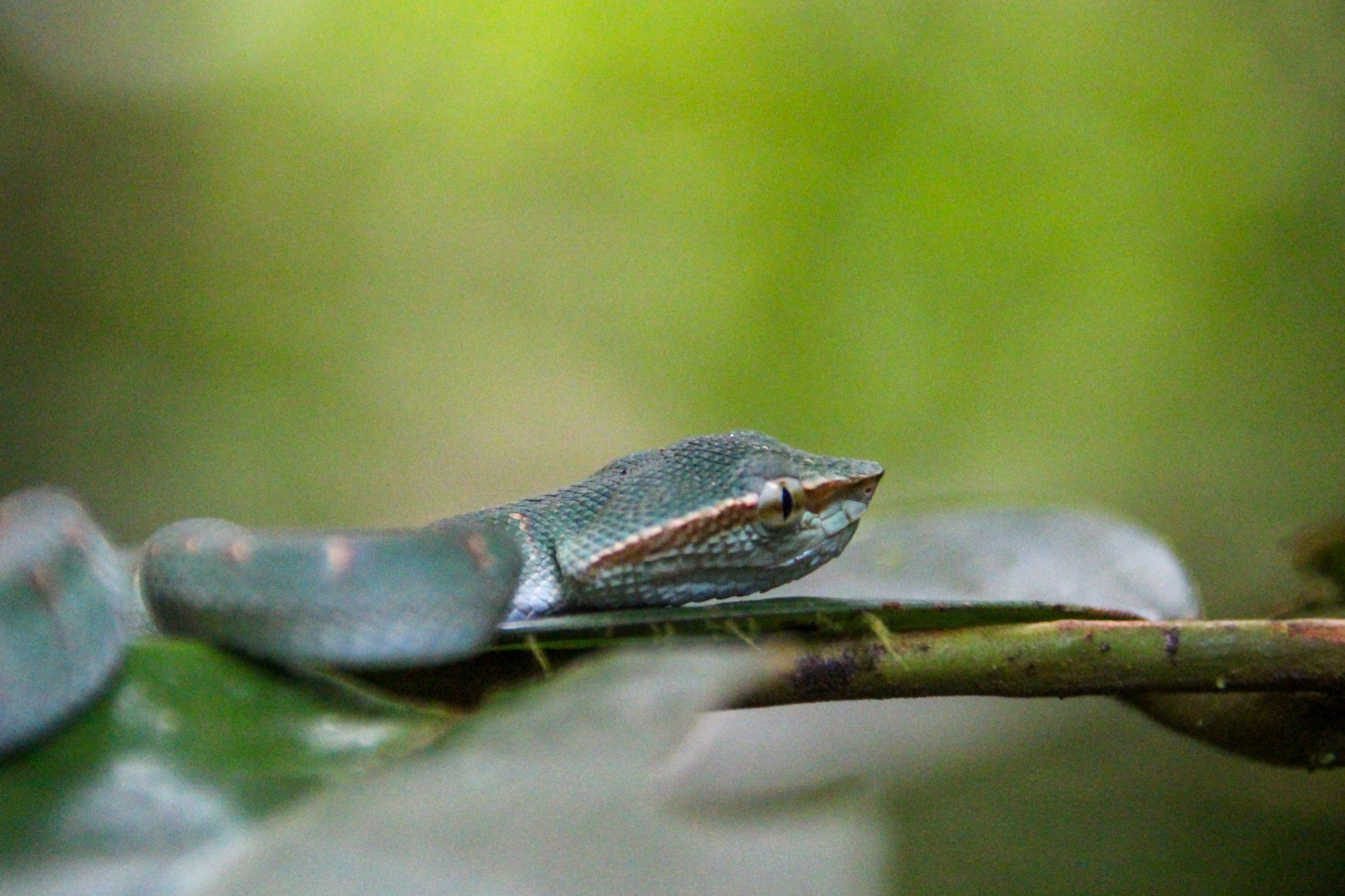
That evening we ventured out on a night walk through the jungle, close to the accommodation. Not far into the walk we spotted a green viper snake just chilling on a tree branch. As much as I dislike snakes, this one was a beautiful bright green… I still kept my distance! We saw lots of creepy crawlies and insects so large, it was actually quite fascinating.
I was extremely tired that night from our trekking but I felt so accomplished and really appreciated being amongst nature.
Day 3: Kuching
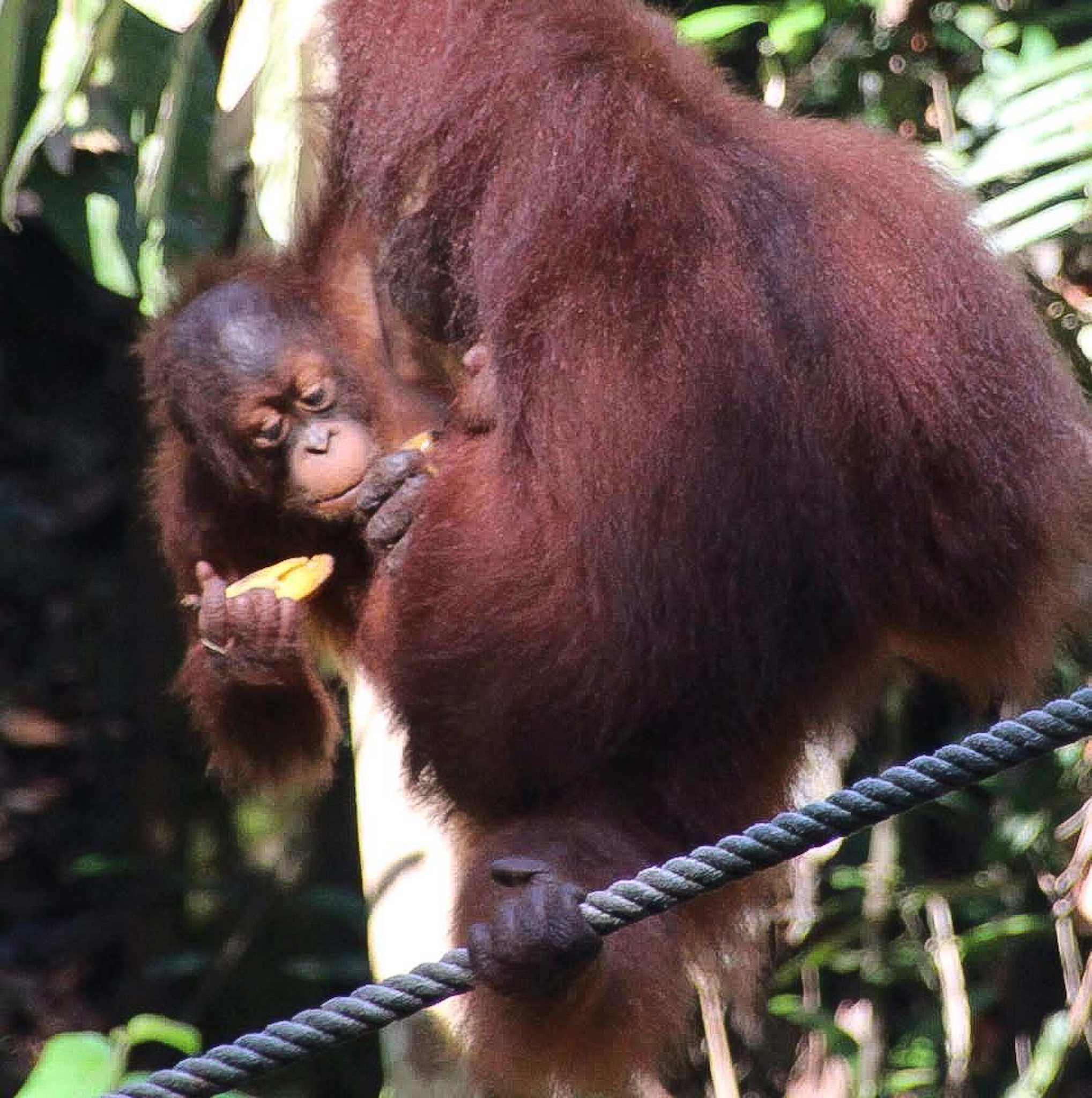
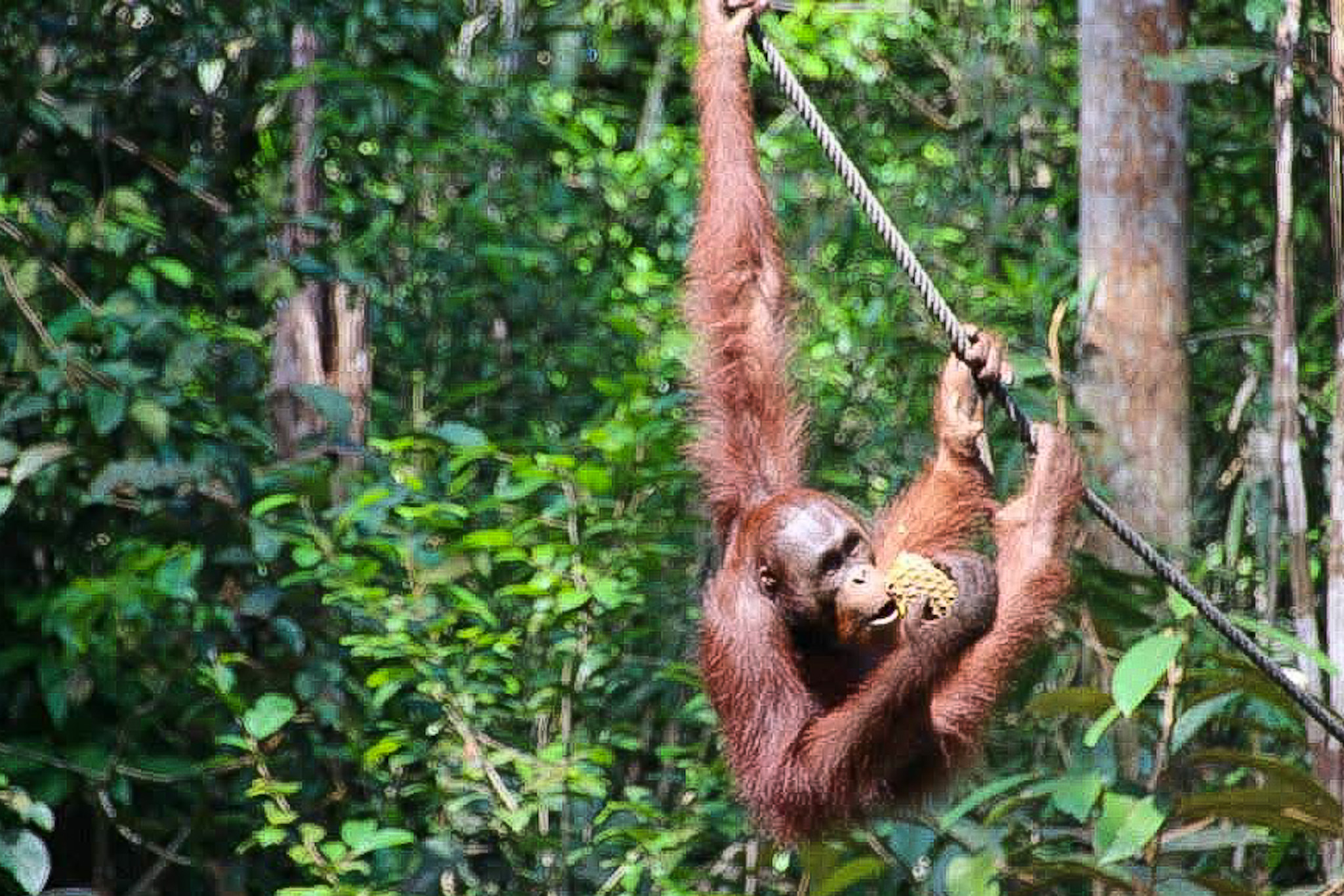
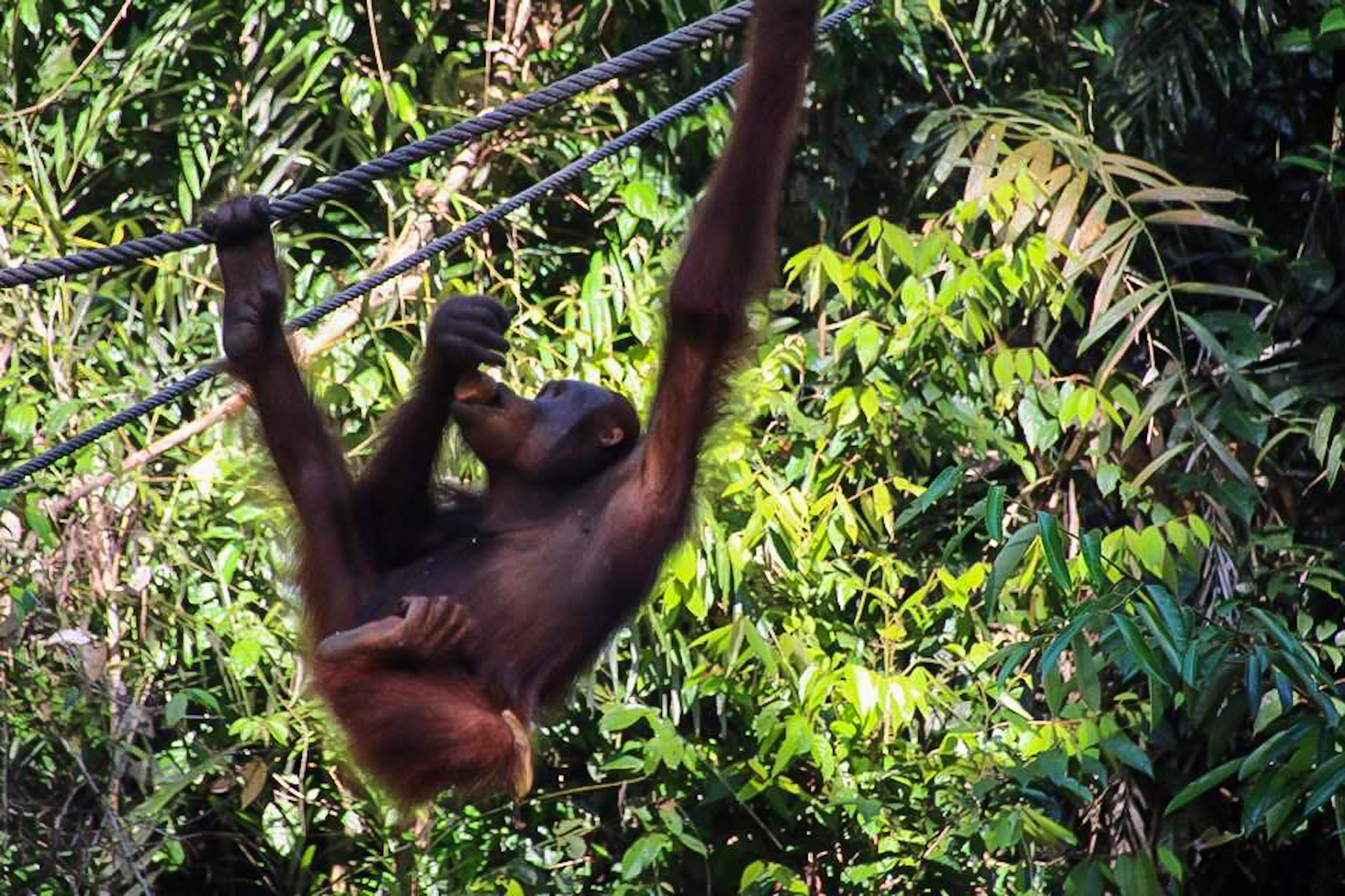
This morning we departed Bako National Park by boat and made our way to Bako Village where we jumped in a minivan and made our way to Semengohh Orangutan Sanctuary. This is a government funded rehabilitation centre which helps reintroduce Orangutans into the wild. I was so excited about this part of the trip. It was a huge bucket list moment to witness these amazing primates in the wild. We made our way to a viewing platform, where we witnessed the primates swing through the trees to an area where fruit was put out for them. These animals are free to roam and are not in enclosures, however one of the large males walked right past us at one point. Railings are in place to keep visitors on the path and the feeding platform is set will away from it to minimise human contact.
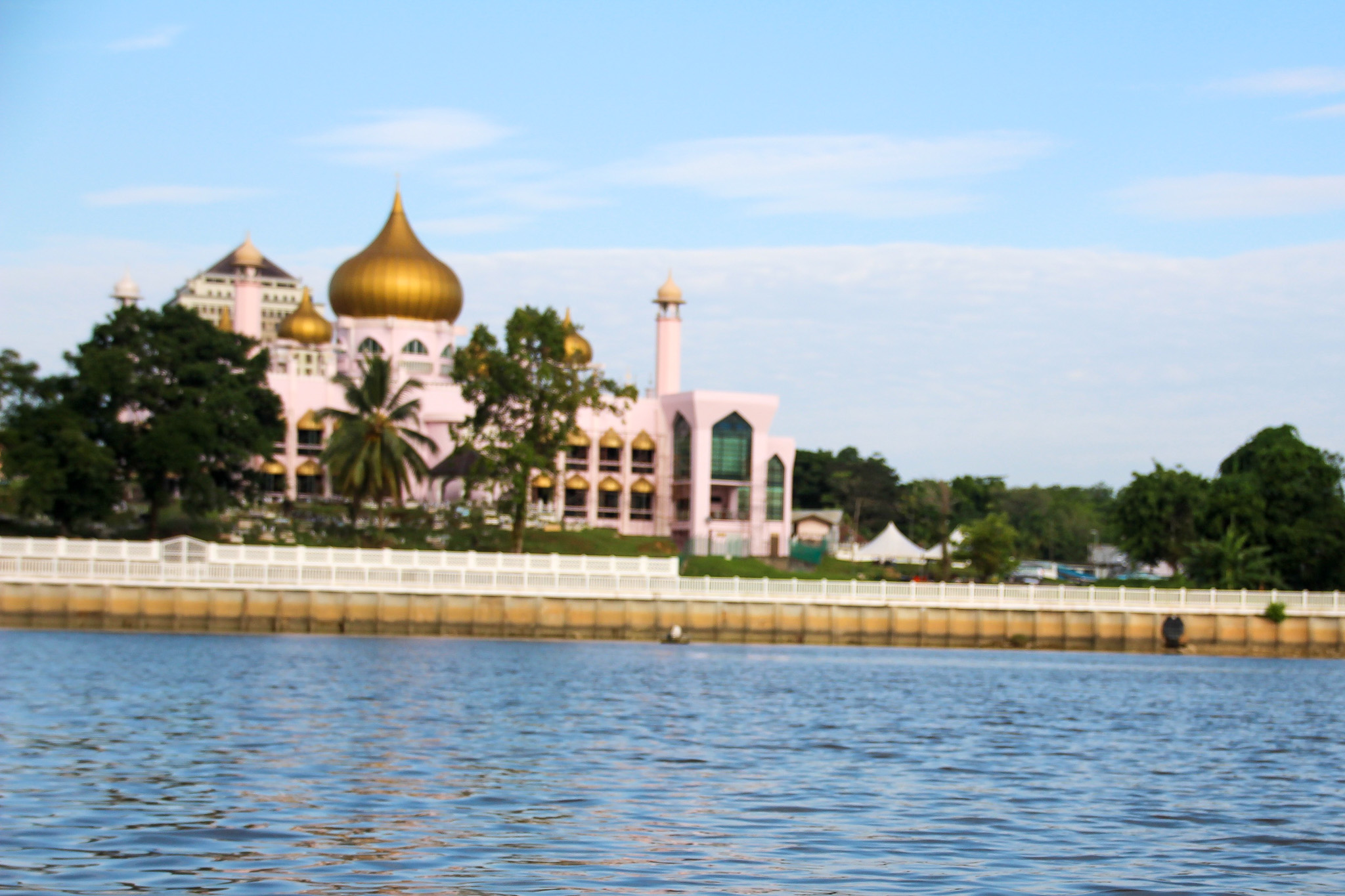
After returning to the Lime Tree Hotel in Kuching, we freshened up and made our way to the waterfront where we boarded a traditional Tambang ferry. We took in the sights as our driver slowly paddled across the Sarawak River. We saw prominent landmarks like the Astana and the Kuching City Mosque. And witnessed local fisherman casting their nets to make a catch. It was a unique way to explore Kuching. We stopped at the Medan Niaga Satok markets. There was an abundance of food available but I was thirsty for a fresh juice, ignorantly forgetting it was Ramadam. I didn’t realise until I had almost devoured it.
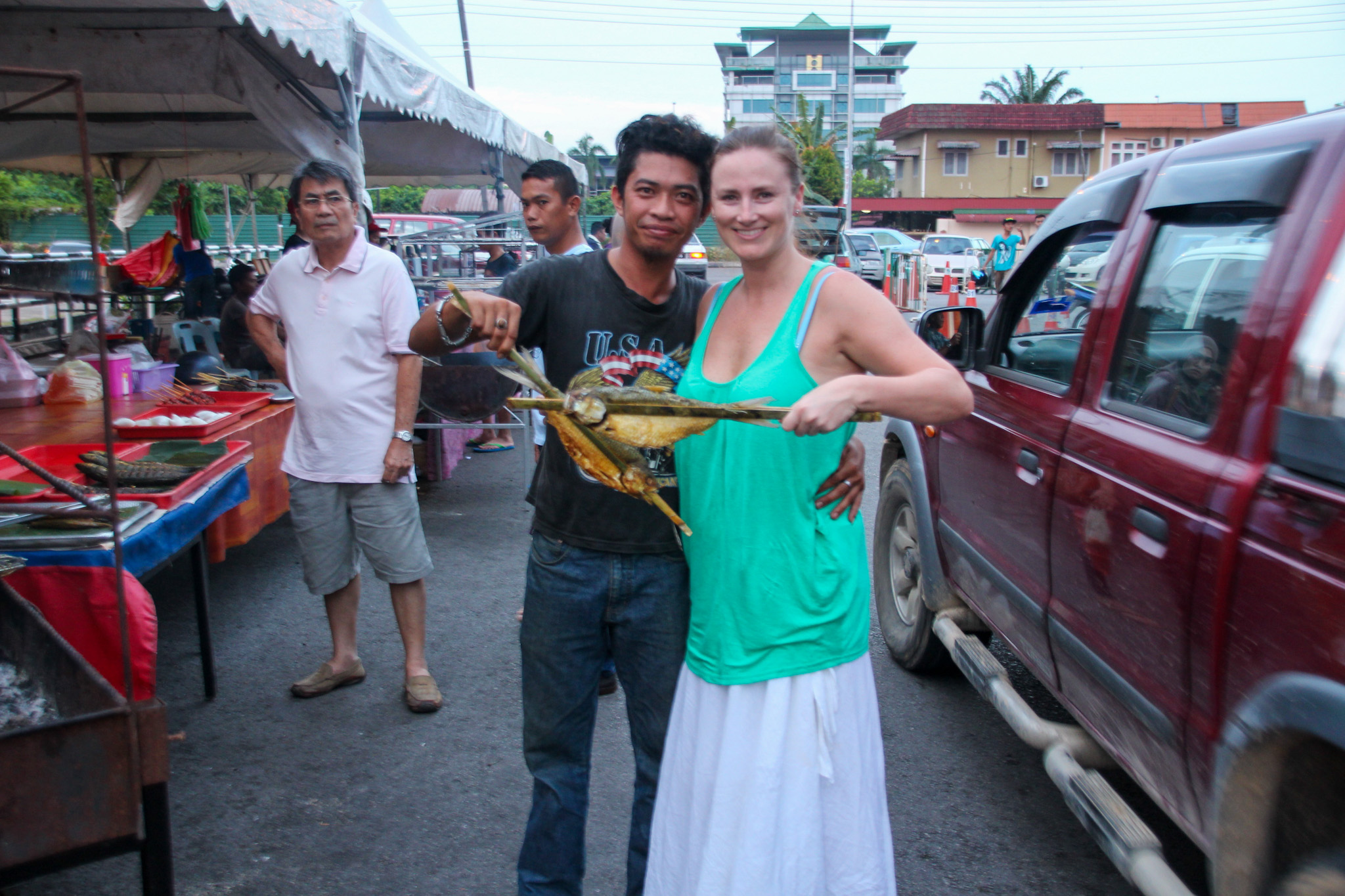
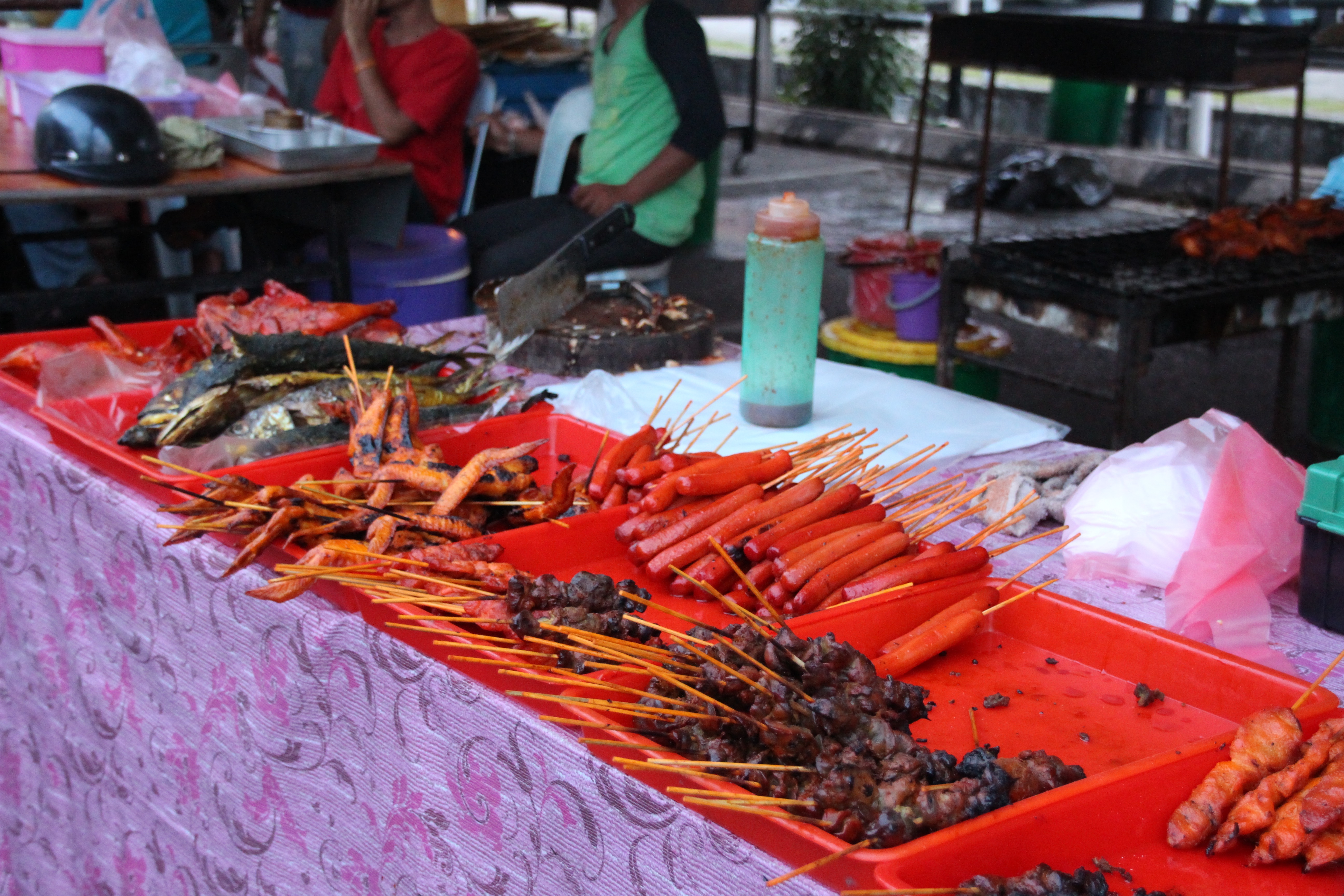
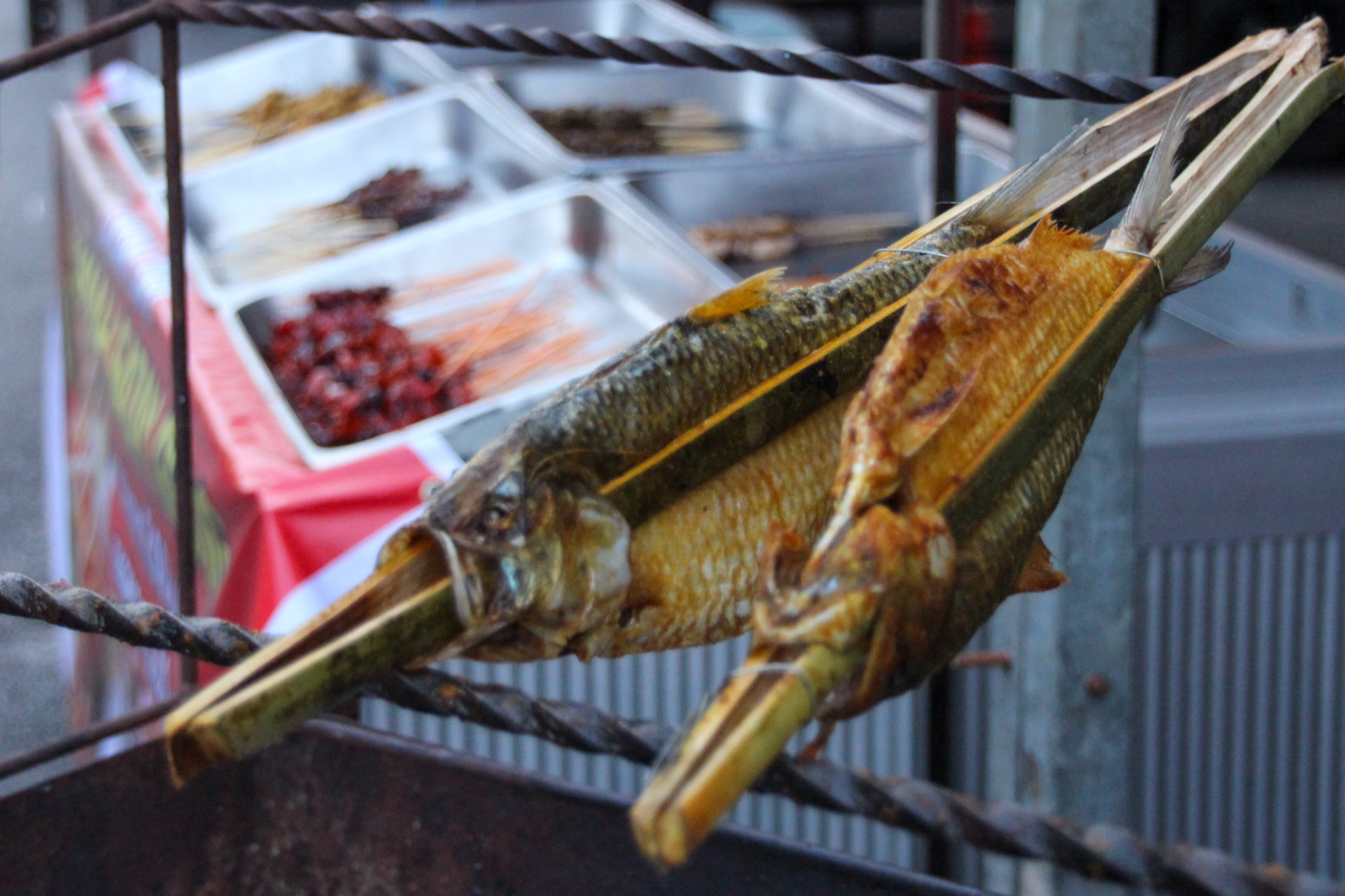
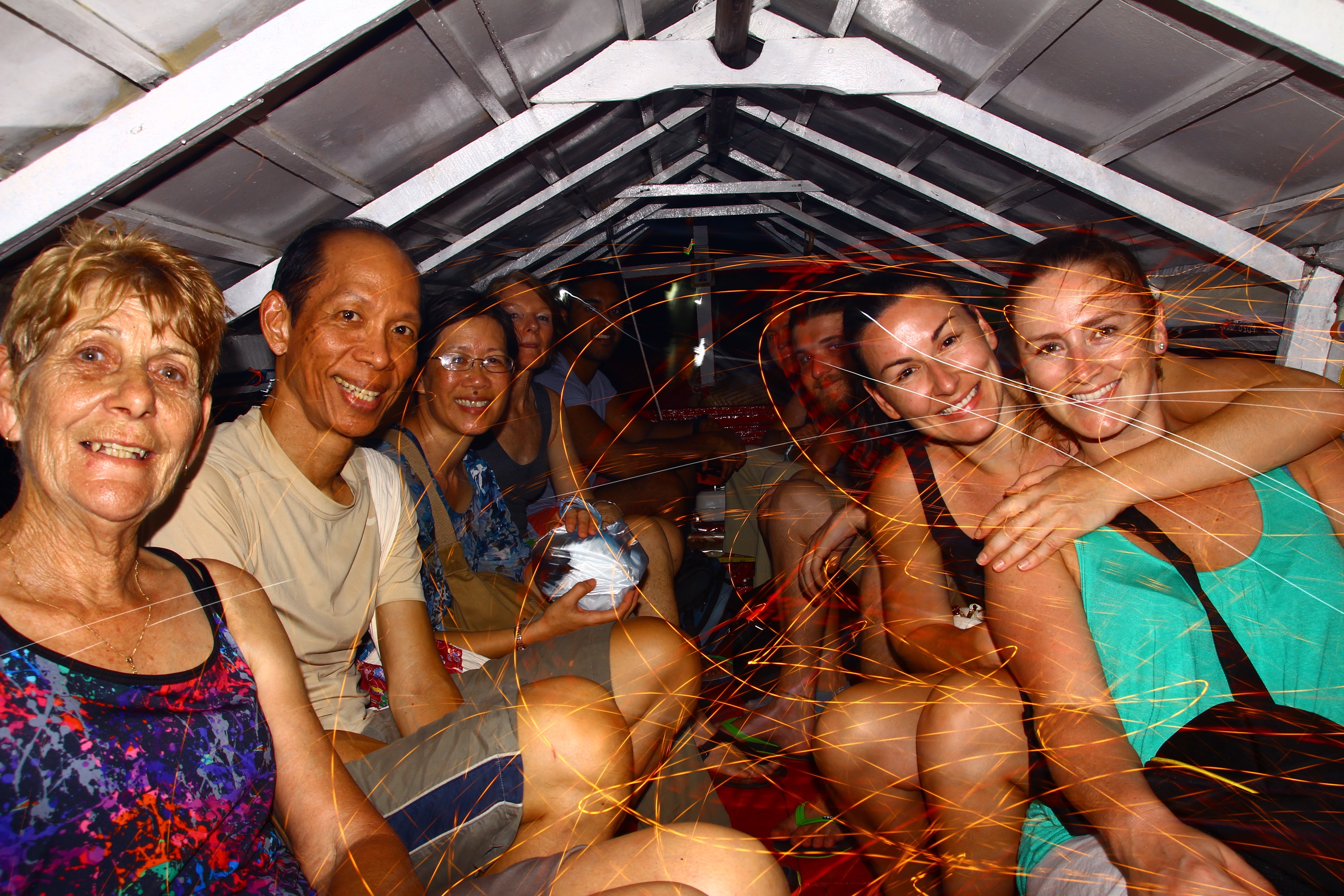
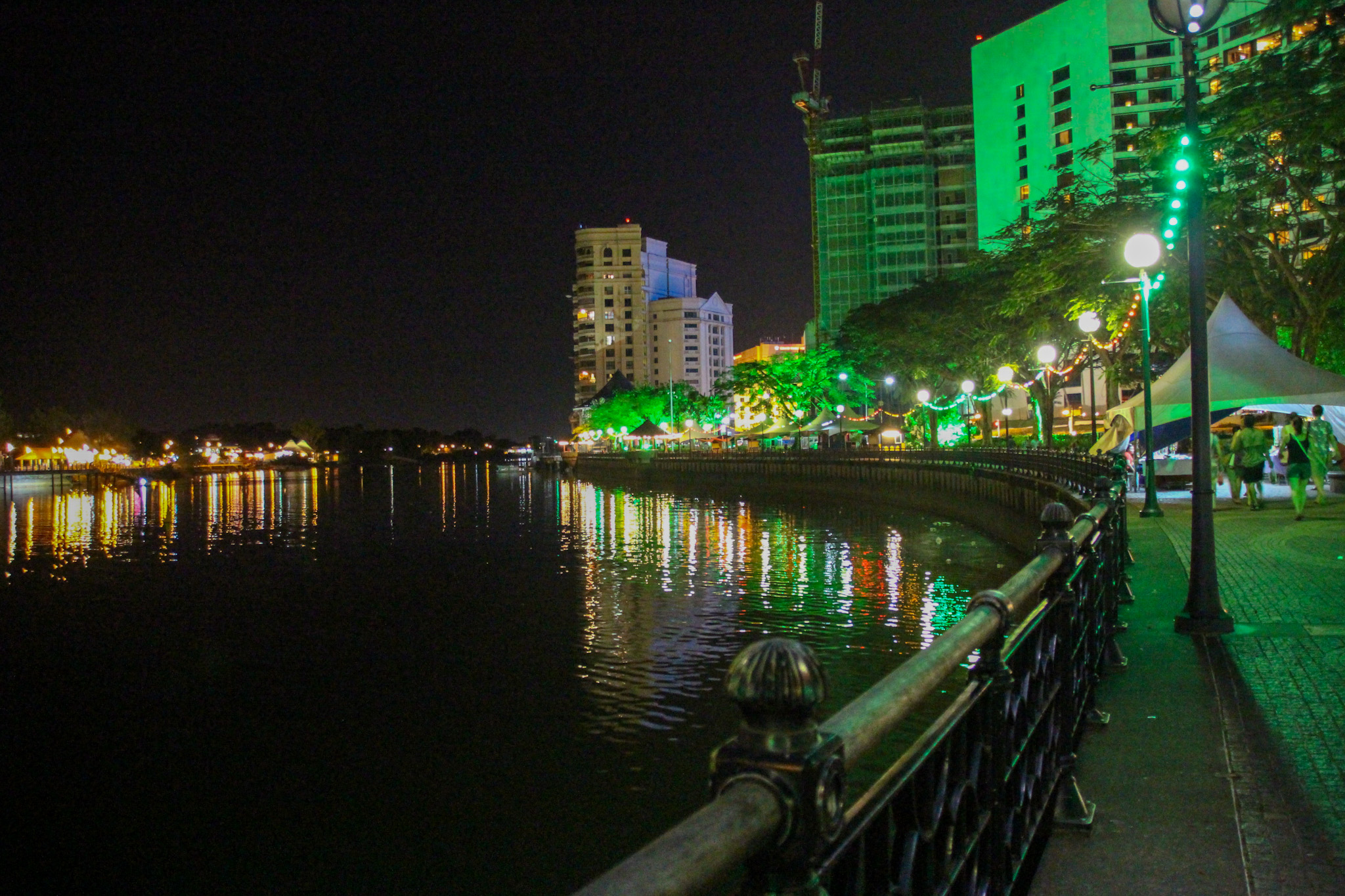
As night fell we jumped back on a Tambang and made our way across the river. Kuching at night is another beautiful sight. With the monuments lit up it was really something magical.
Day 4: Niah National Park
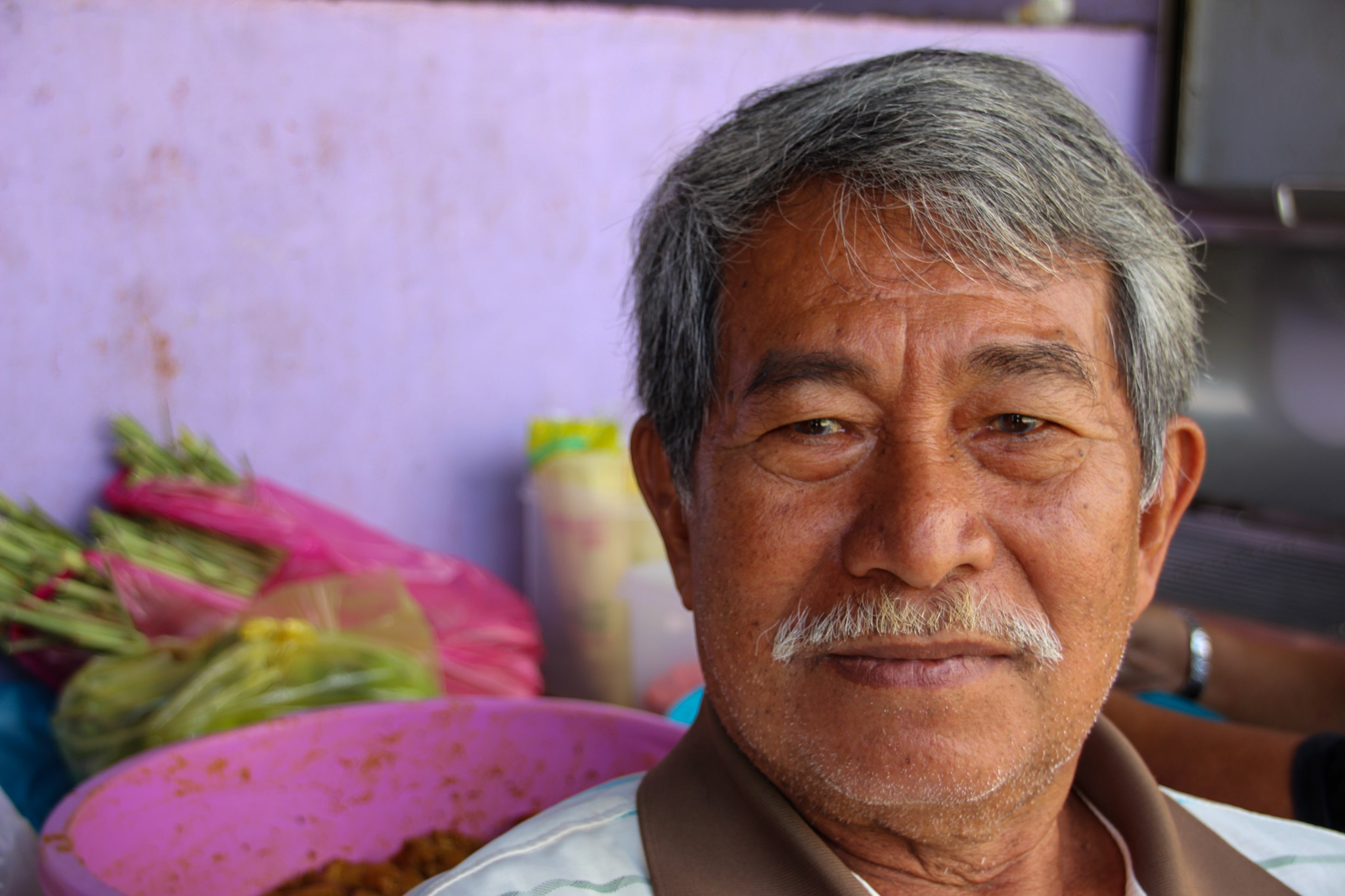
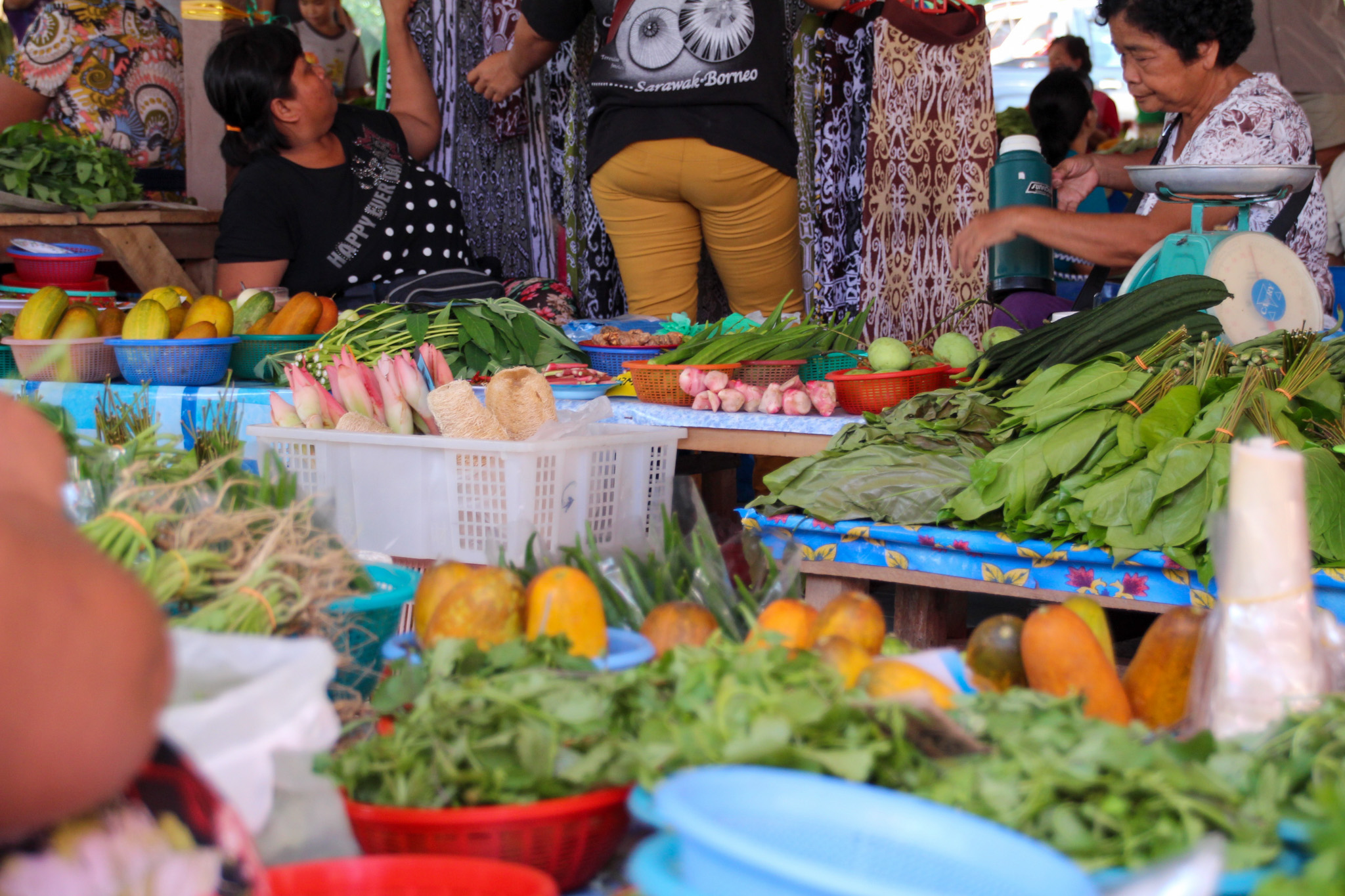
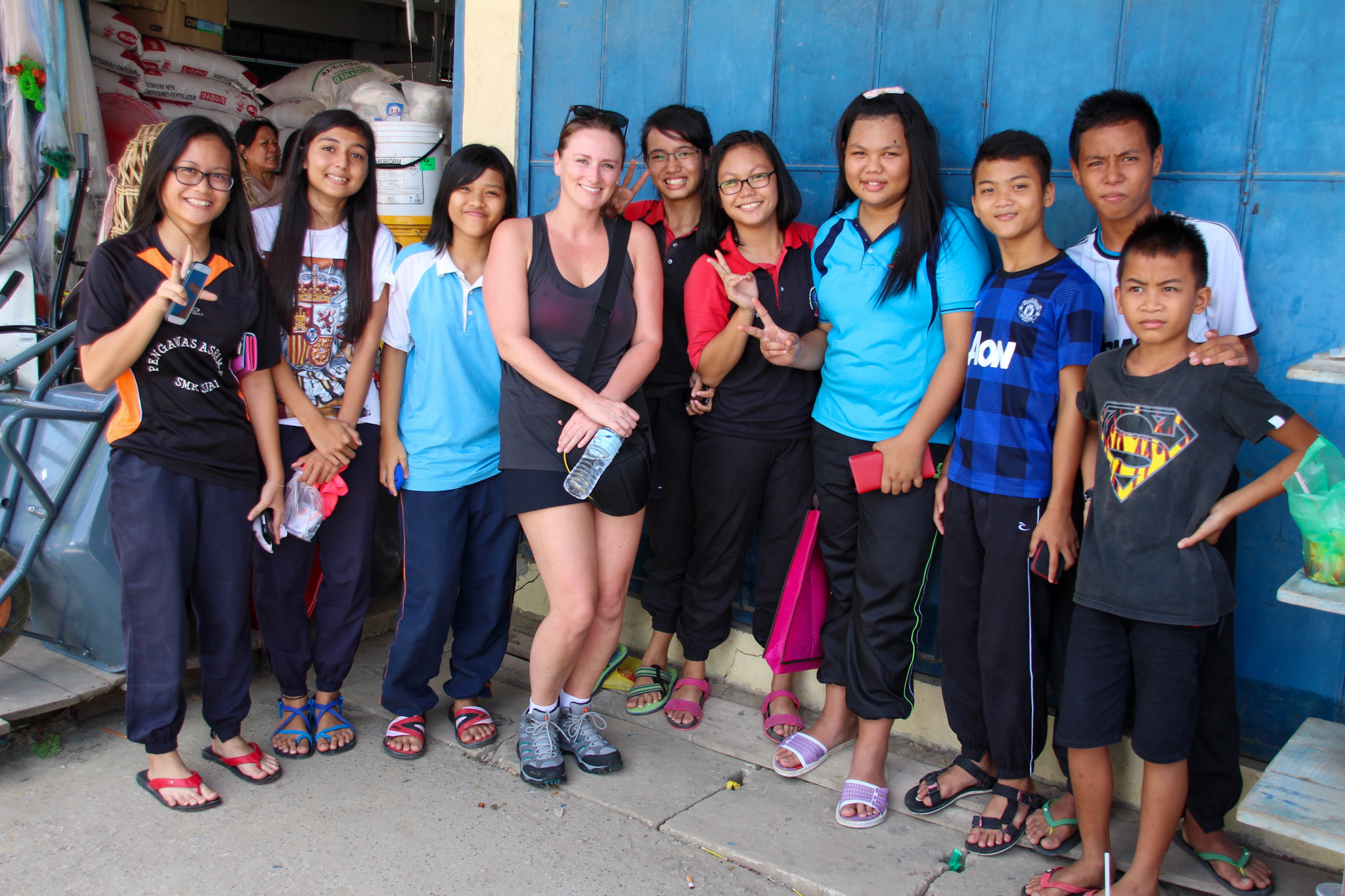
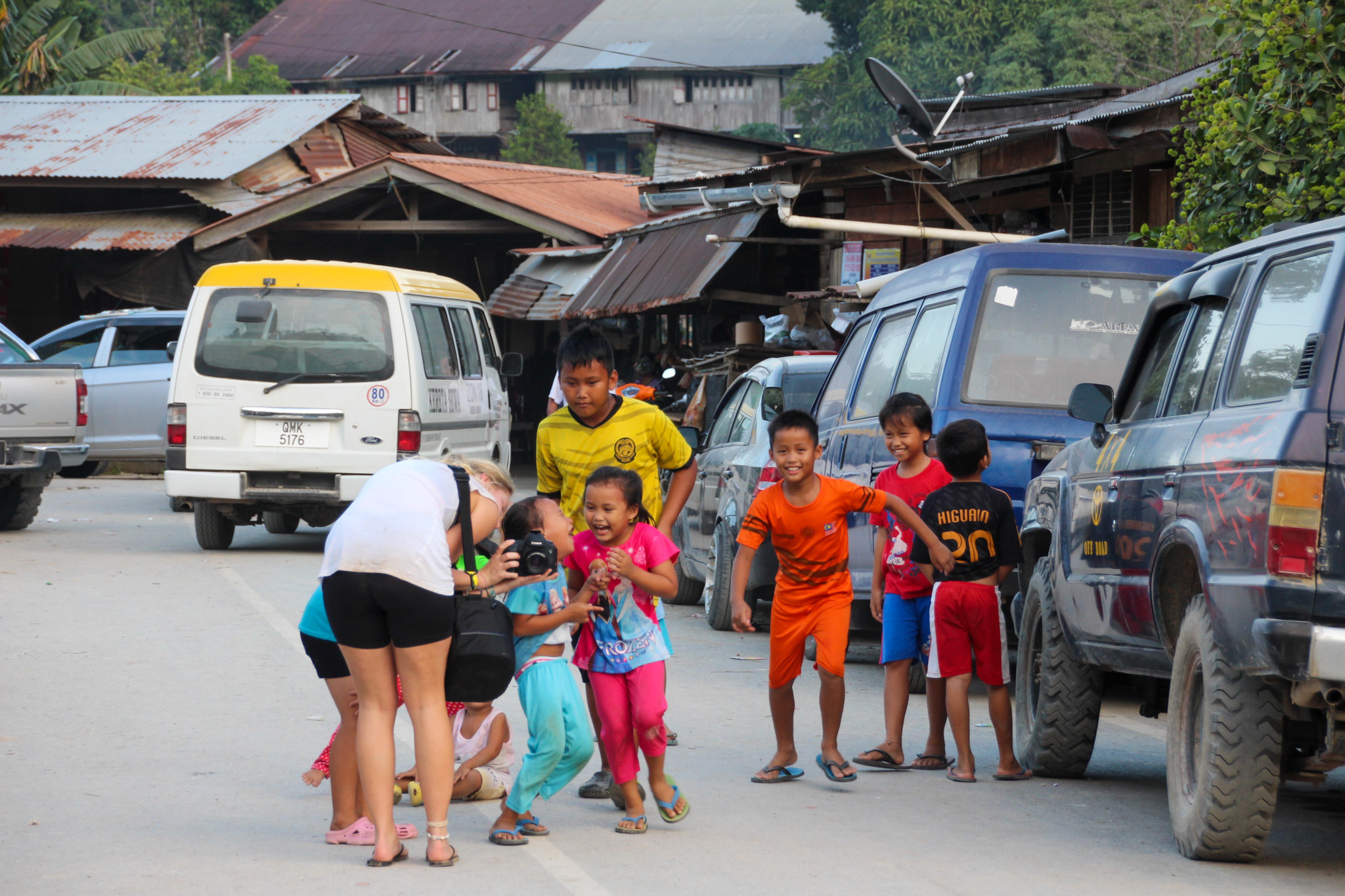
Today we caught a flight from Kuching to Miri Airport where we packed 4 nights worth of clothes into a small backpack as we were about to head off the beaten path for the next 4 nights. We met locals in Miri who were so friendly and wanted to mingle with us.
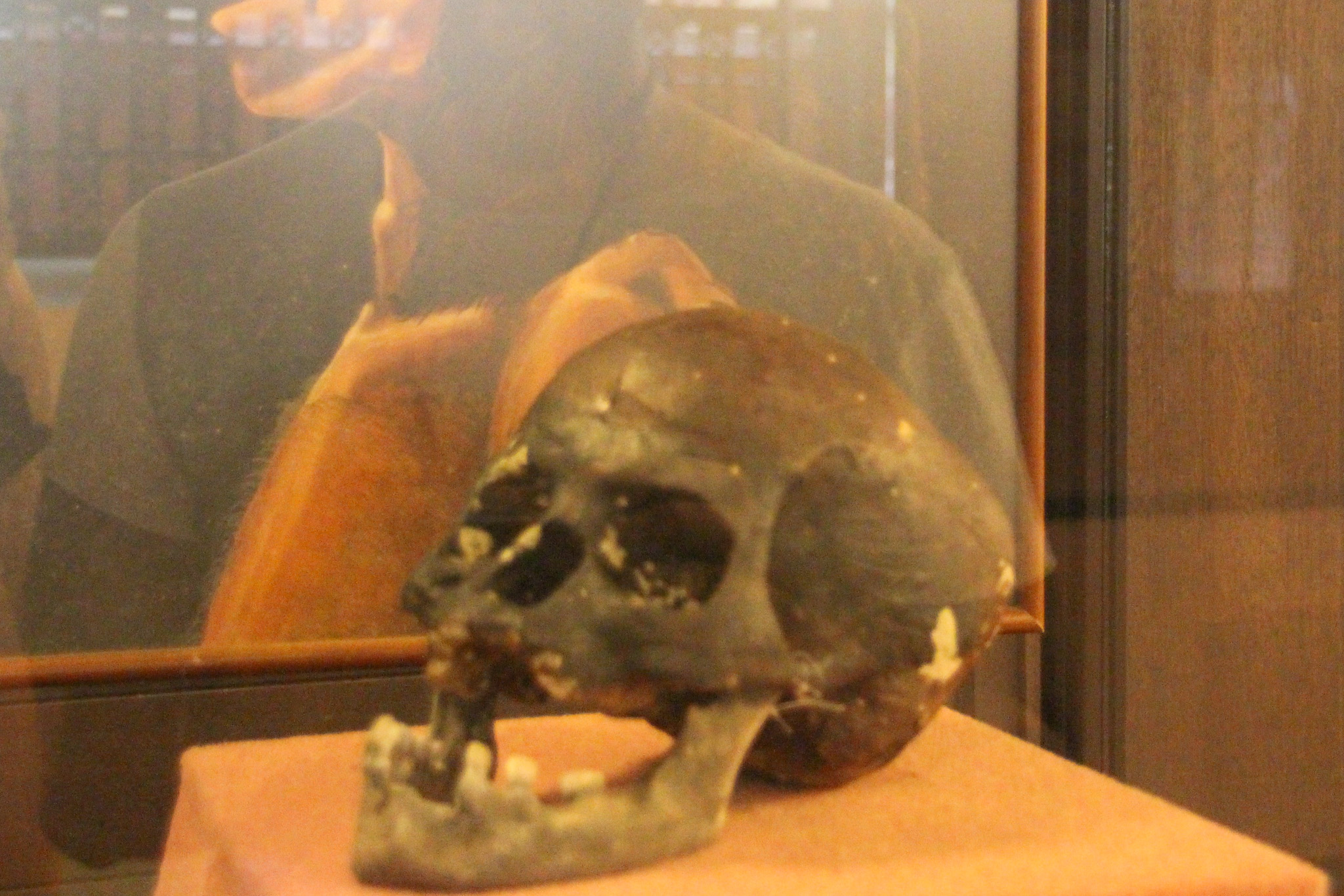
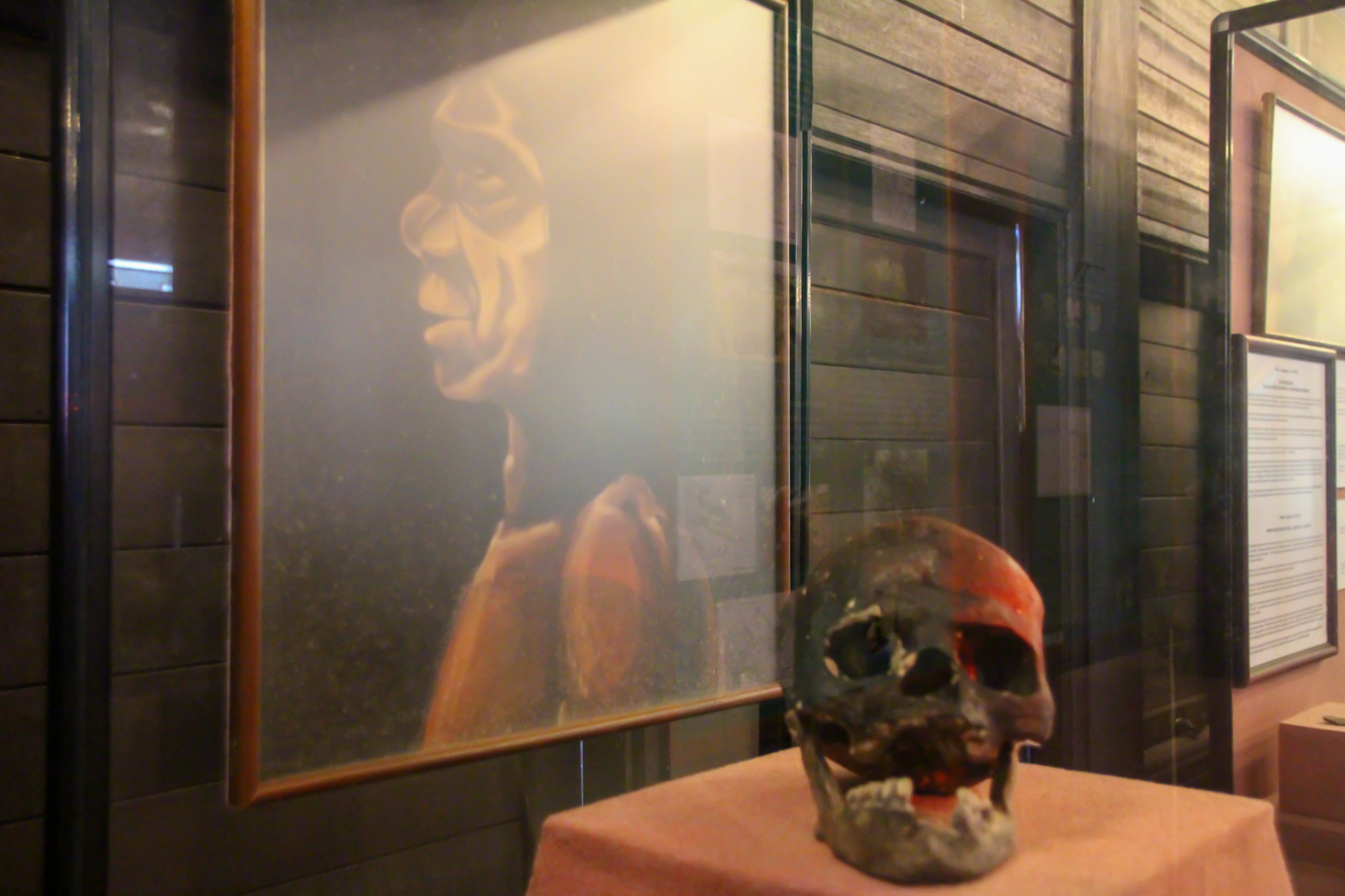
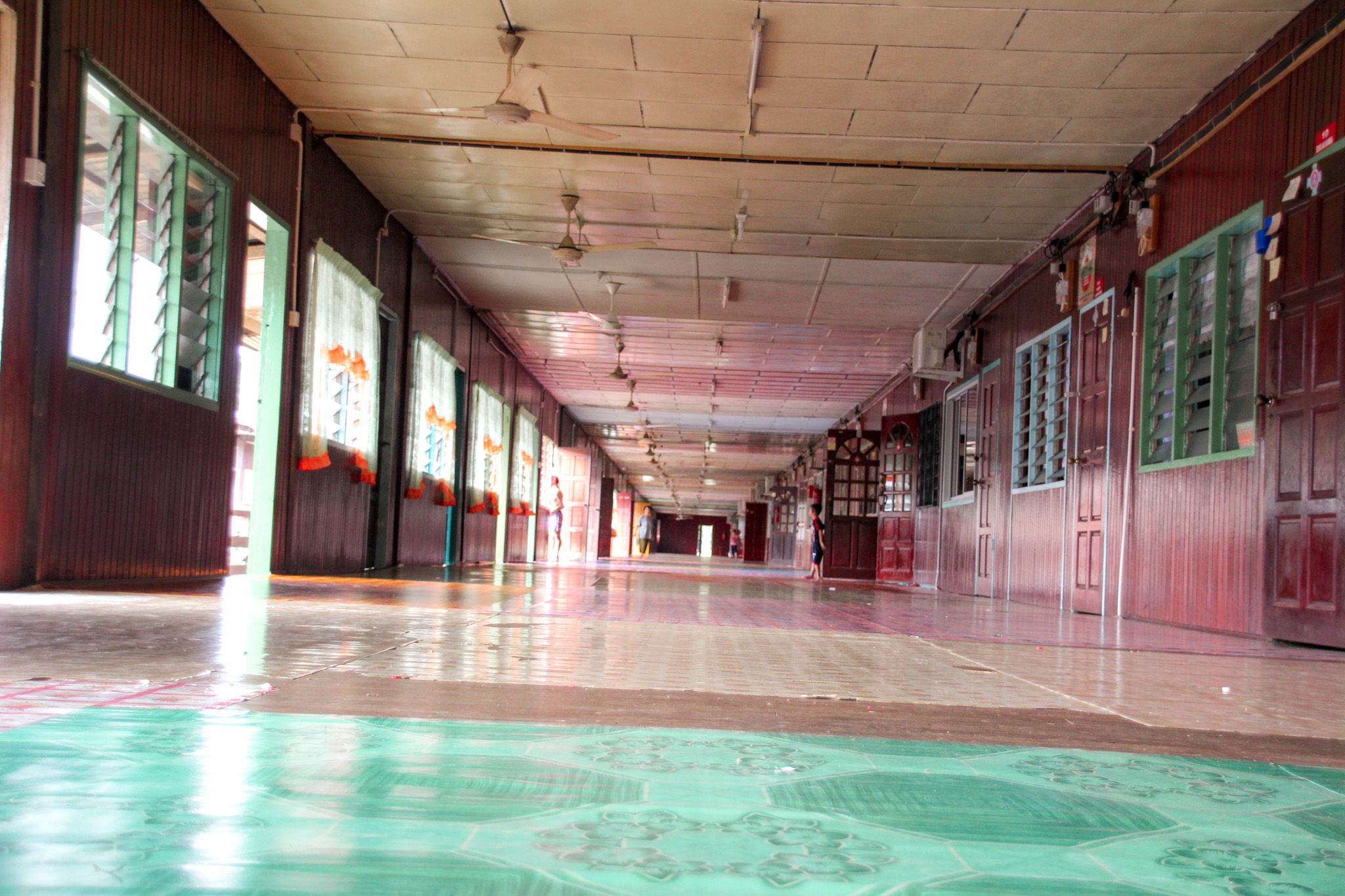
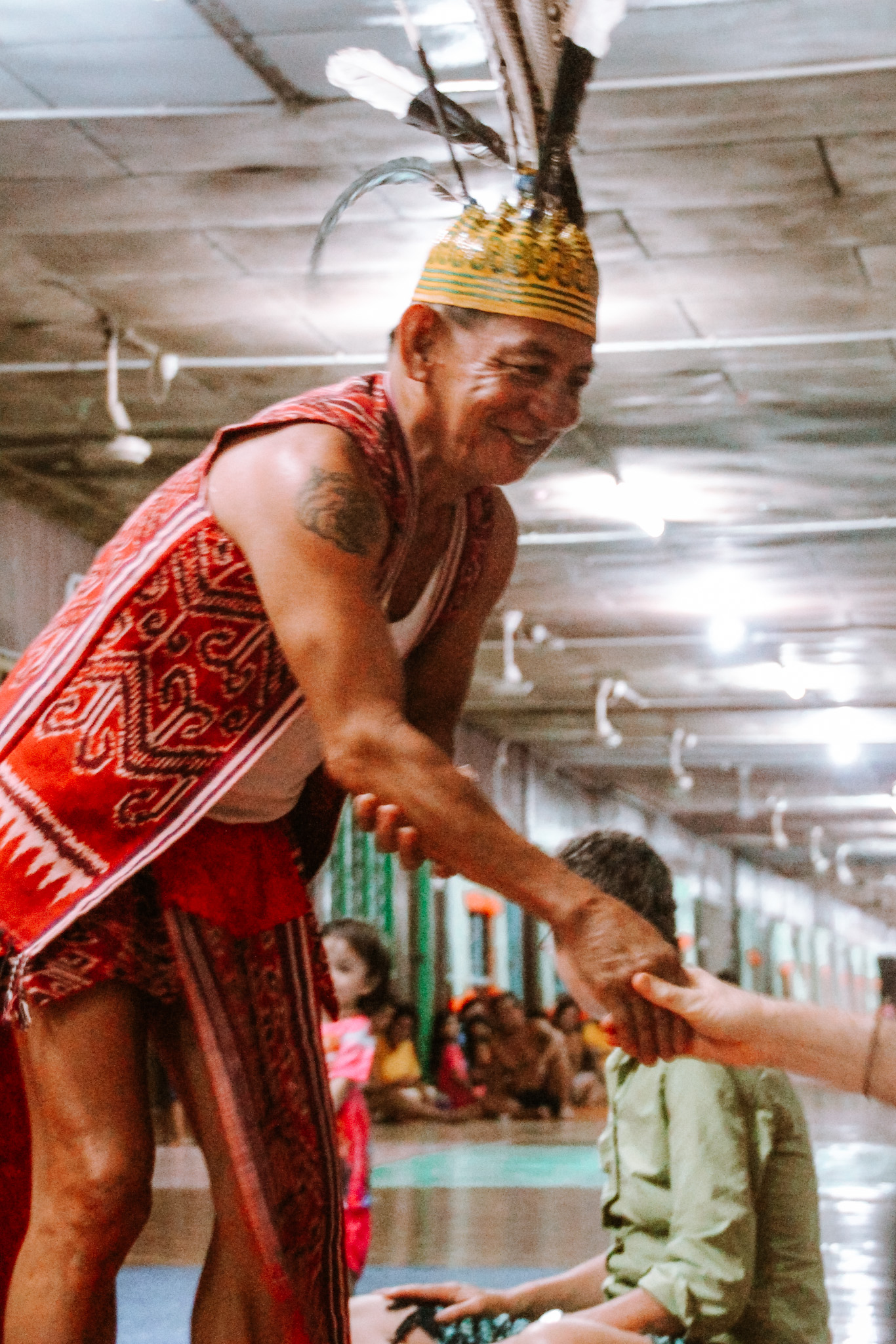
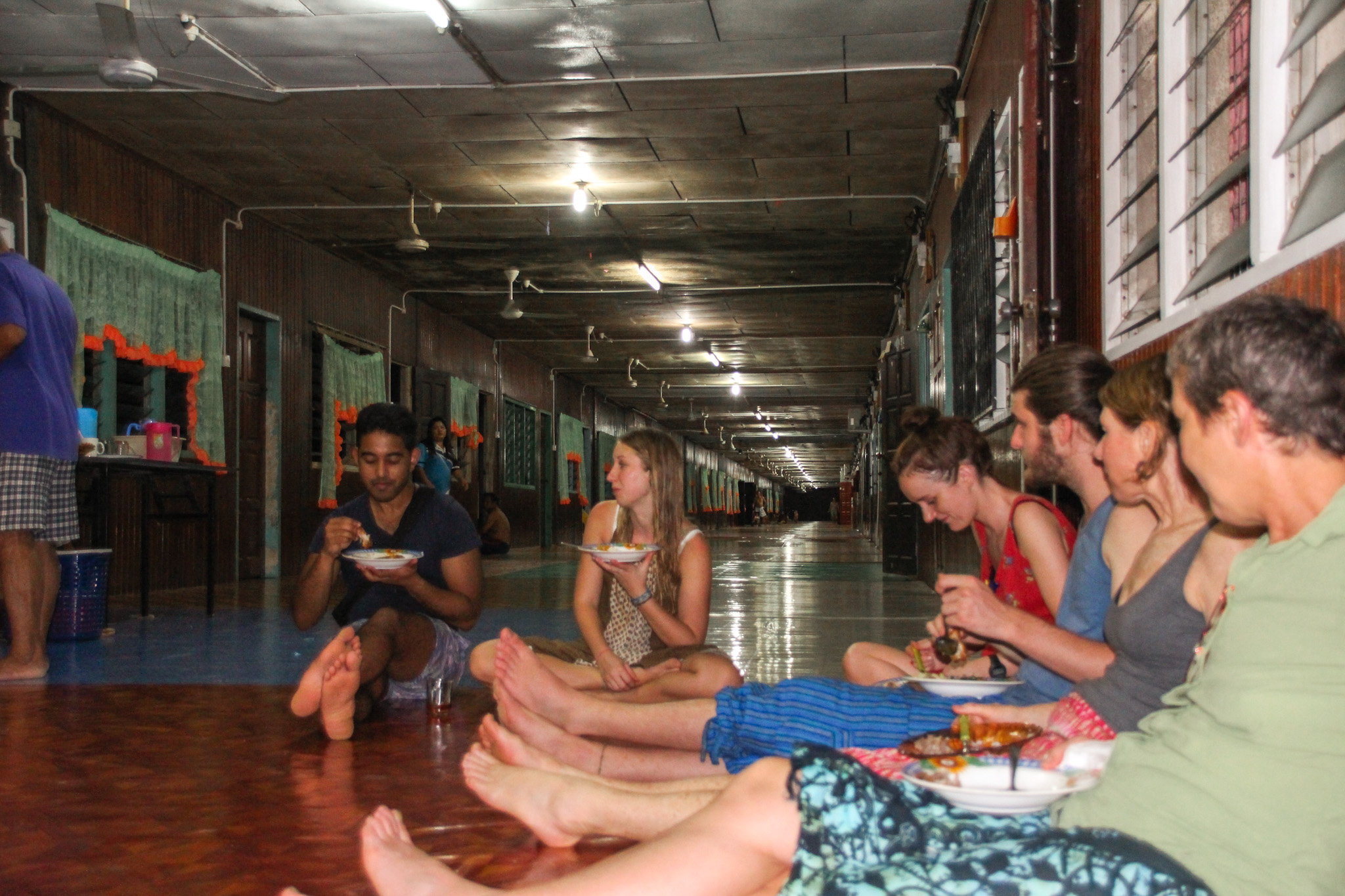
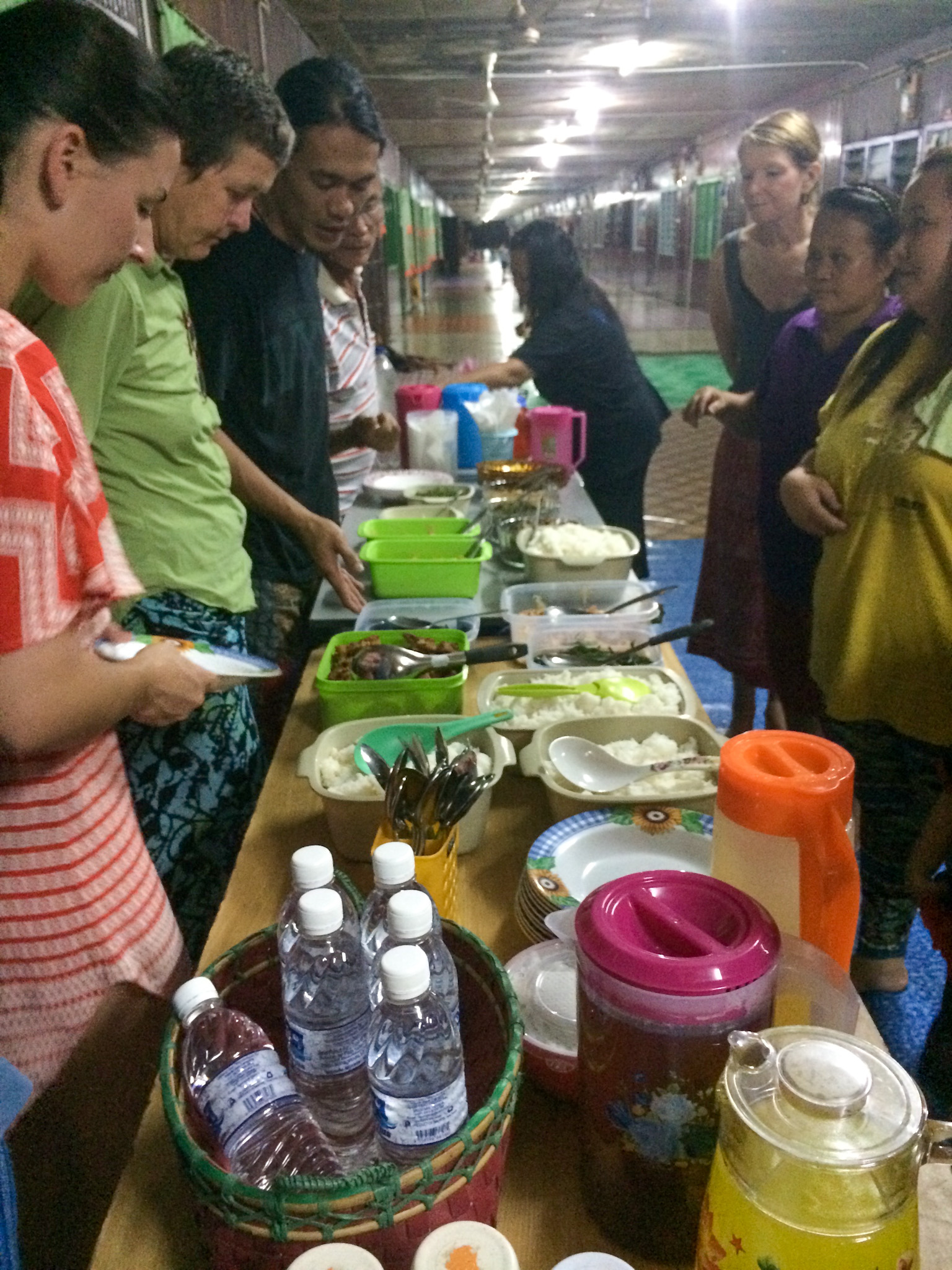
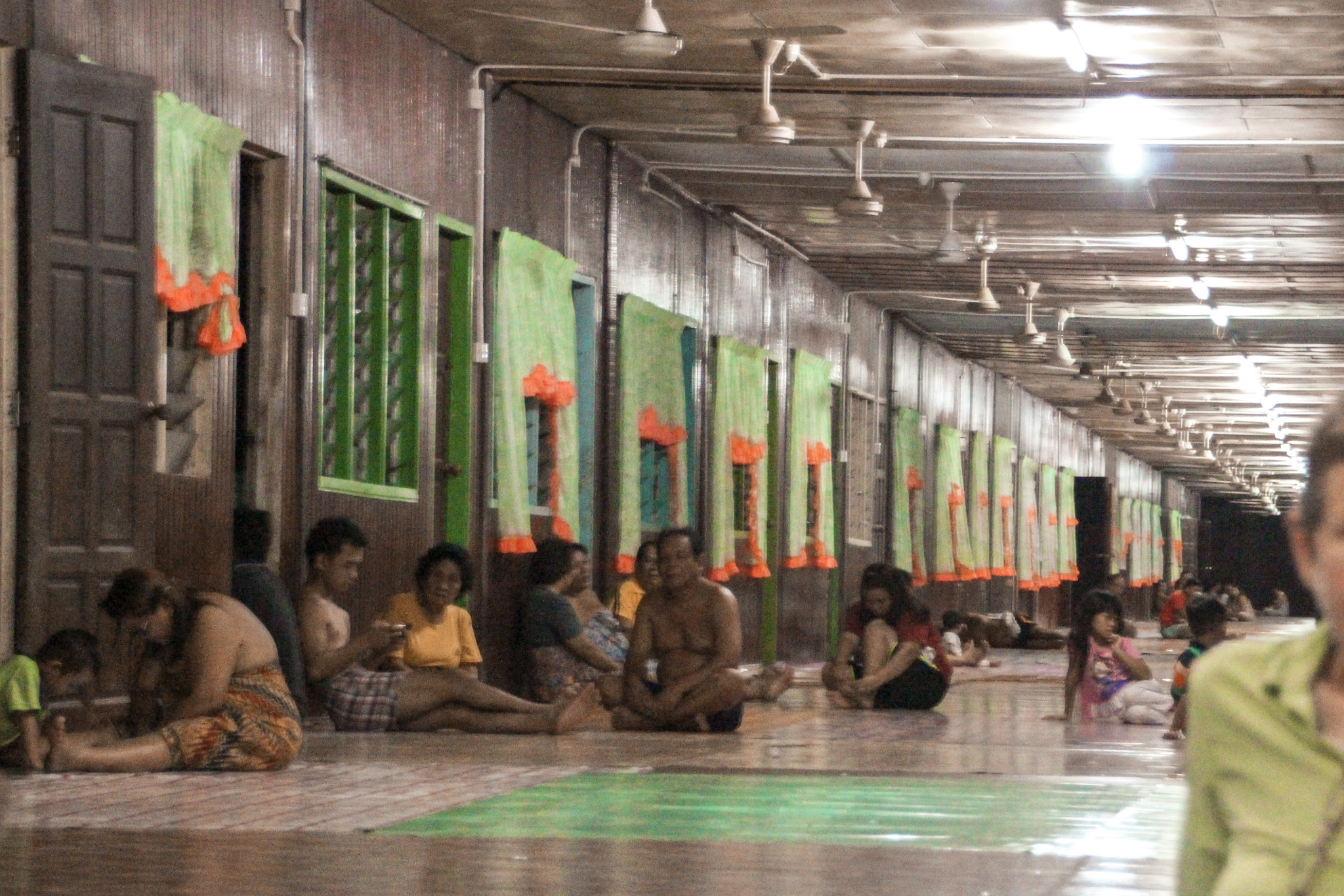
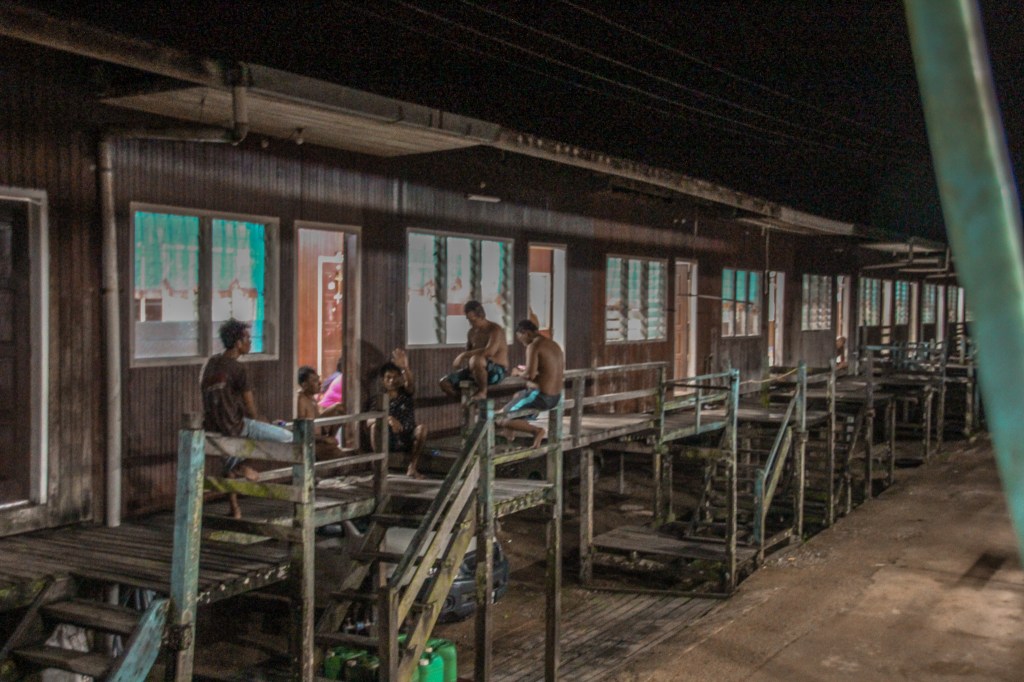
When we arrived at Niah National Park Headquarters, we got to see the skull that was found in this Niah Caves, which dates back 40,000 years and is the oldest modern, human fossil ever found. We then hiked 3.5 km to the Iban longhouse where we spent the night with a local family. The longhouse is an elongated wooden dwelling, which is built on stilts. It is designed to house multiple families under one roof. There is a large communal area, known as a ruai, which almost resembles a long, wide hallway. This is where we sat and ate with all the families. Off from this communal space are separate family homes. The Iban are an indigenous Dayak people and are historically known for being fierce warriors due to practising headhunting.
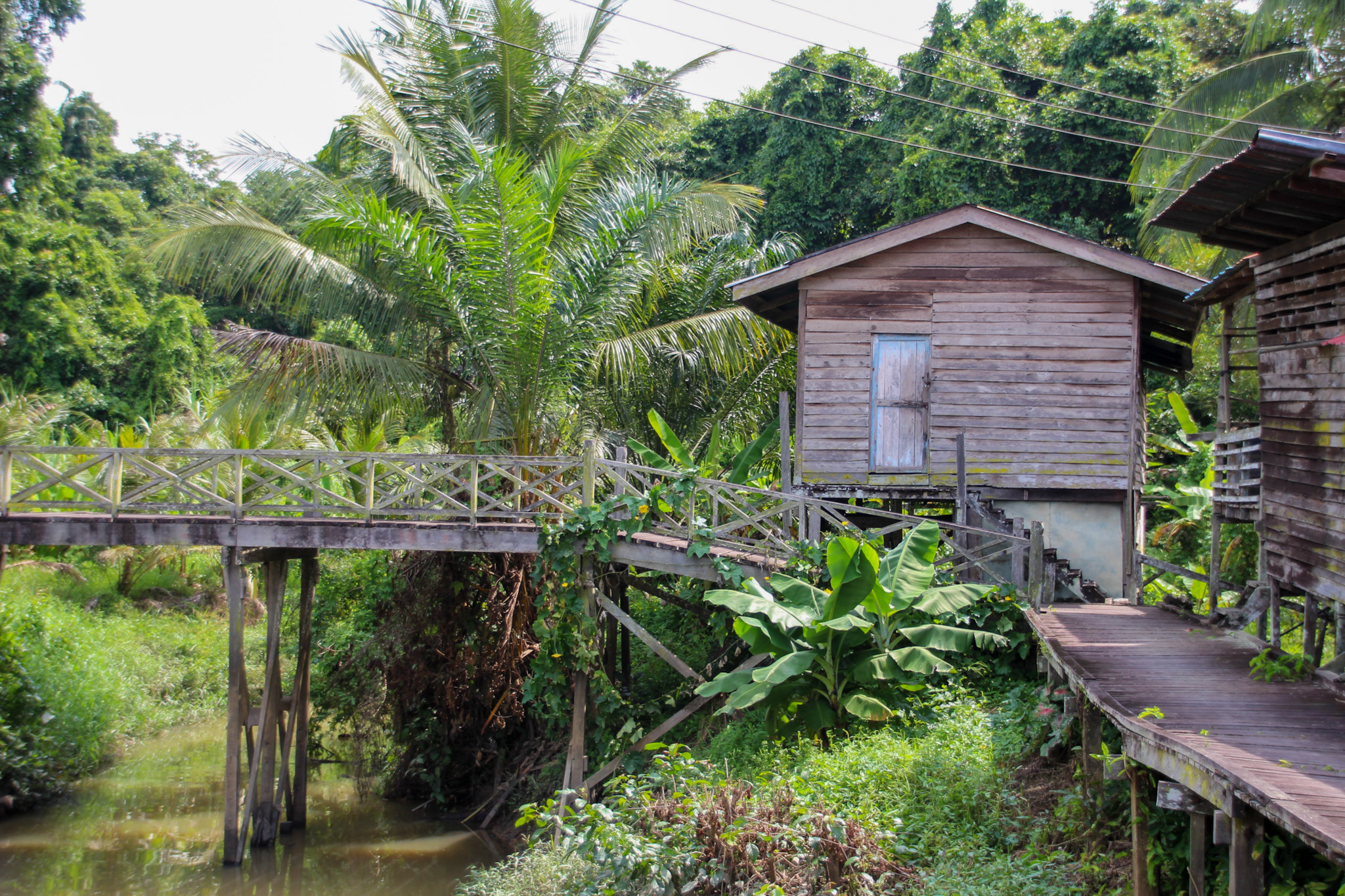
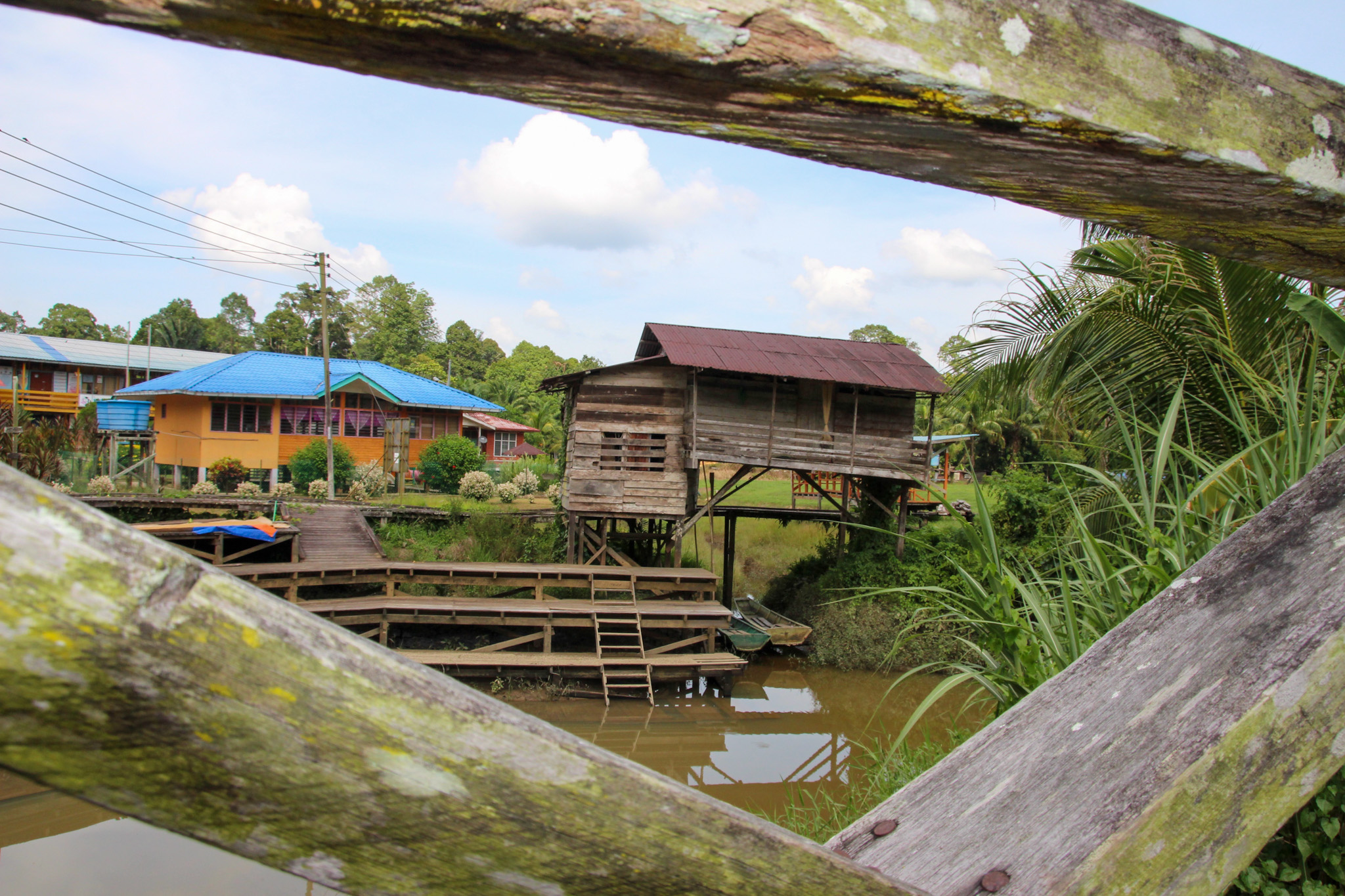
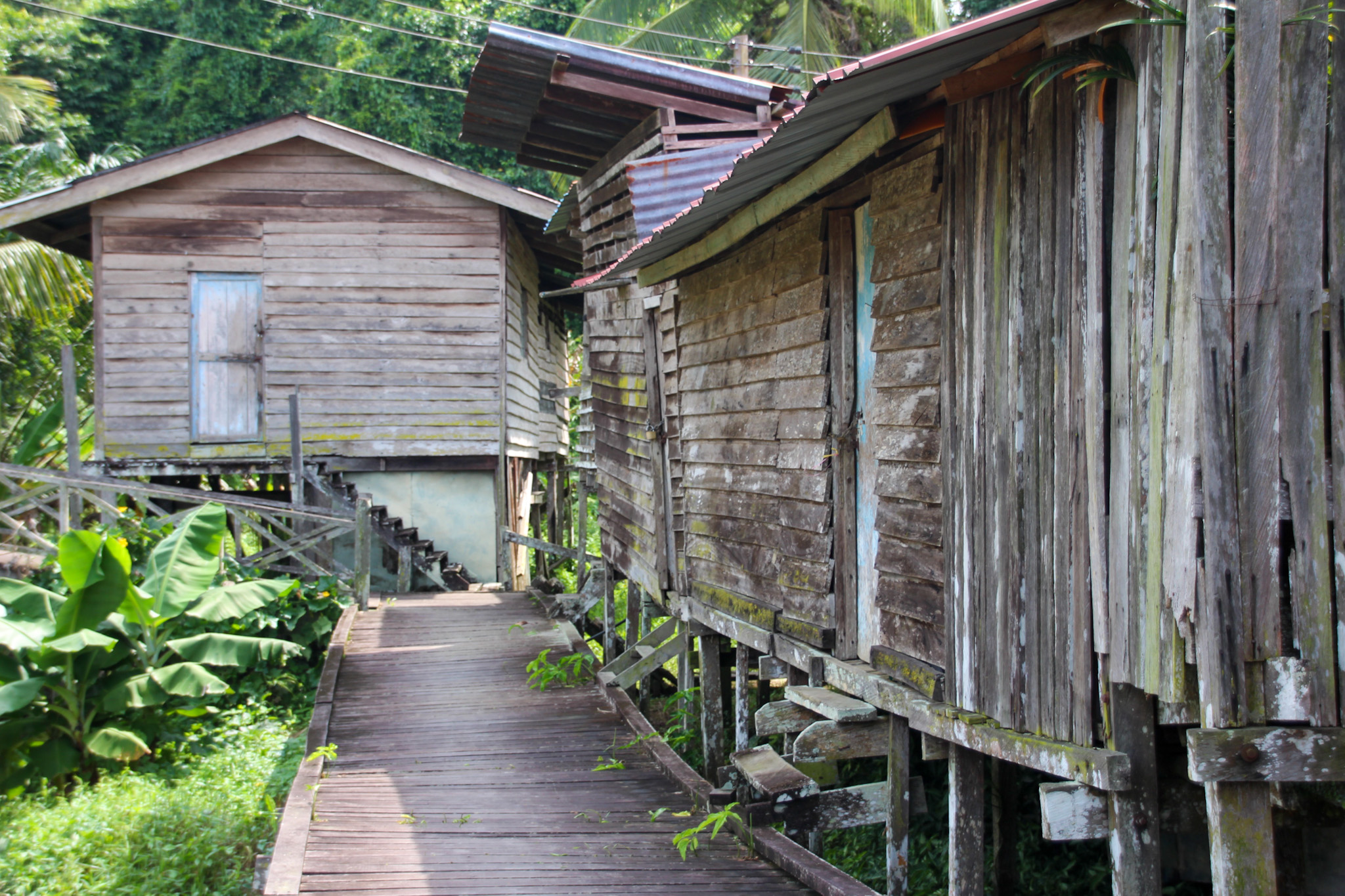
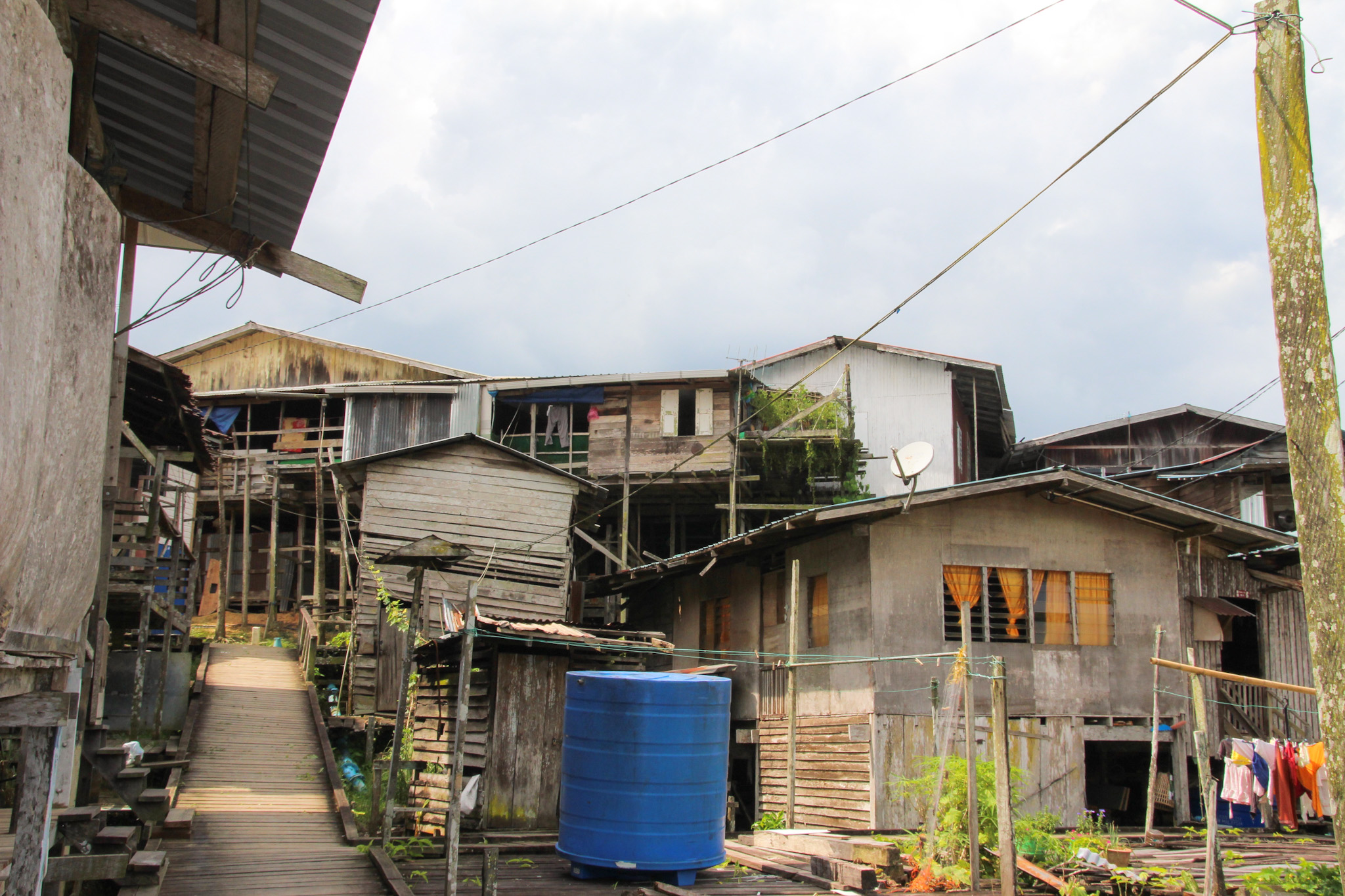
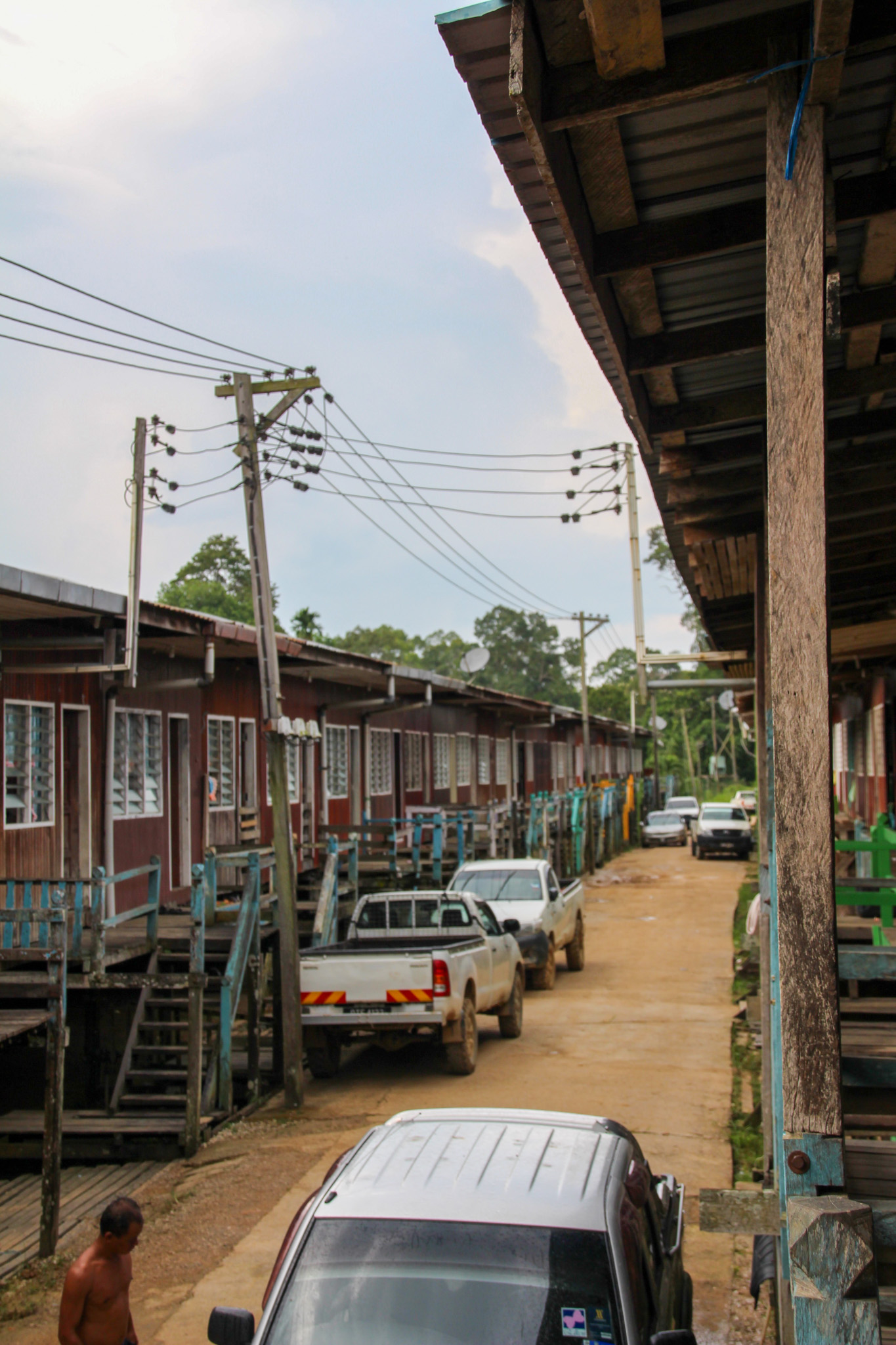
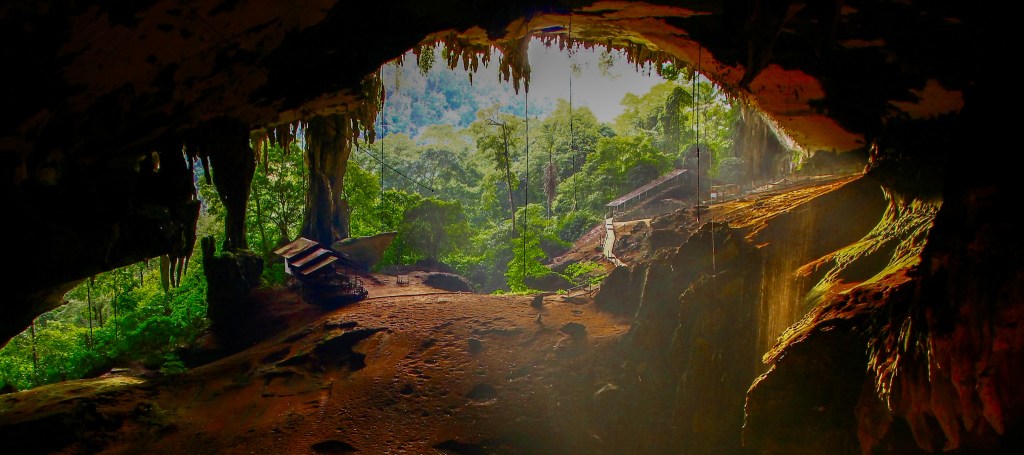
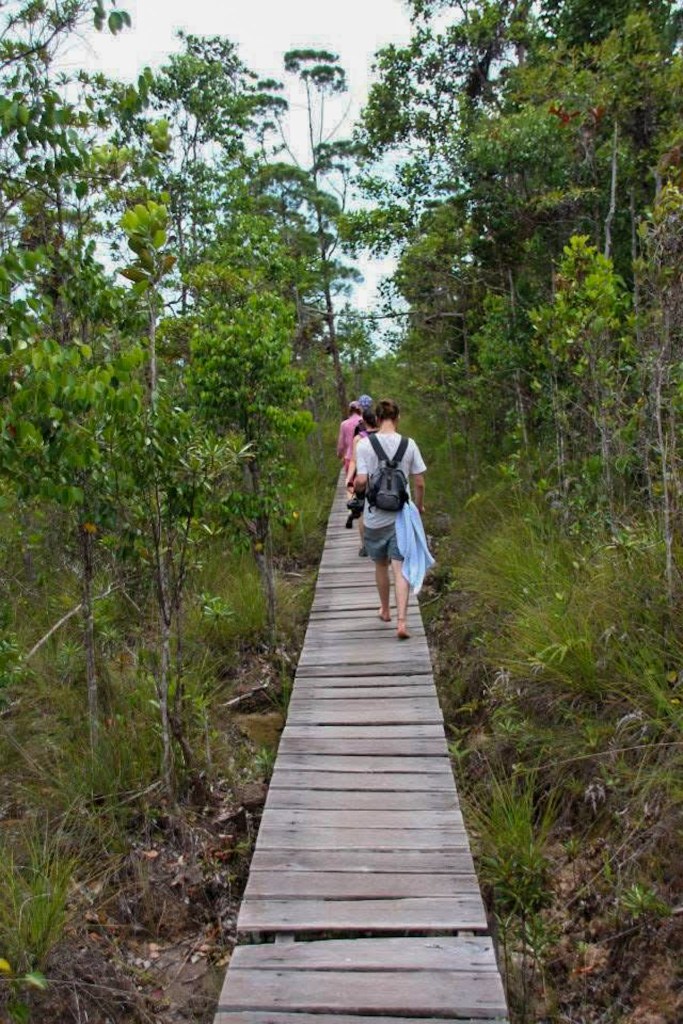
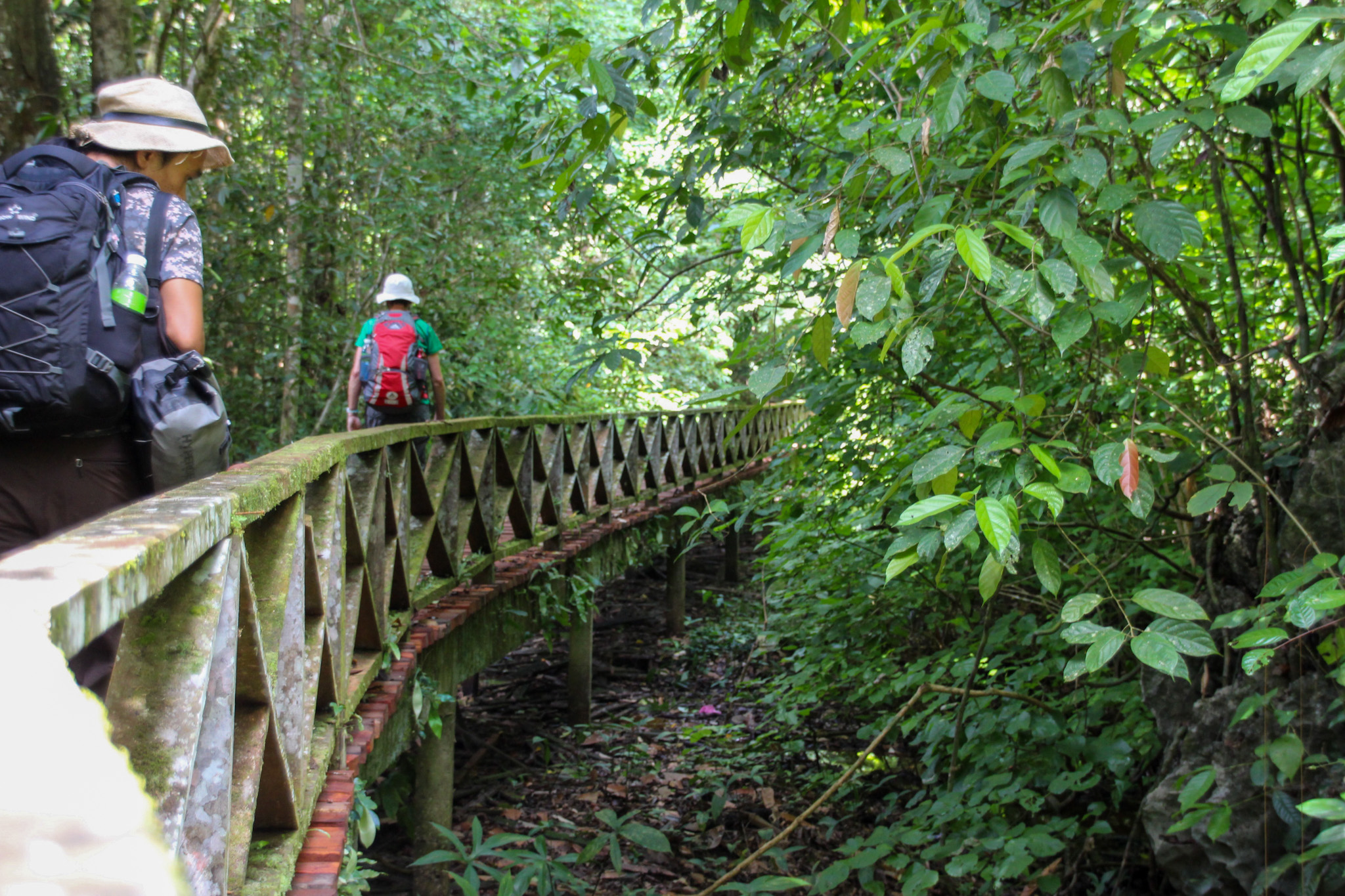
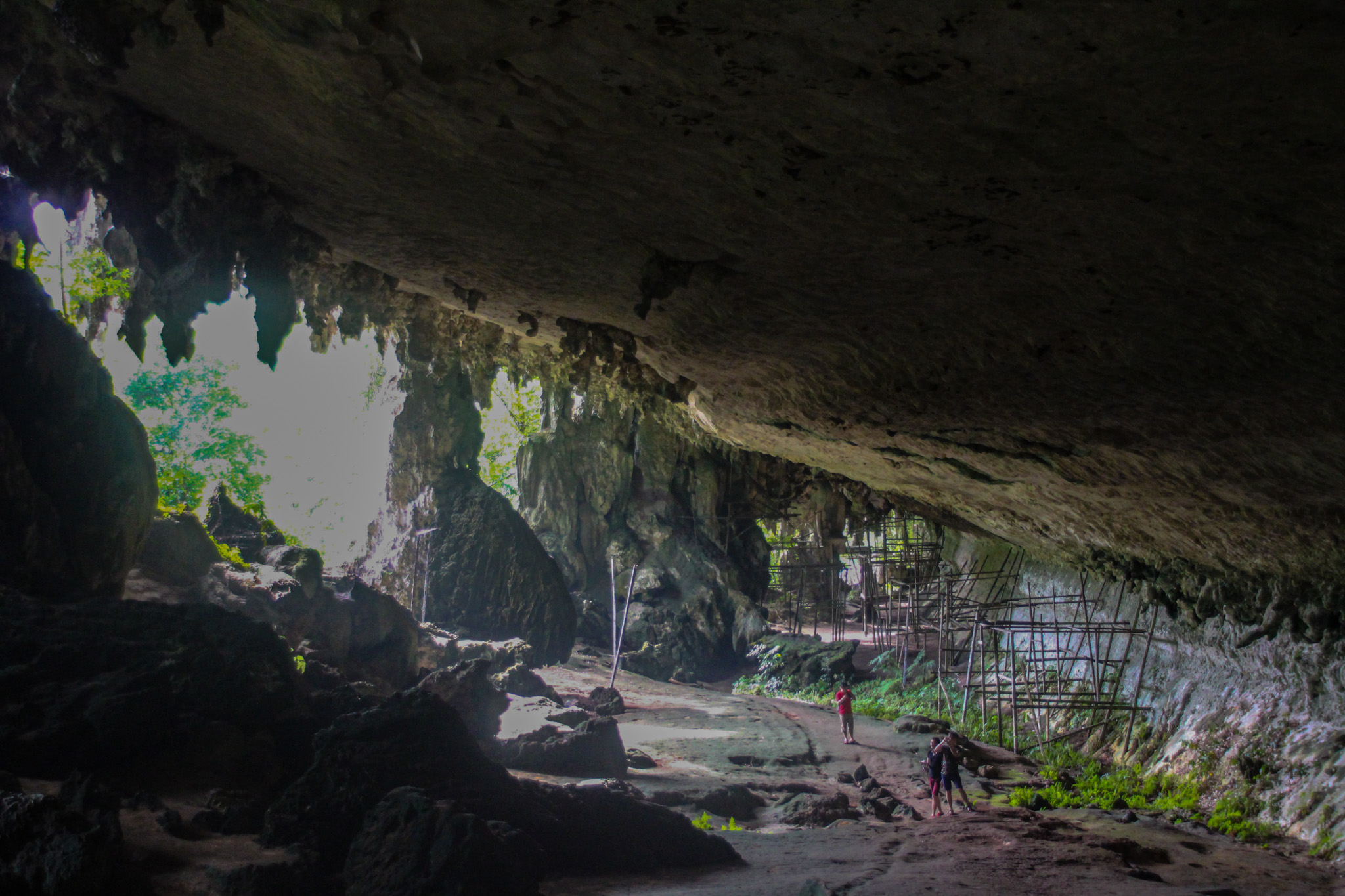
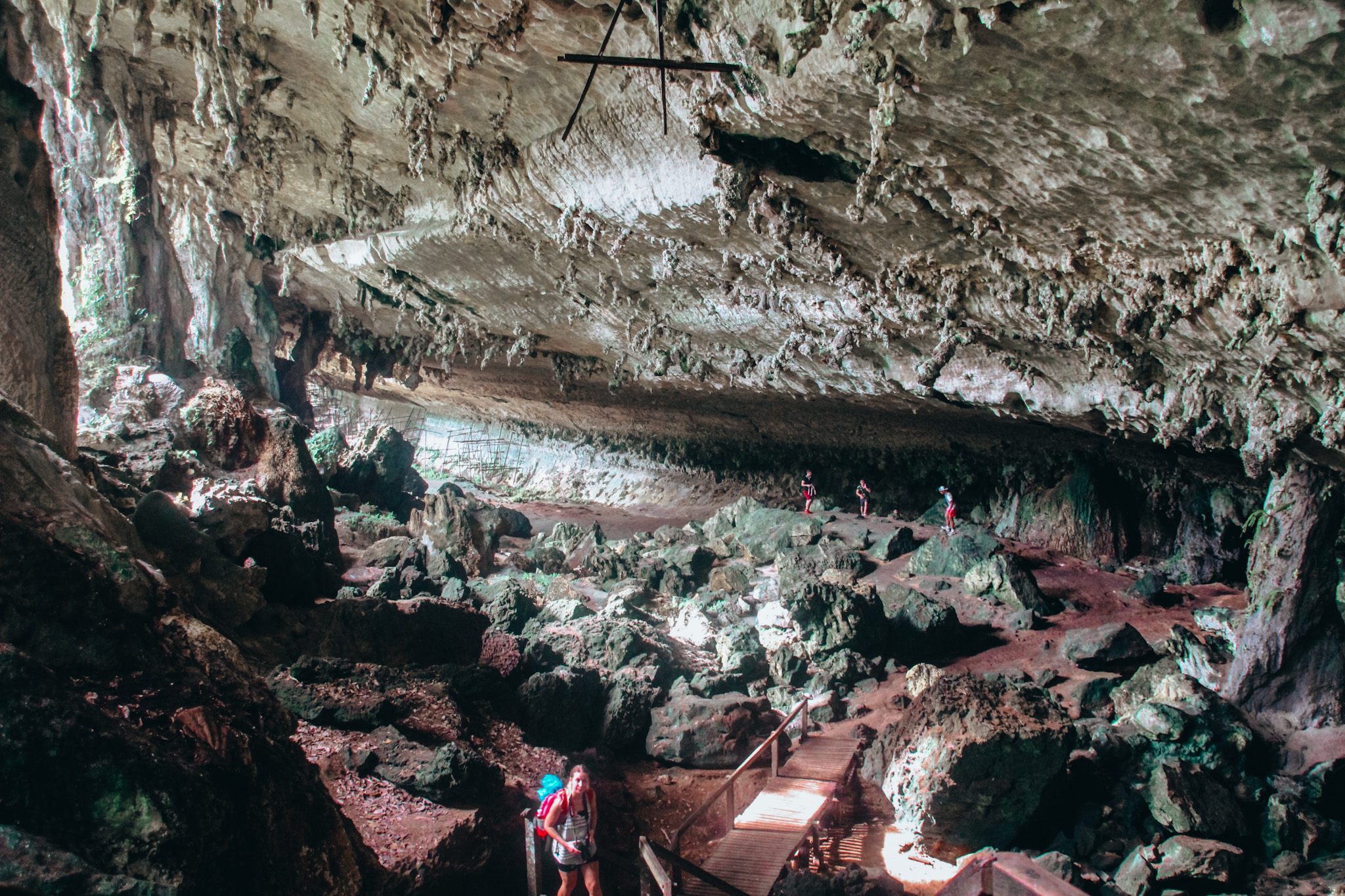
From here, we ventured out to explore the famous, Great Cave at Niah. This cave is known for having the largest cave entrance and housed human life 40,000 years ago. There is evidence from the palaeolithic and neolithic eras found in burial sites in the area. The enormous size of this cave mouth is a spectacular site, with 60 metre high walls, 250 m wide and its floor area covering 10.5 hectares. To get to the cave we walked along fairytale like jungle trails, some areas were covered with planks, which were covered in moss. We sited many colourful insects and greenery along the way. Once we were deep inside the cave, we turned off our torches and listened in to the sounds of nature in an eerie silence.
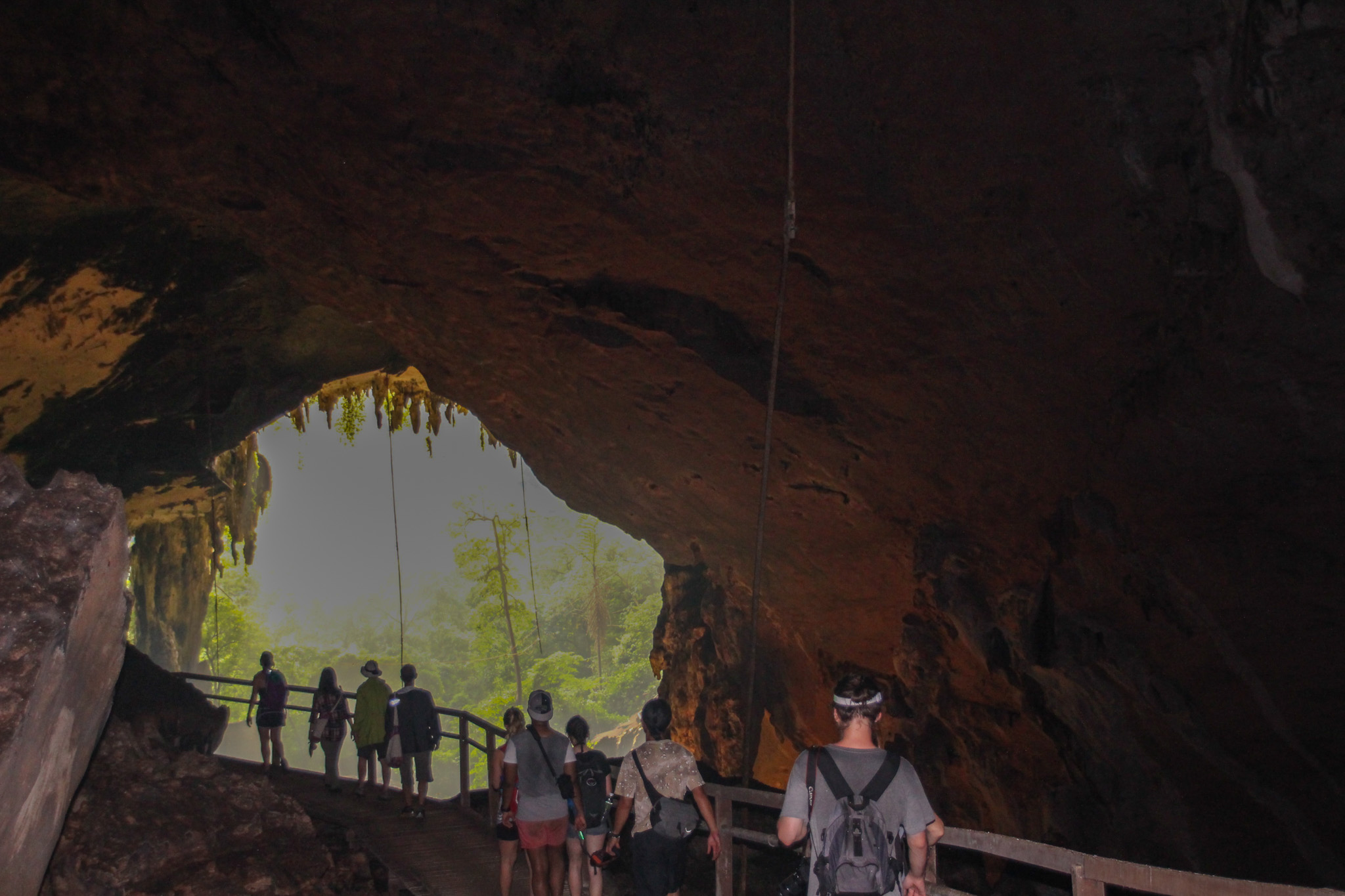
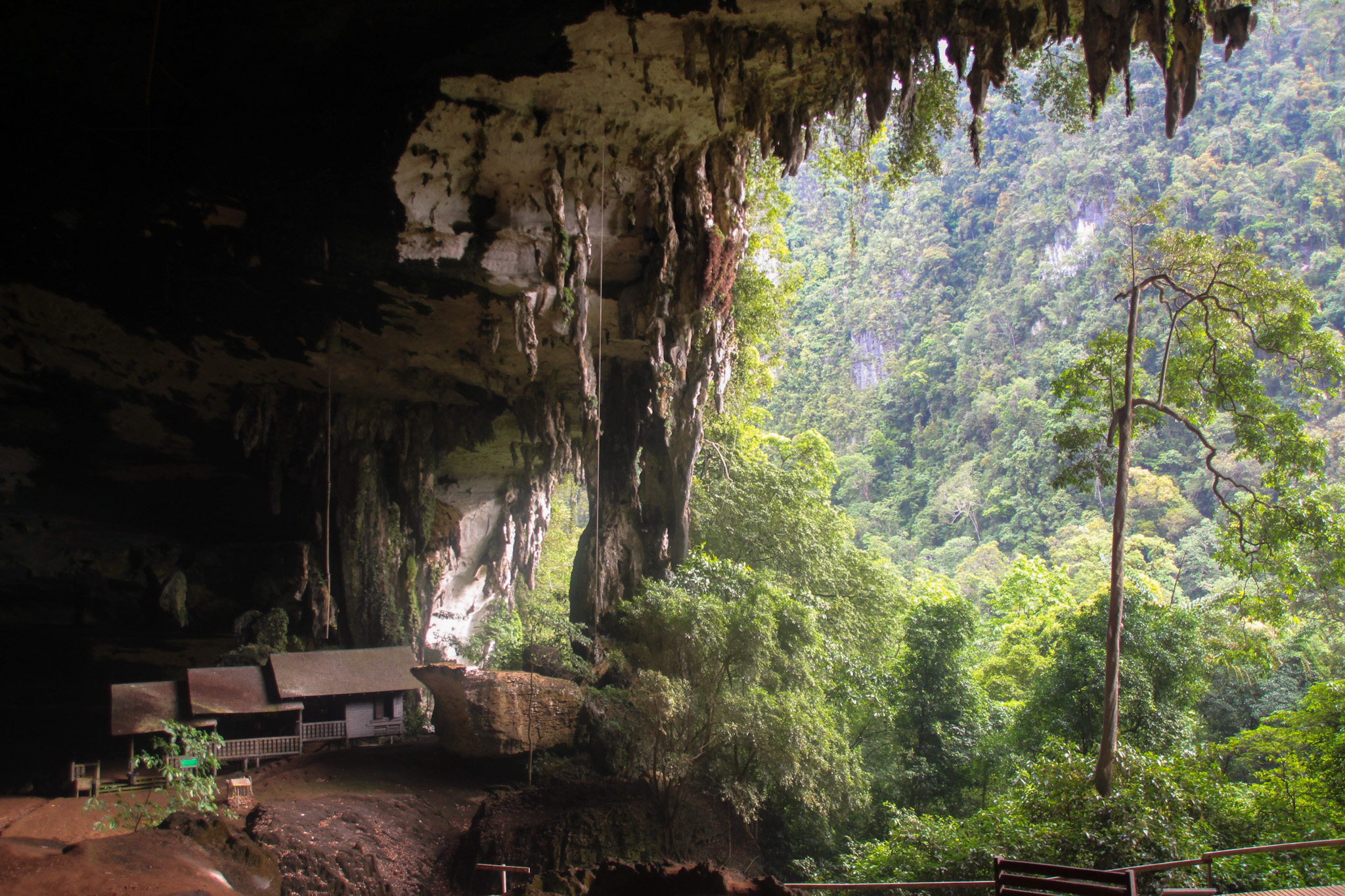
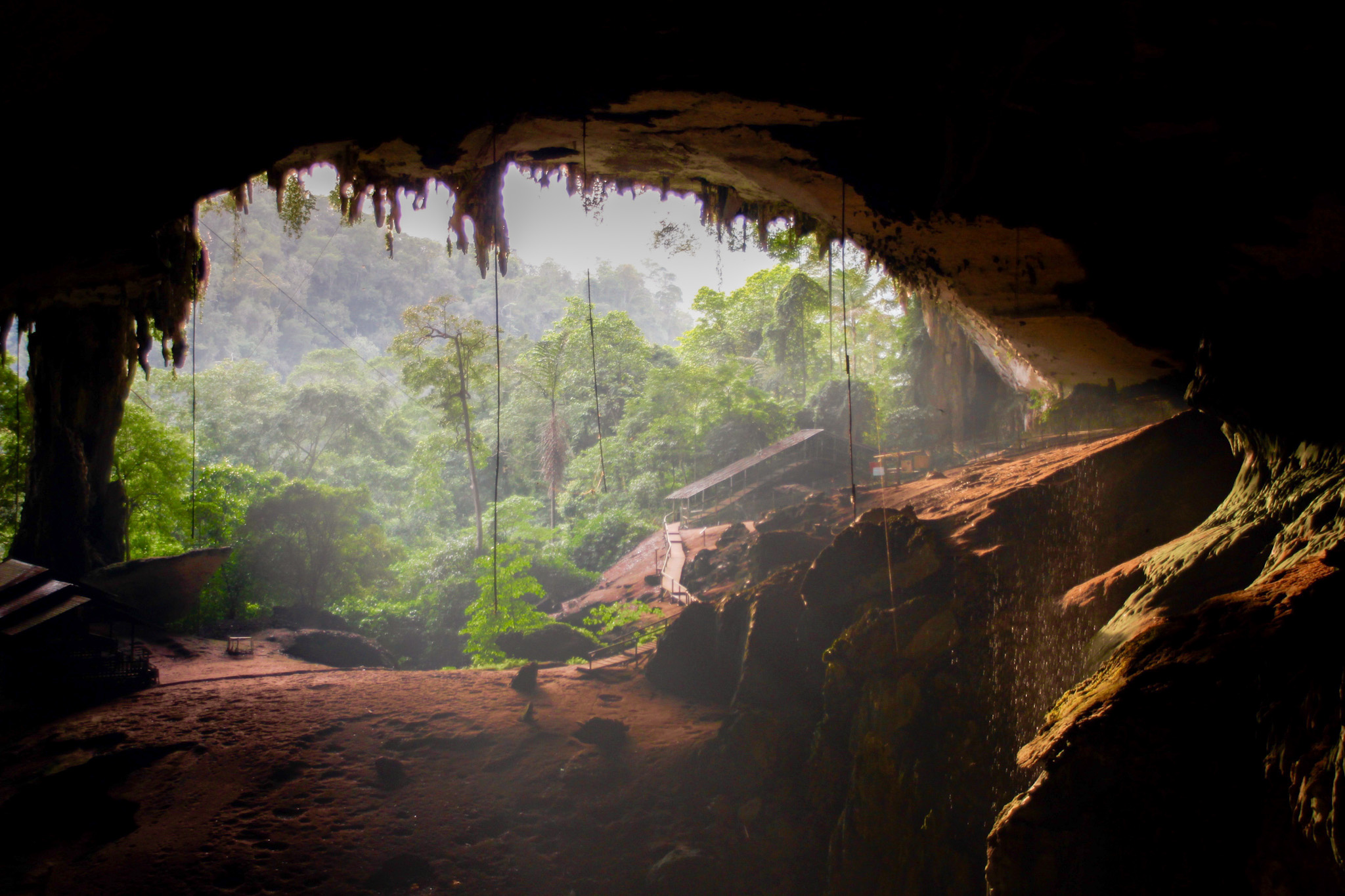
Before heading back to the Iban Longhouse, we stopped to see a smaller cave, known as the Painted Cave. This cave is known as a burial ground and it is where you can see ancient paintings of red human figures on the cave walls with boat shaped coffins.
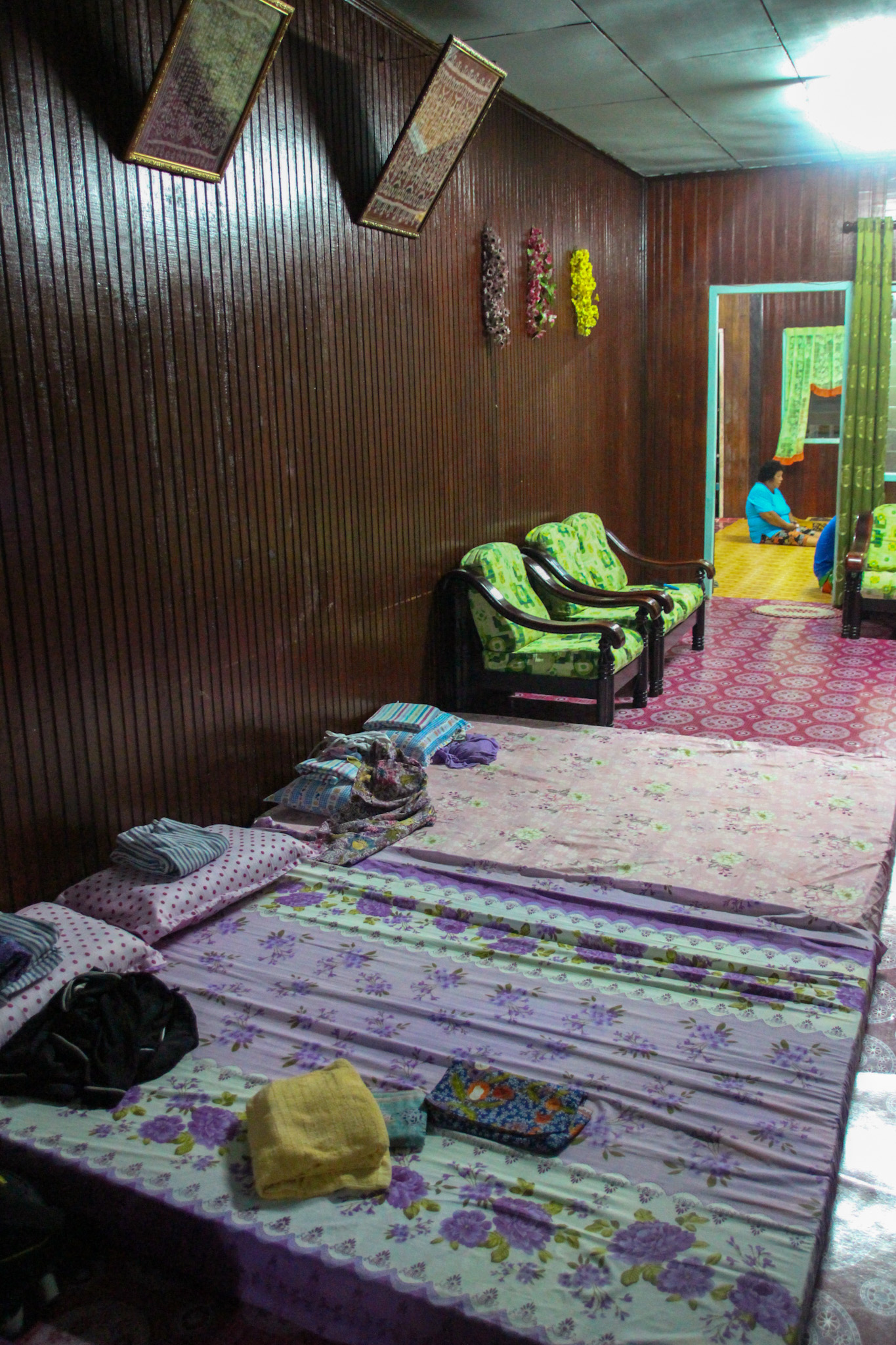
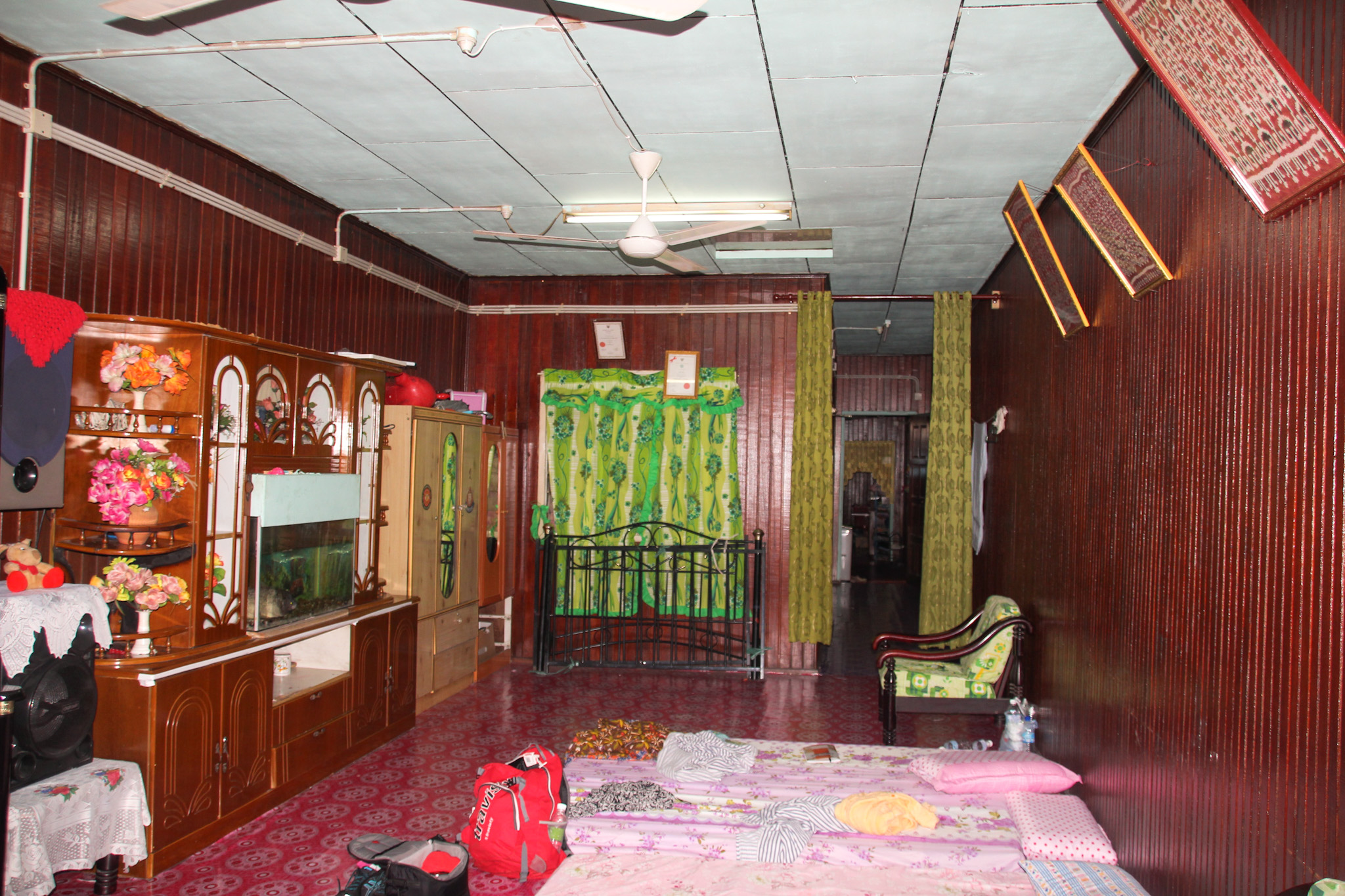
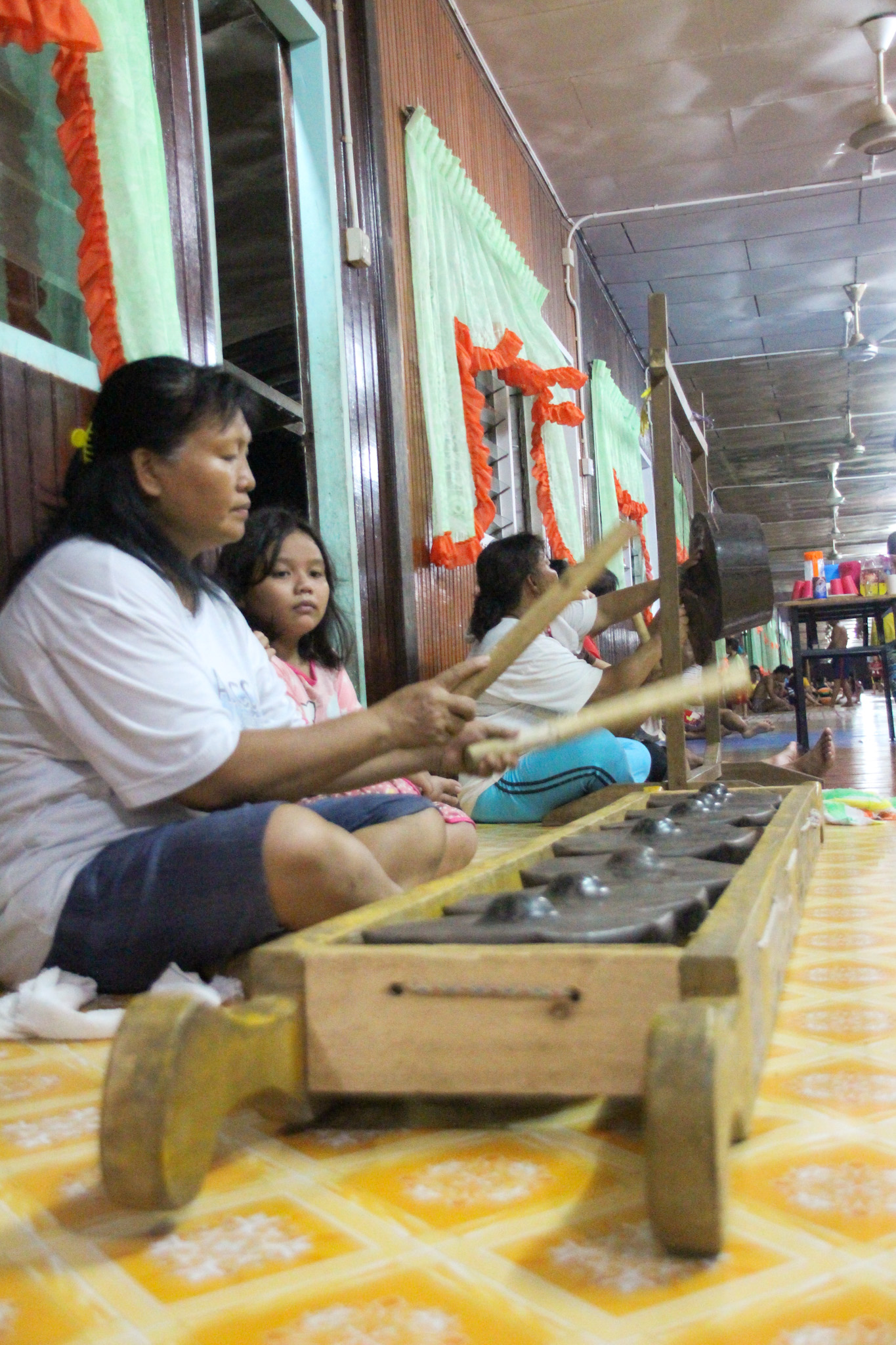
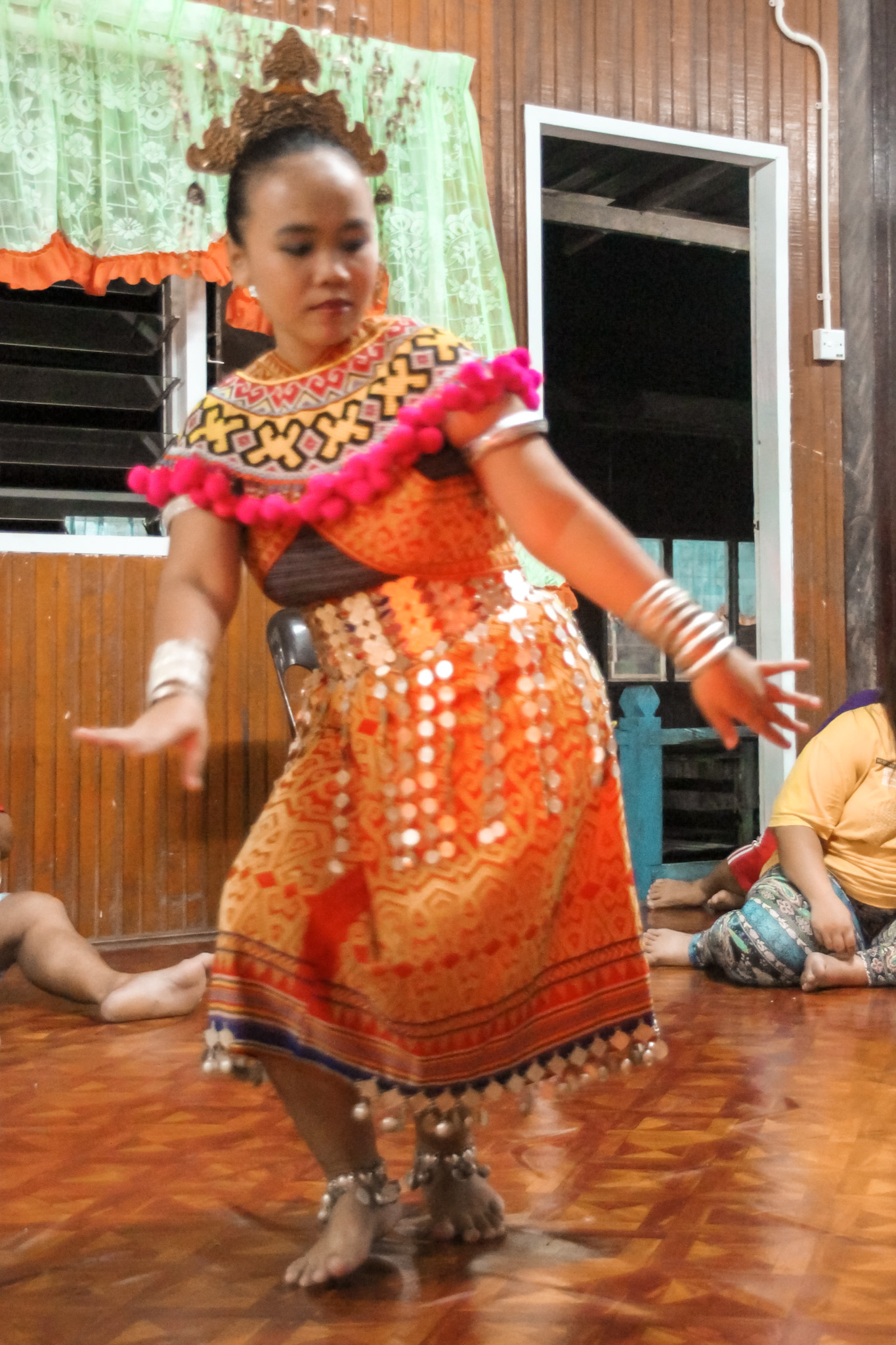
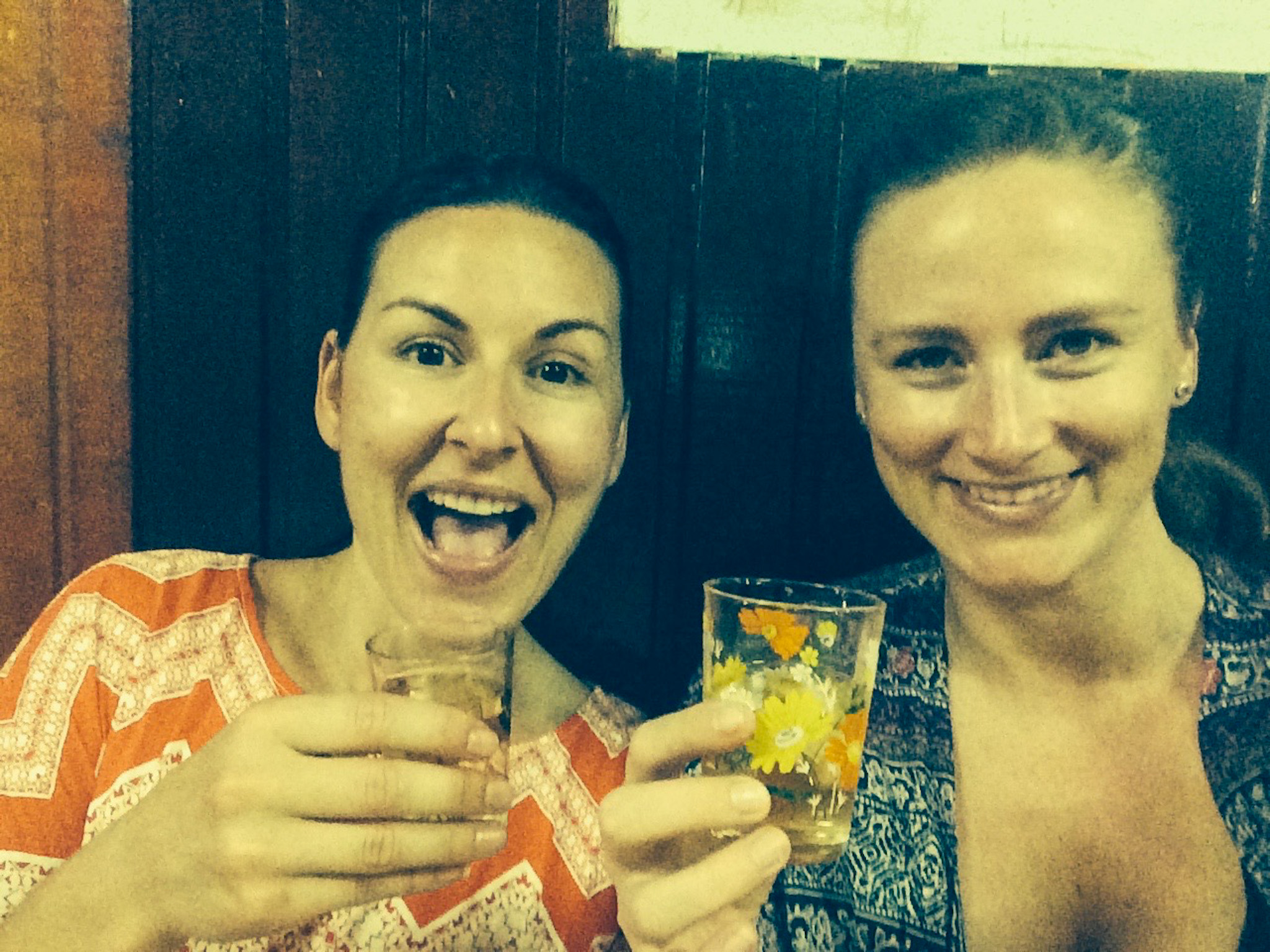
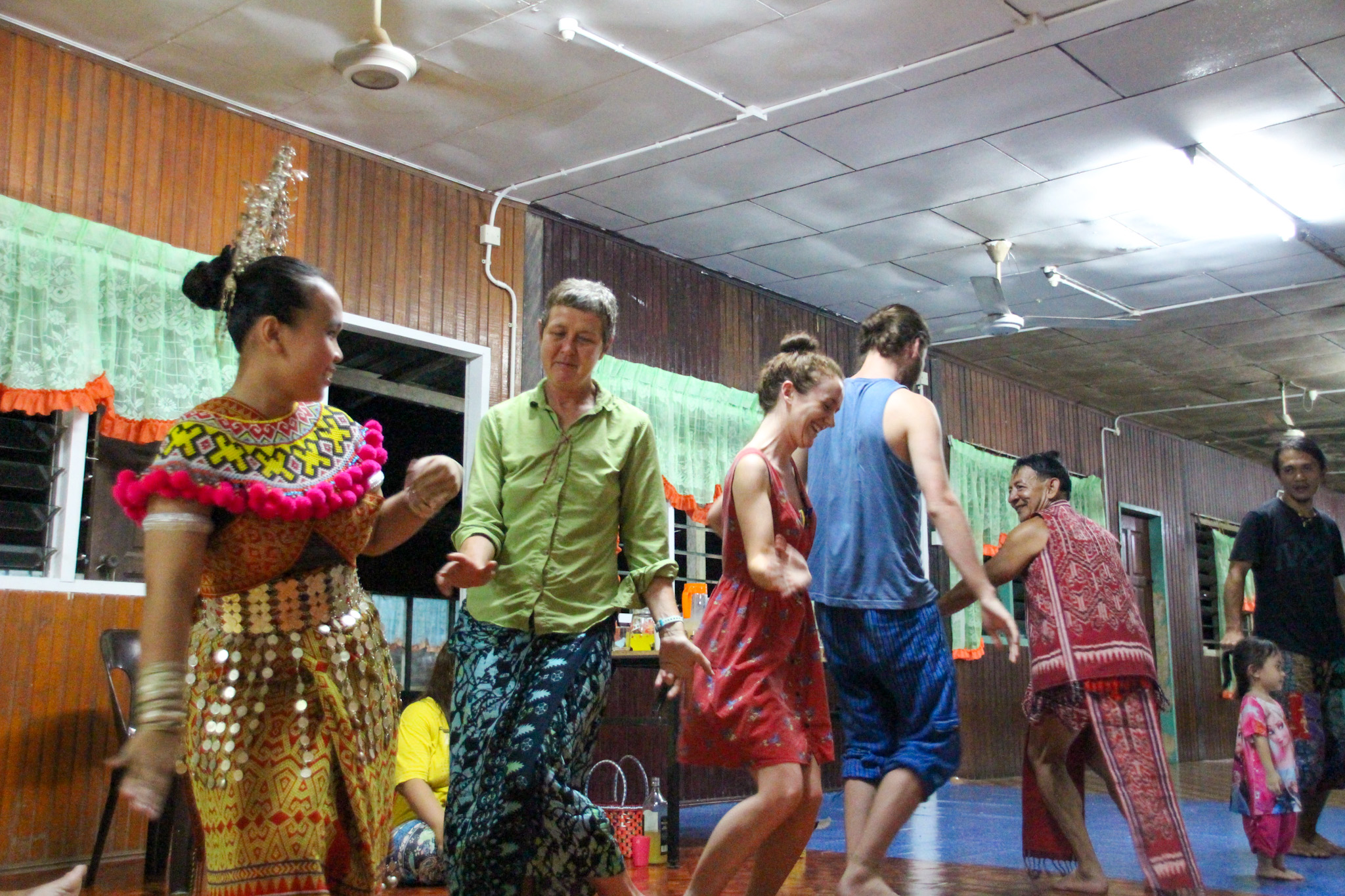
When we returned to the longhouse, our hosts made a traditional feast for us and whilst we sat on the floor to eat they performed a cultural dance, known as Ngajat dance. We were able to share traditional home brewed rice wine, known as Tuak, which was really strong!! The living quarters were not very big. We were able to shower in a room at the back of the house and our bedding consisted of mattresses on the lounge room floor.
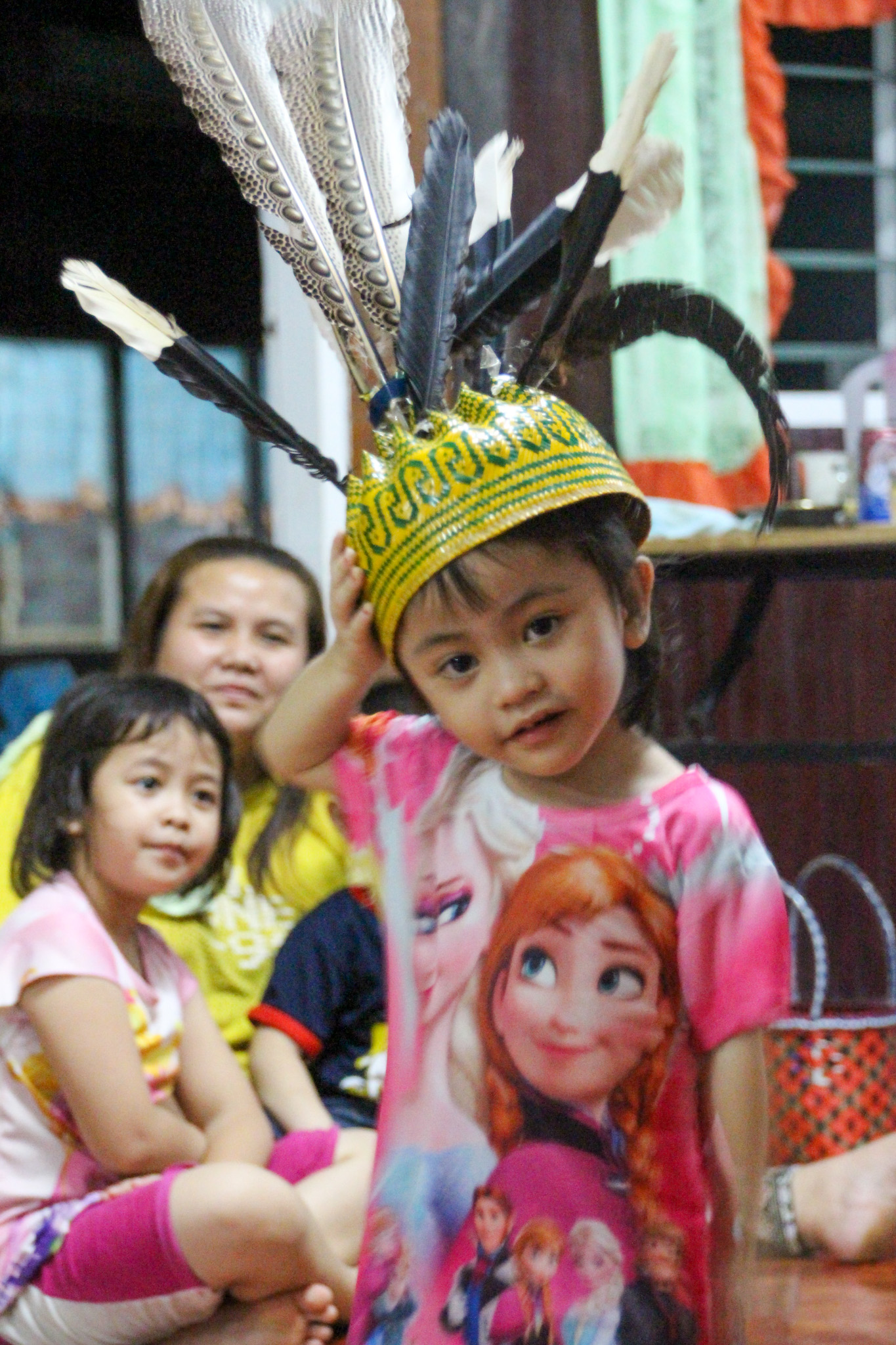
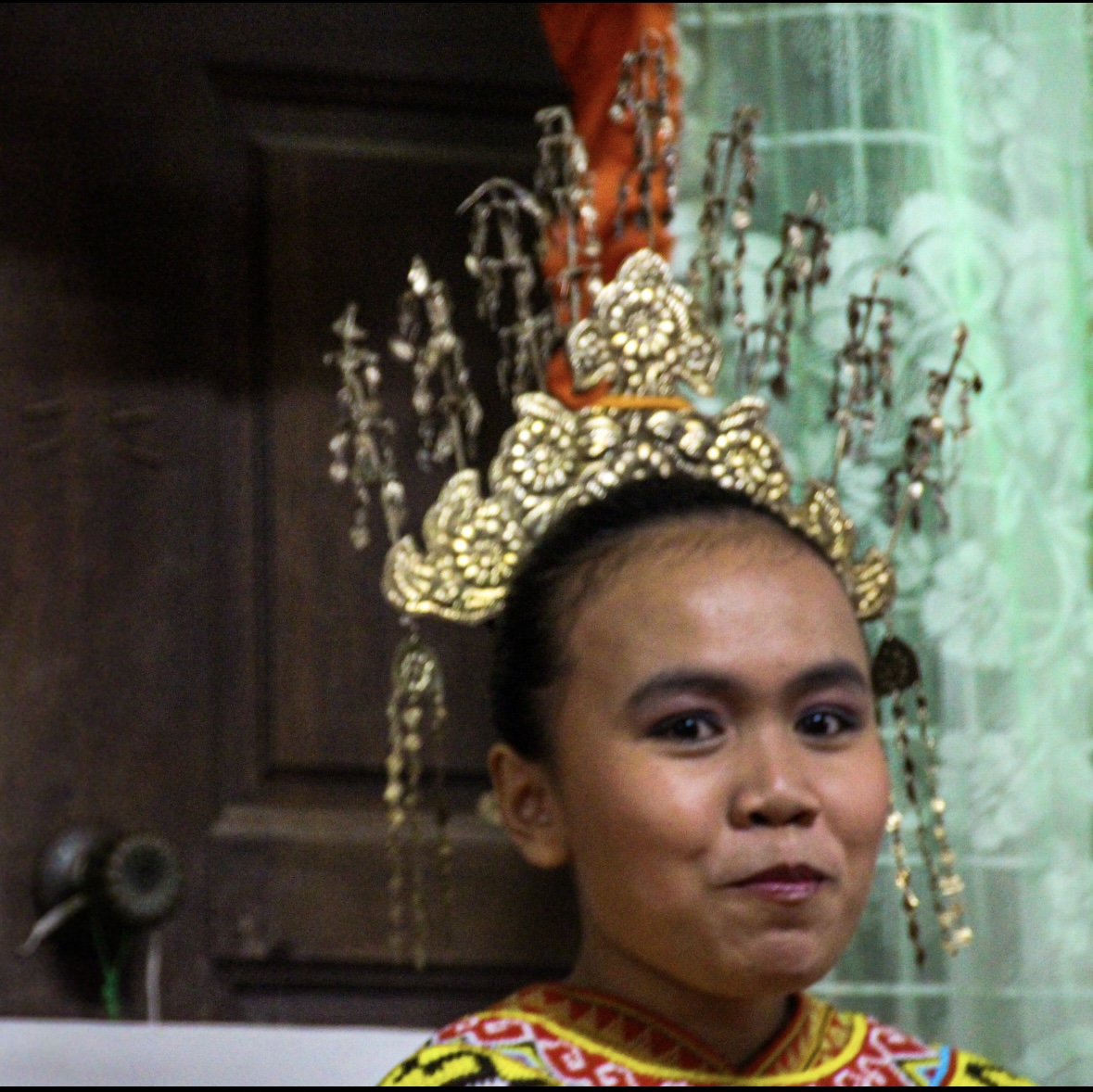
Before bed, one of the family members caught a bat and brought it home. I was glad that wasn’t on our menu for the night but it still showed how competent they are at hunting.
Day 5: Mulu National Park
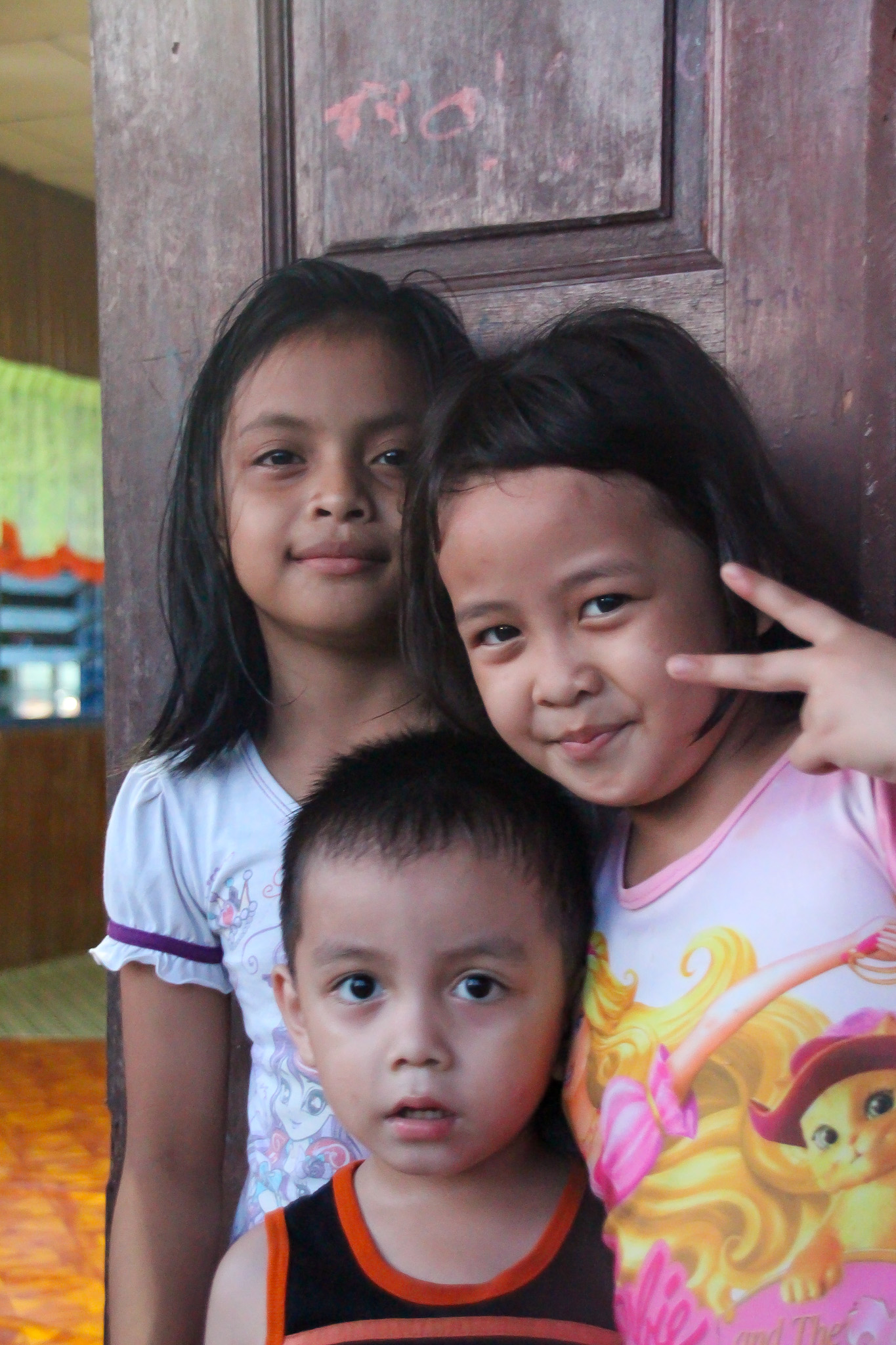
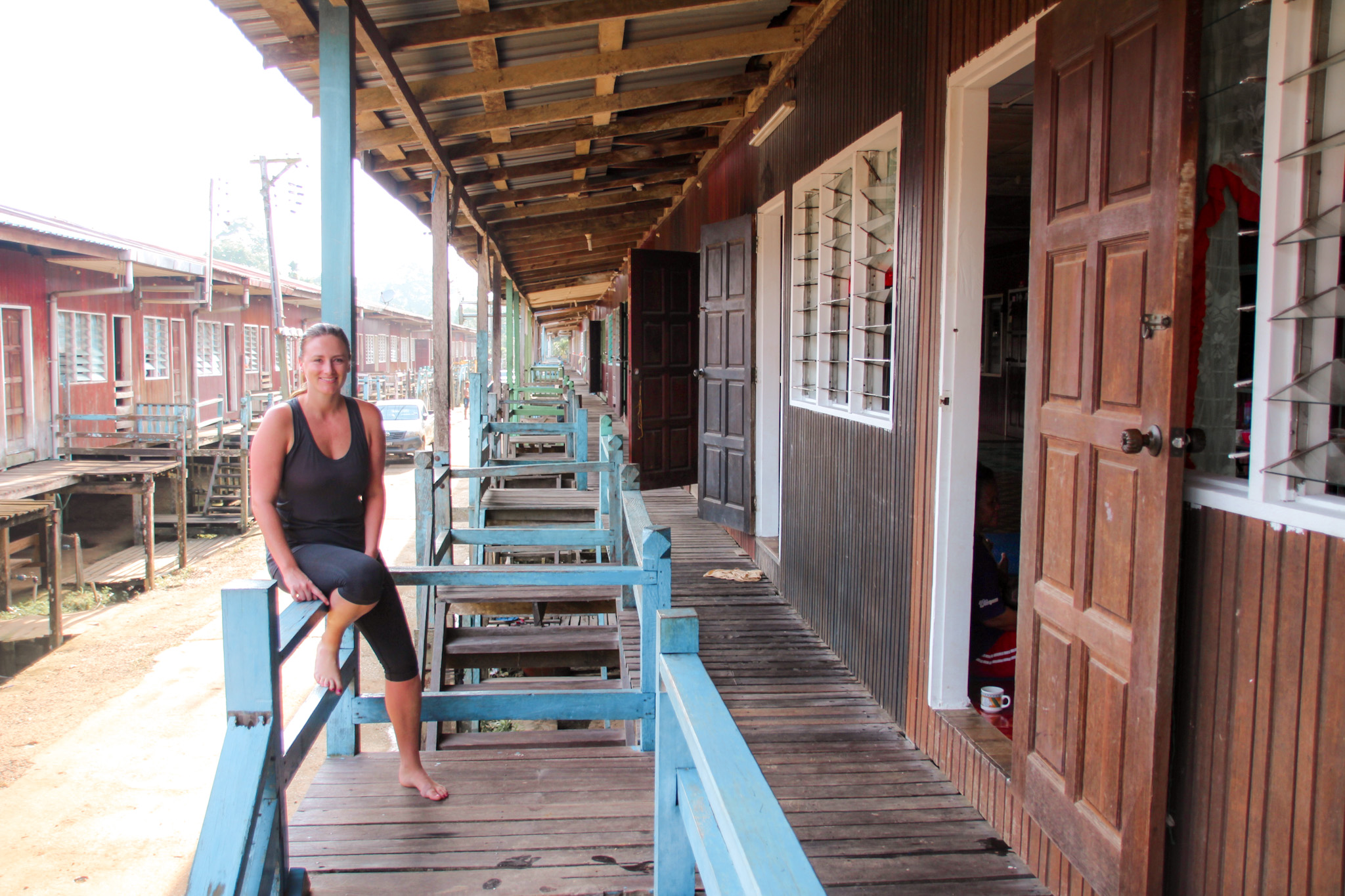
This morning we woke to the stillness of our surrounds. We were really amongst a culture that were not affected by modern society and it was an experience I will treasure forever. If you do ever make it to Borneo, I highly recommend spending a night within this tribal community to get a real sense of their culture.
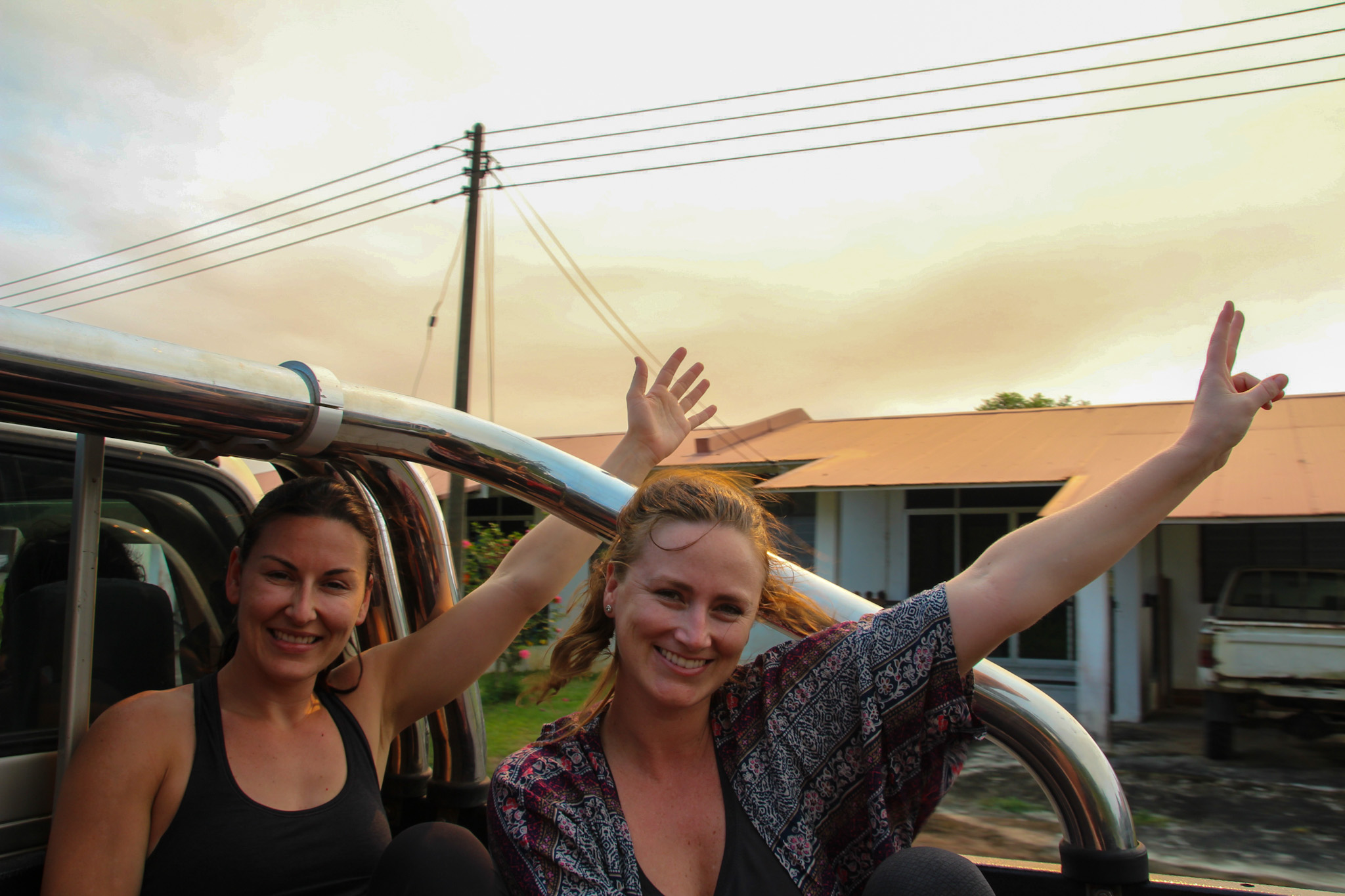
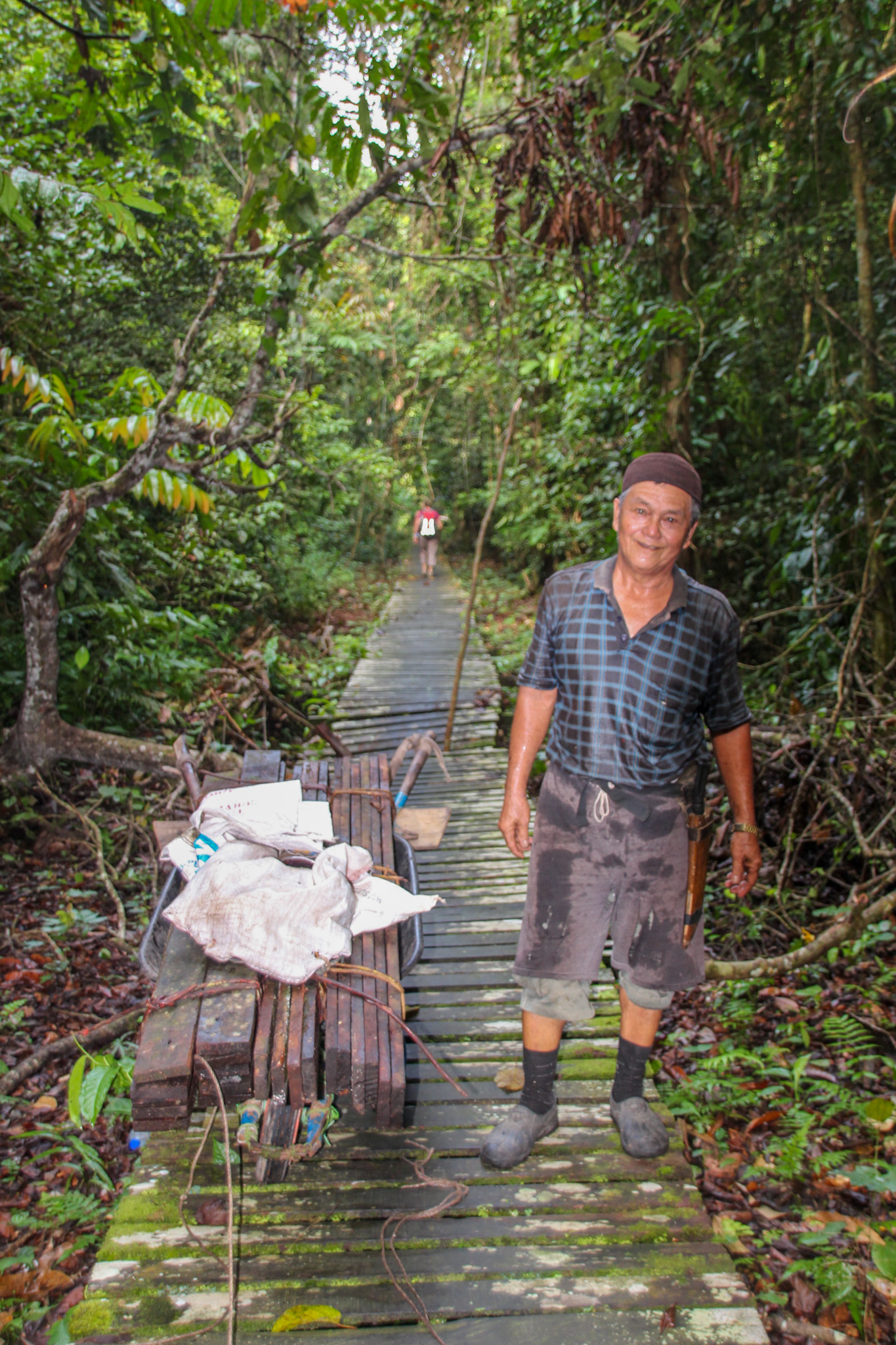
It took 1 hour to hike back to Niah National Park Headquarters before making our way to Miri Airport, where we caught a very quick 30 minute flight to a UNESCO World Heritage site, Gunung Mulu National Park.
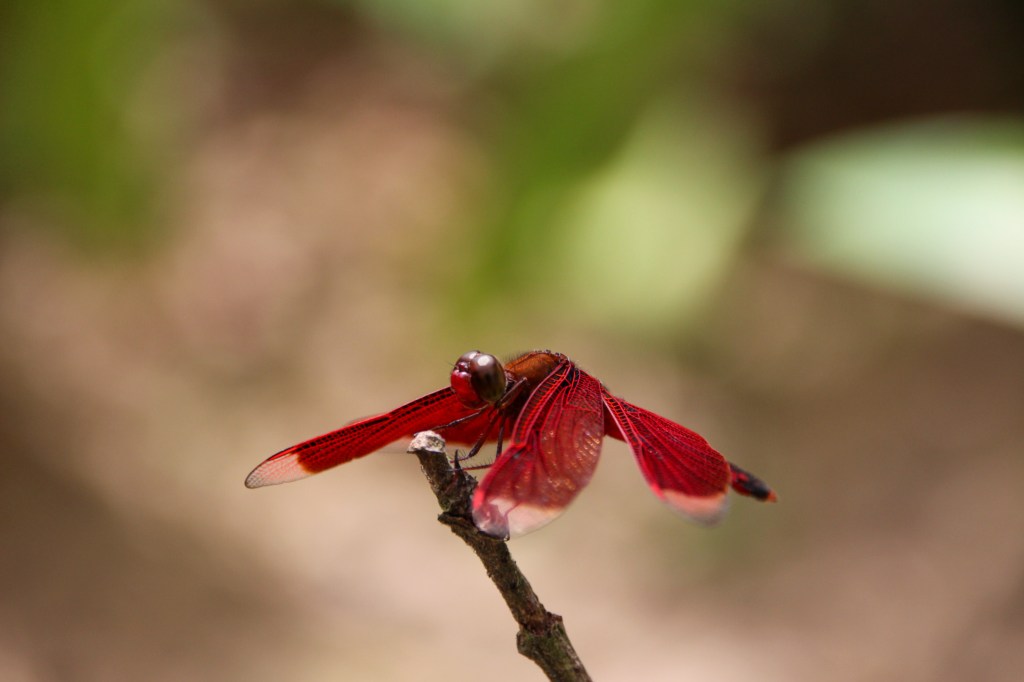
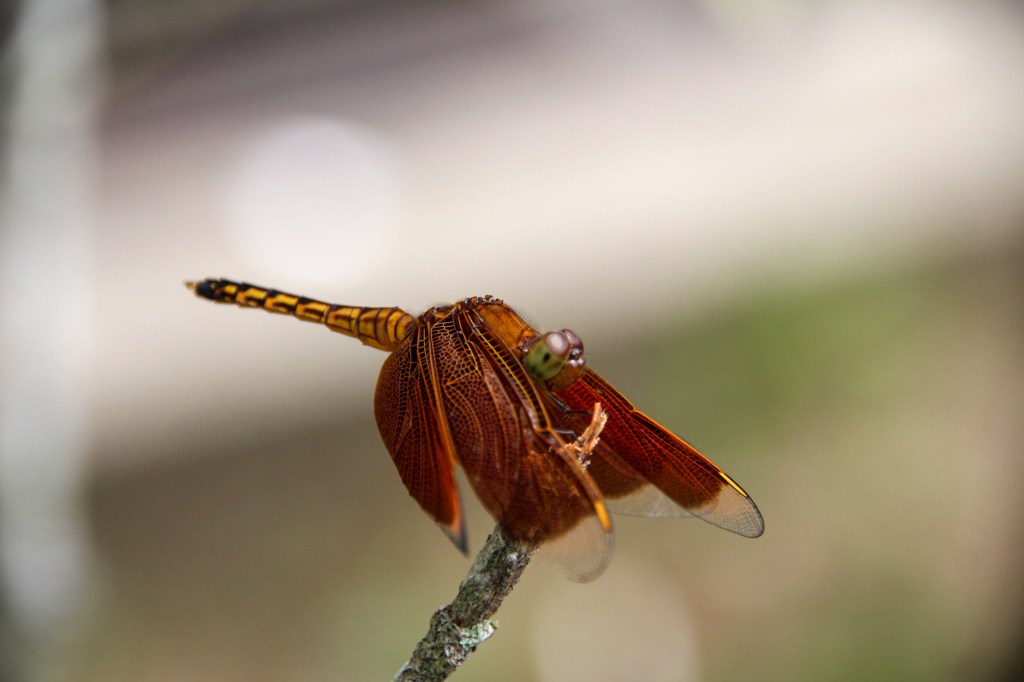
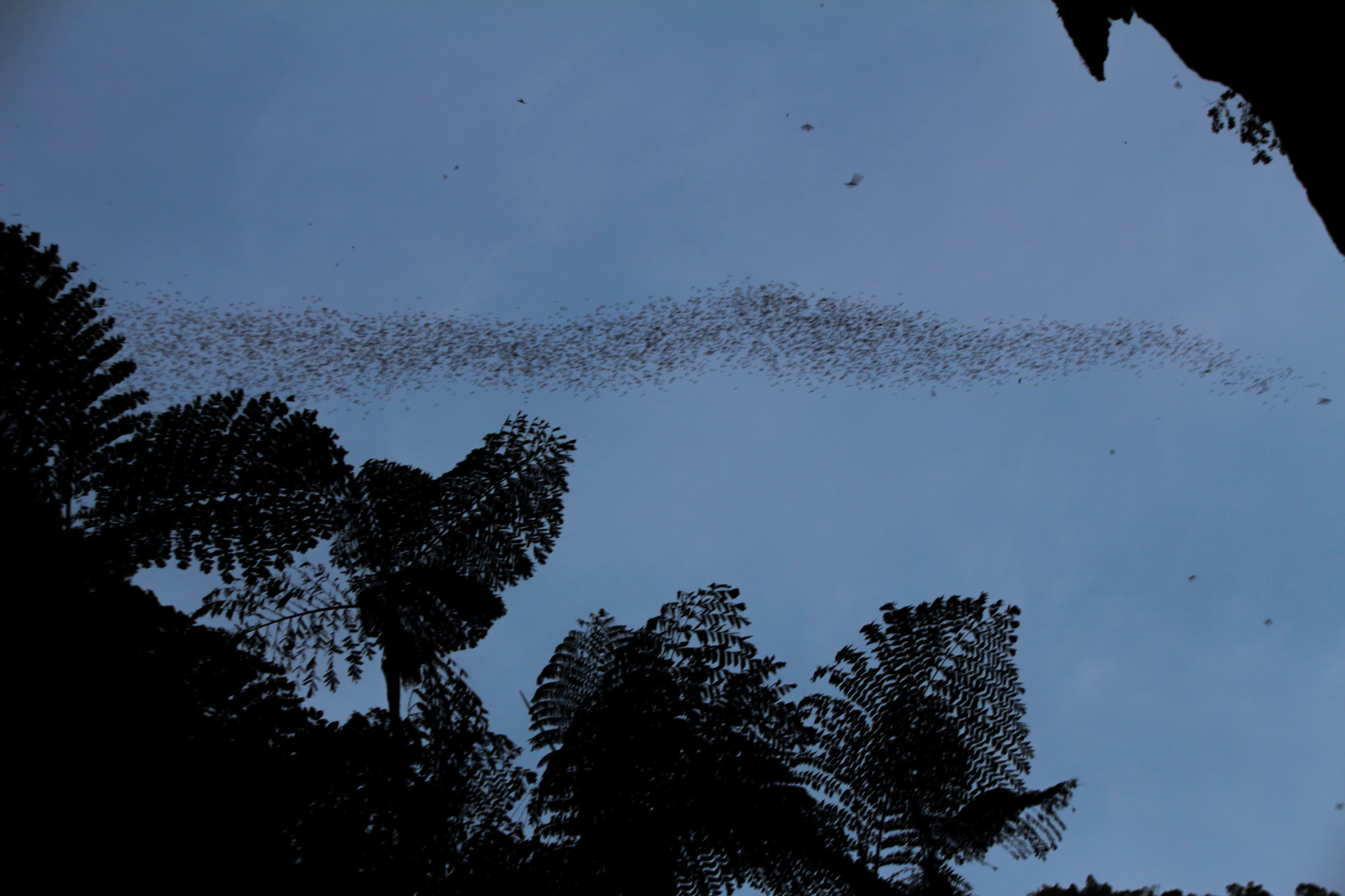
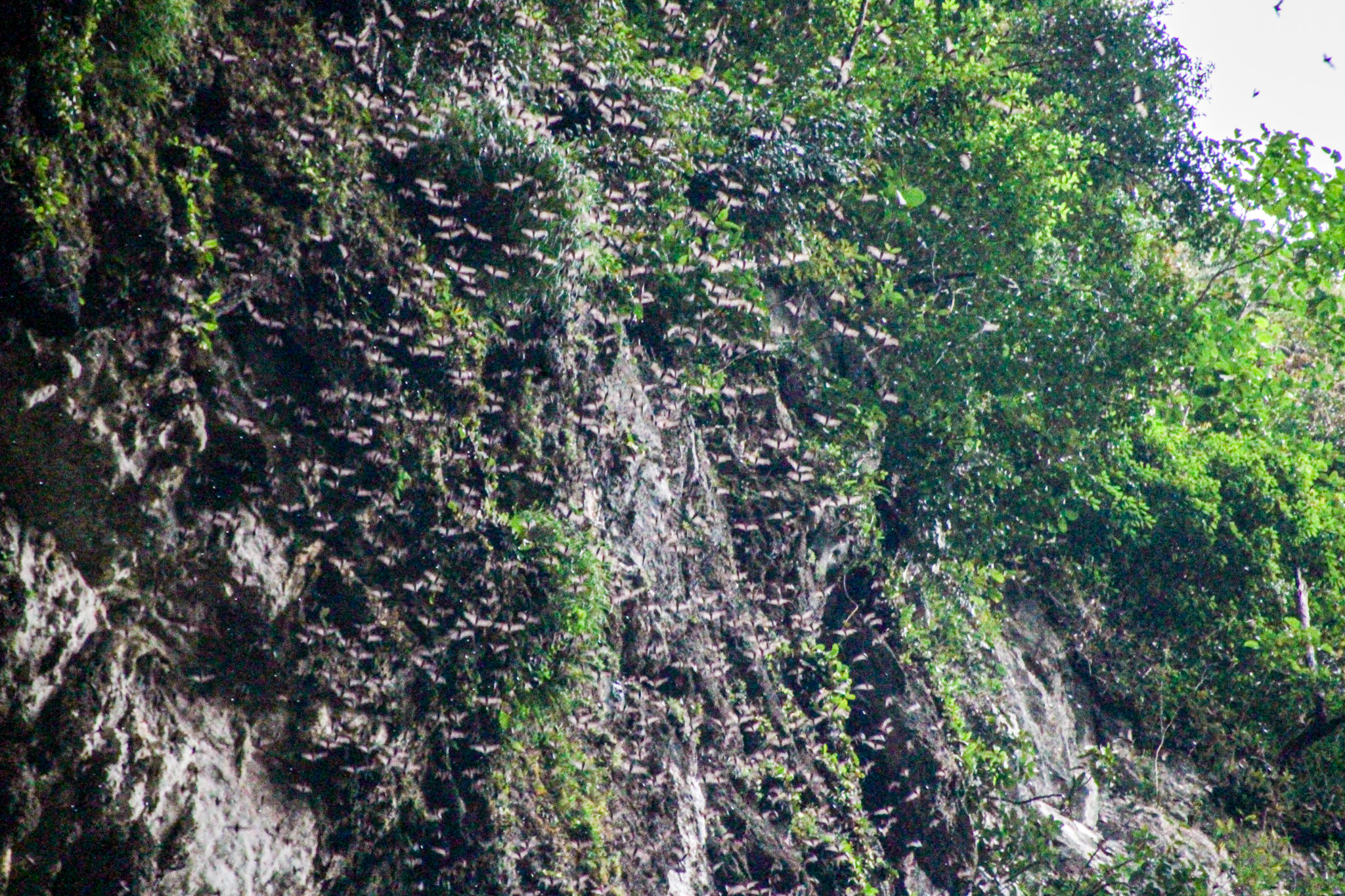
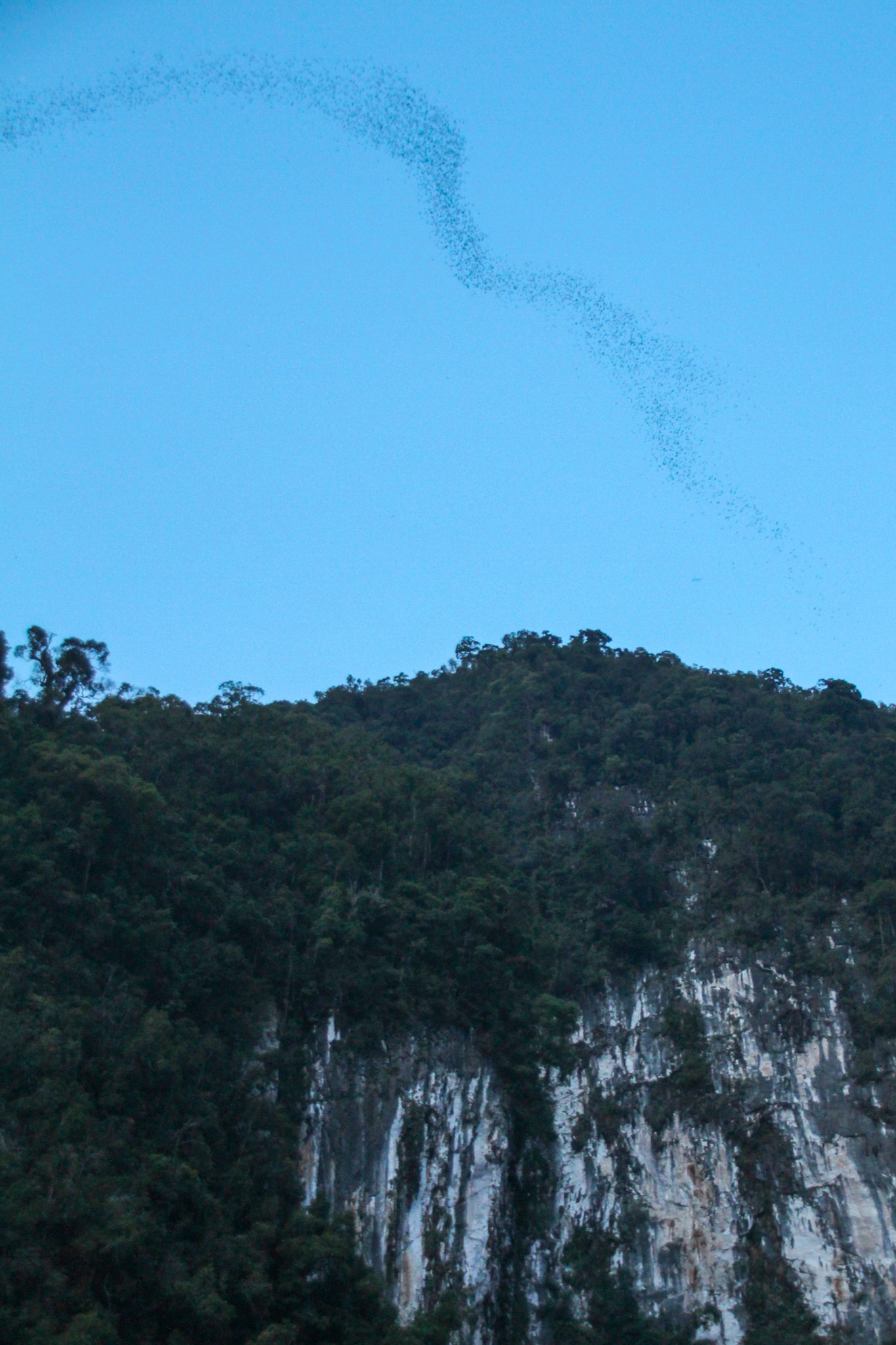
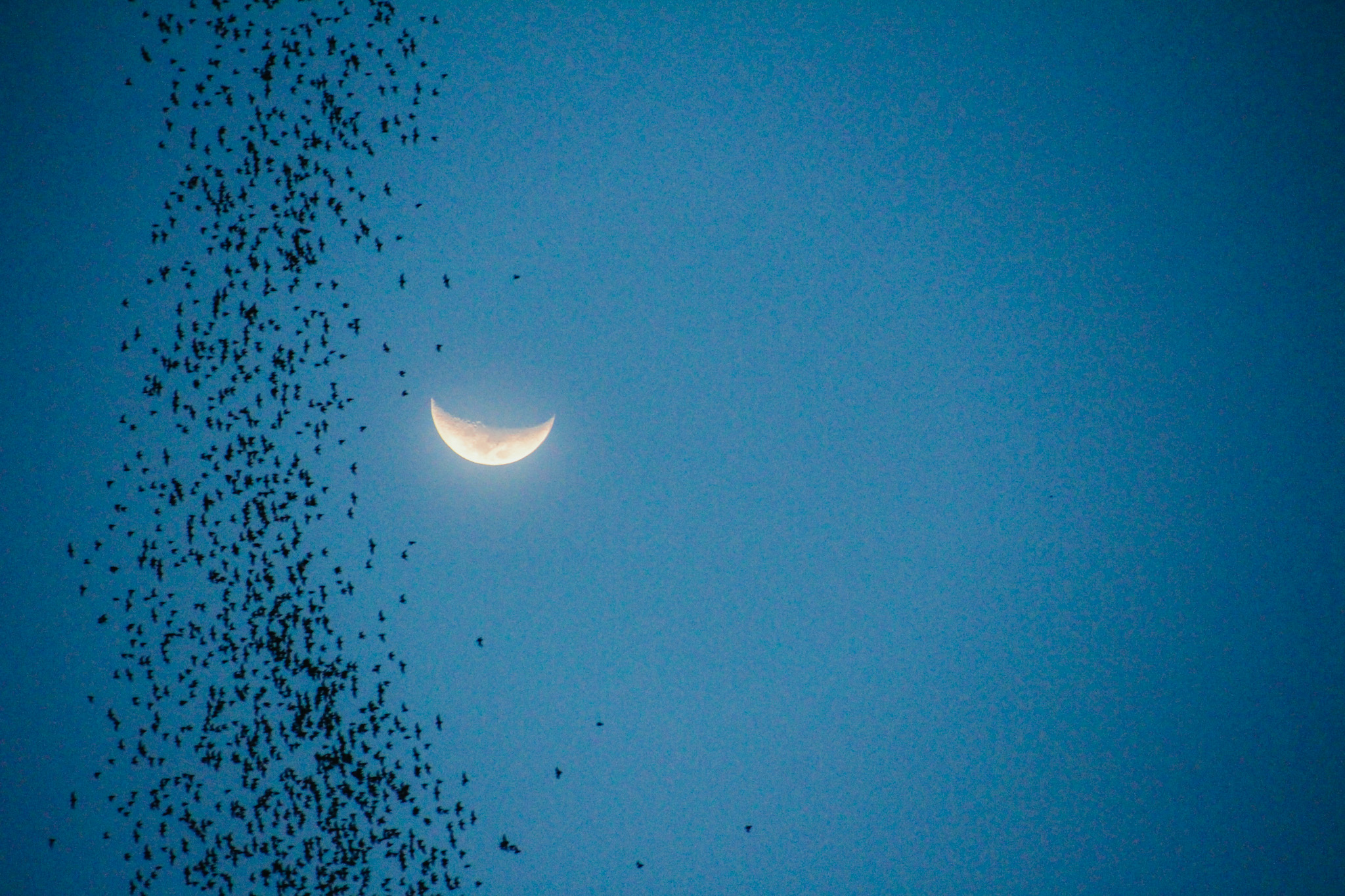
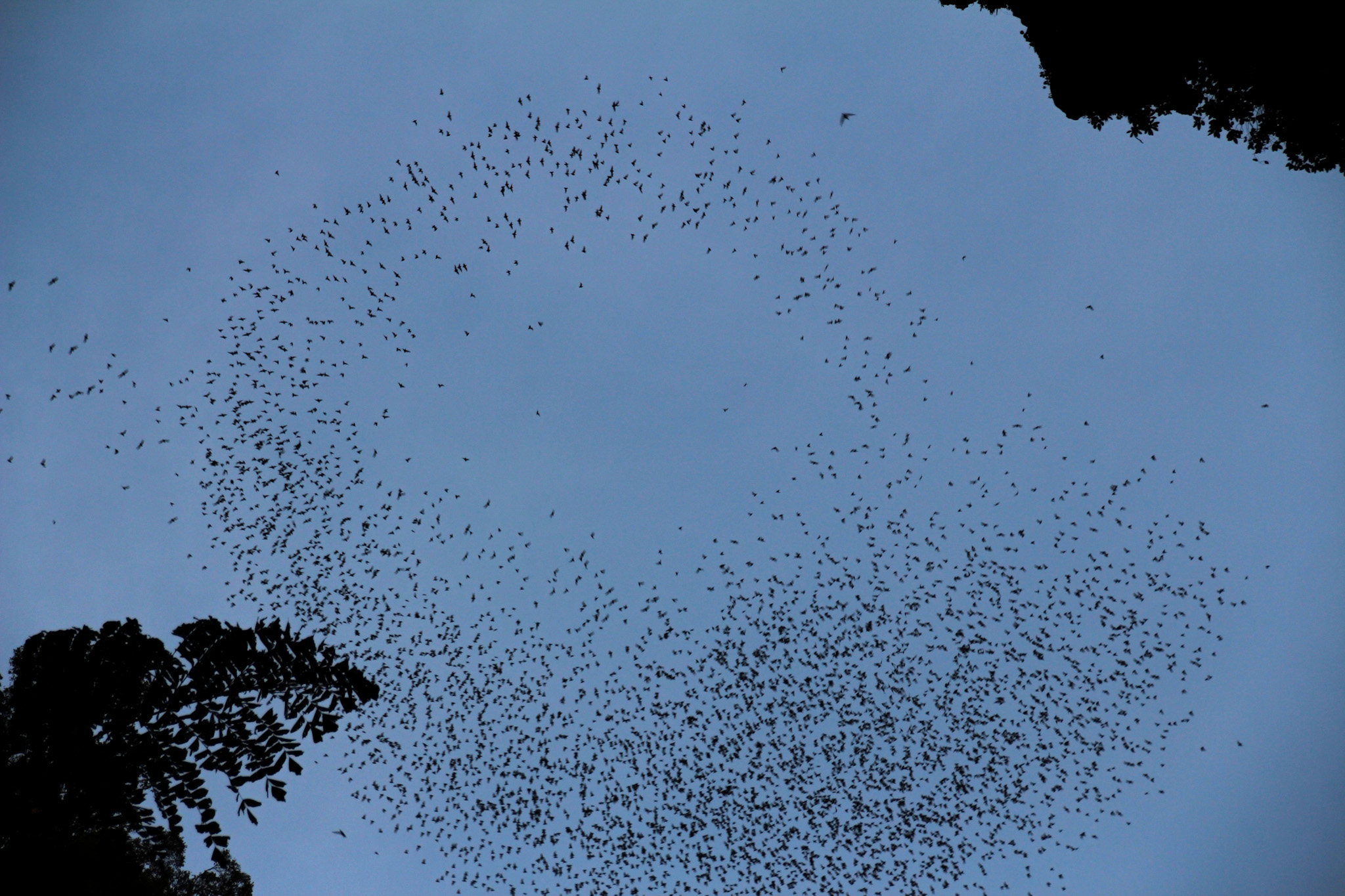
We spent the next 2 nights at Gunung Mulu National Park Headquarters. After we arrived, we walked to the entrance of Deer Cave where we witnessed a natural phenomenon that occurs every night between 5pm and 7pm. I like to call it “The Bat Exodus”. As we were standing in the entrance to the cave the bats started flying out of the cave in the thousands, directly above our heads. We made our way to a viewing platform directly adjacent to the caves entrance and watched in awe for over an hour, as clouds of black bats emerge from the cave, flying in a swirling formation, in search of food. Multiple groups emerge at different times, ranging from hundreds of thousands of bats to over a million. It is estimated that there are over 3 million bats in total. As they soar across the sky, paired with the silent nature of the rainforest, made for a remarkable sight.
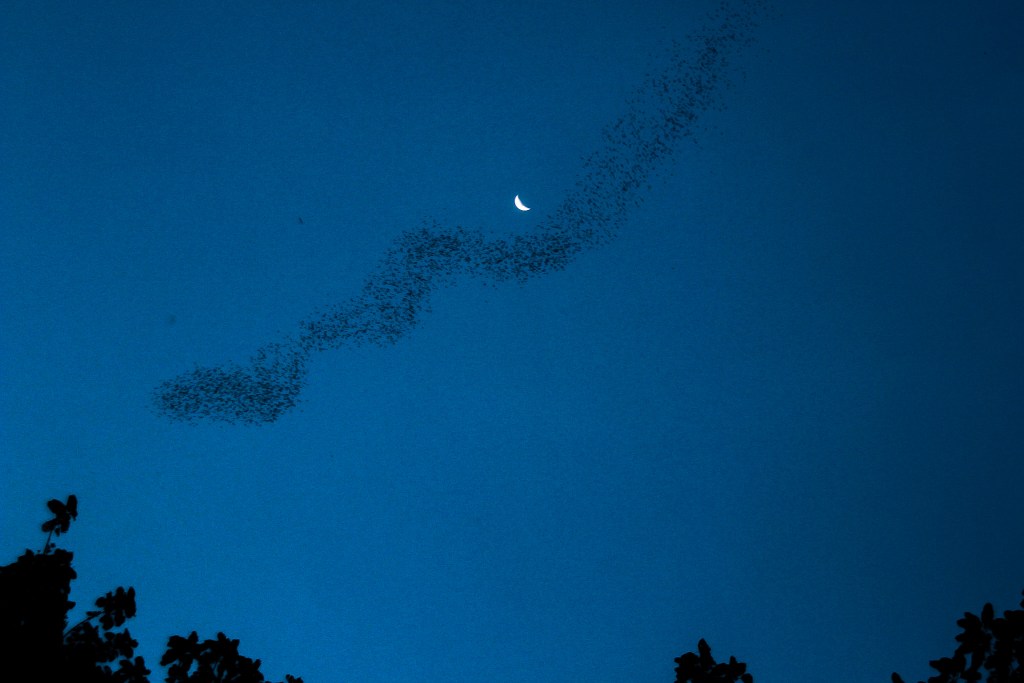
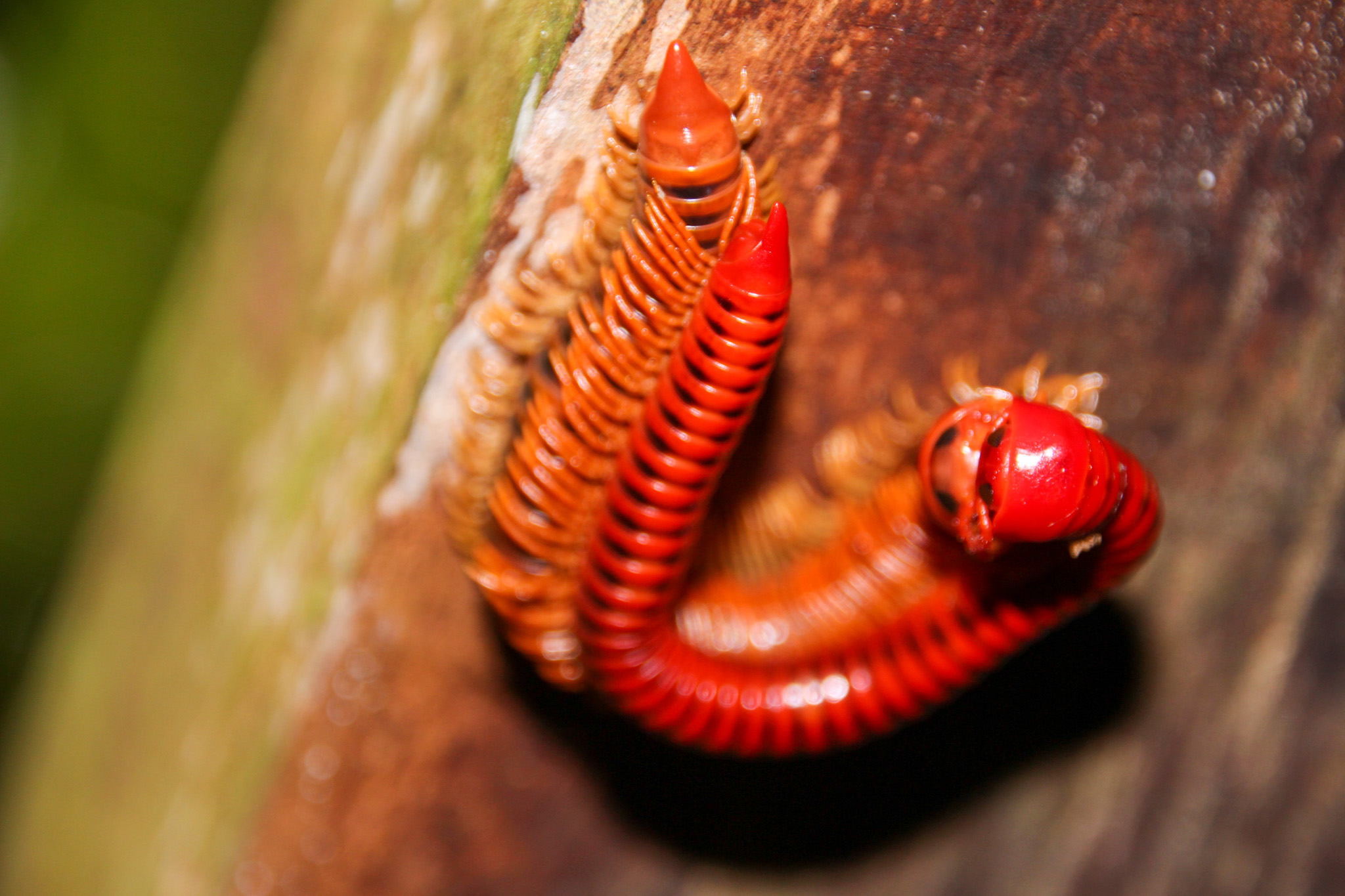
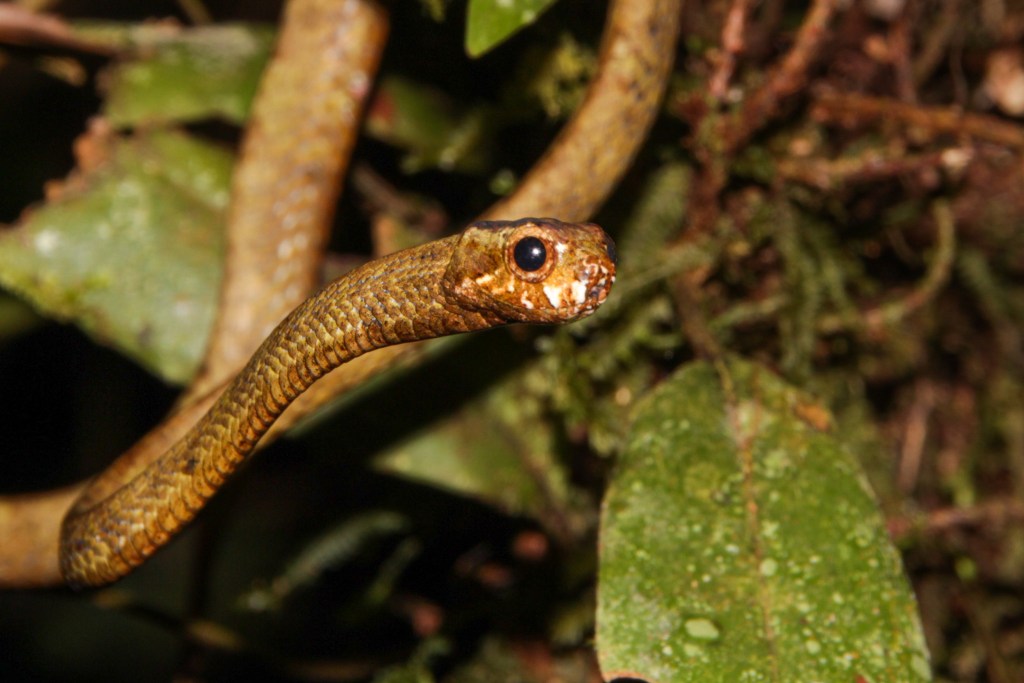
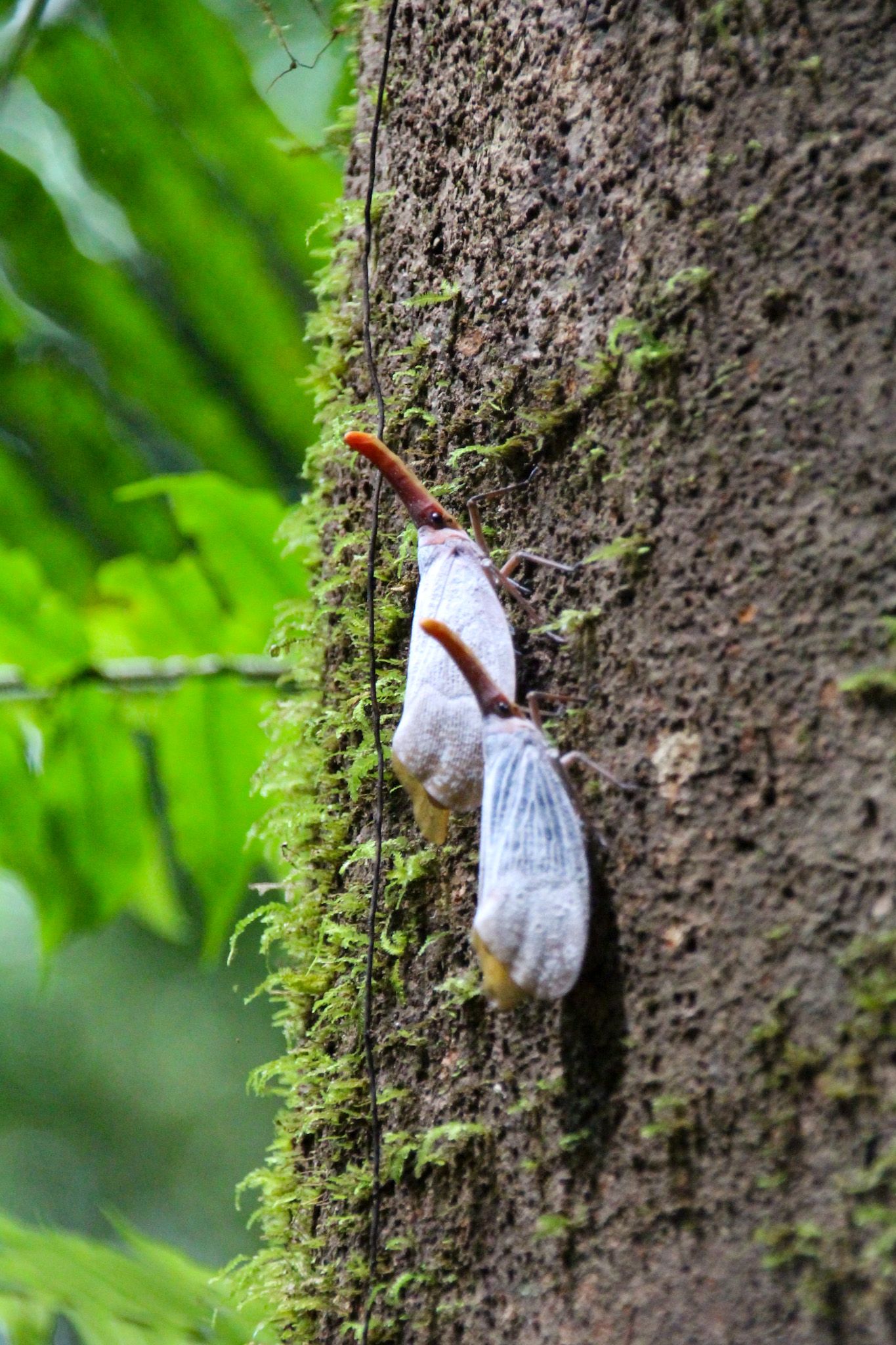
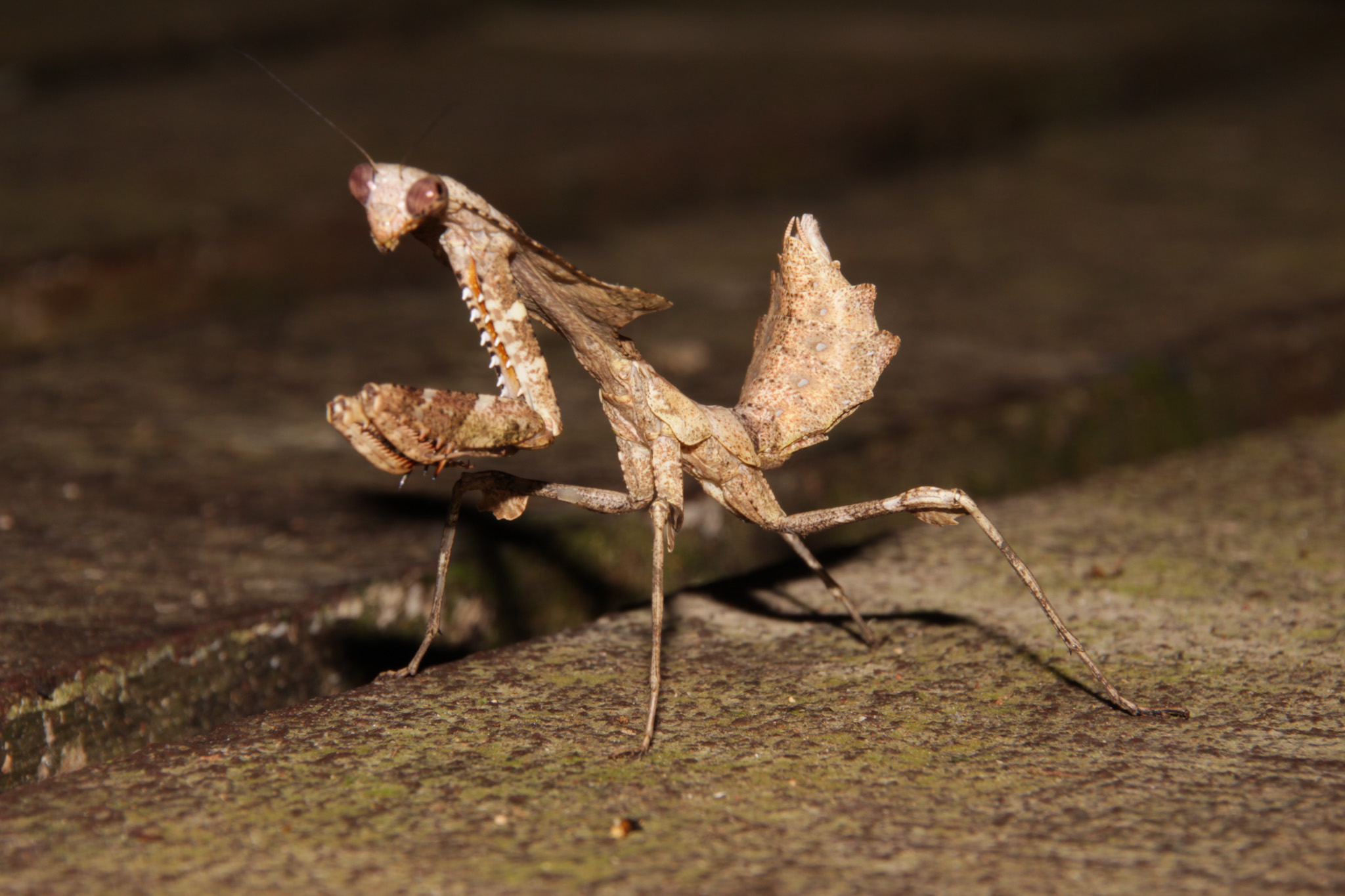
After witnessing this natural phenomenon, we made our way back to our accommodation in the dark which was another magical adventure in itself. The amount of creatures that come alive at night was unreal. Now I am not one that likes bugs and spiders, but this was an eye opener. We saw tarantulas, stick creatures, millipedes, snakes and my favourite… the fireflies.
Day 6: Deer & Lang Cave – Mulu Naitonal Park
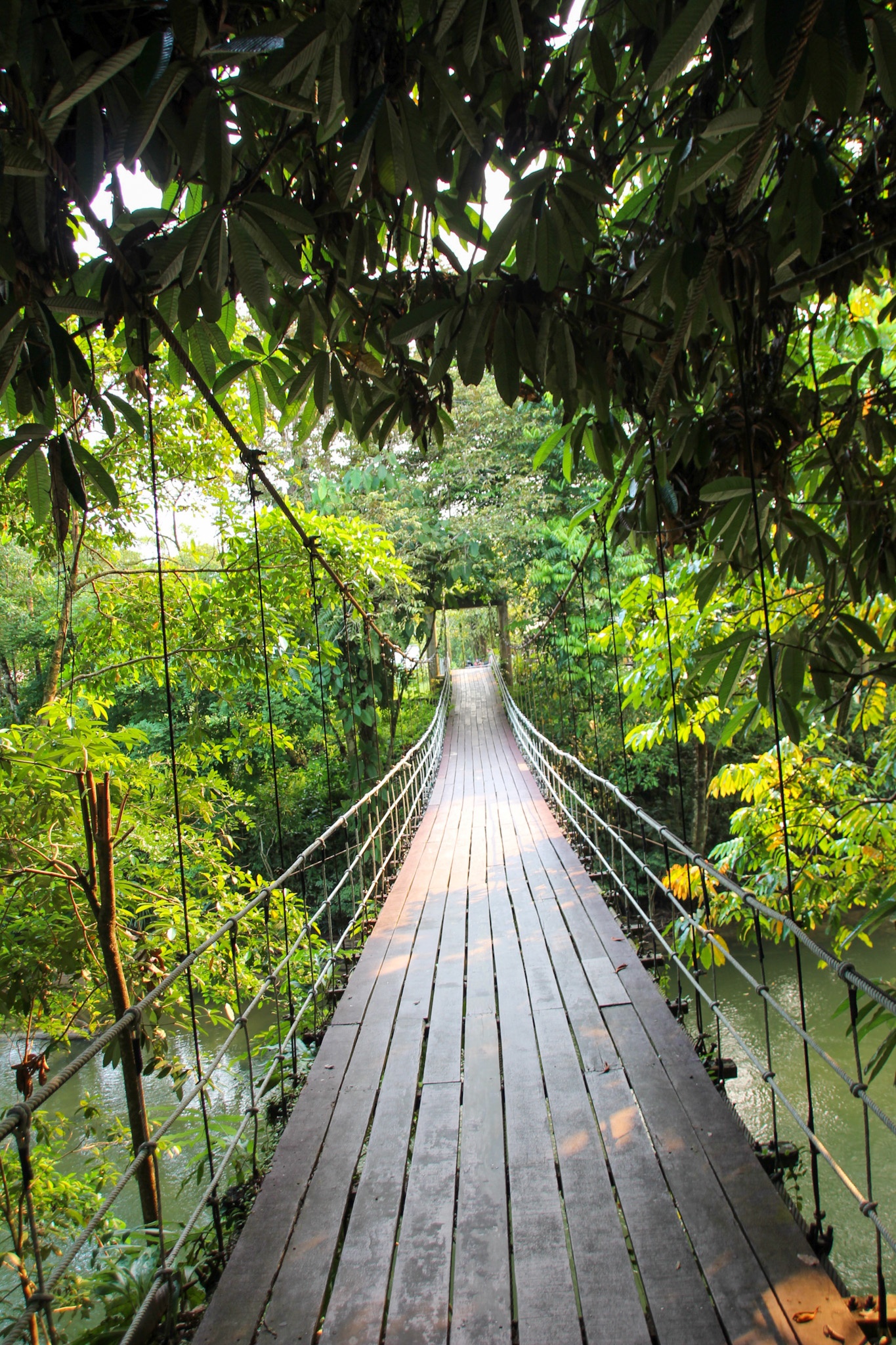
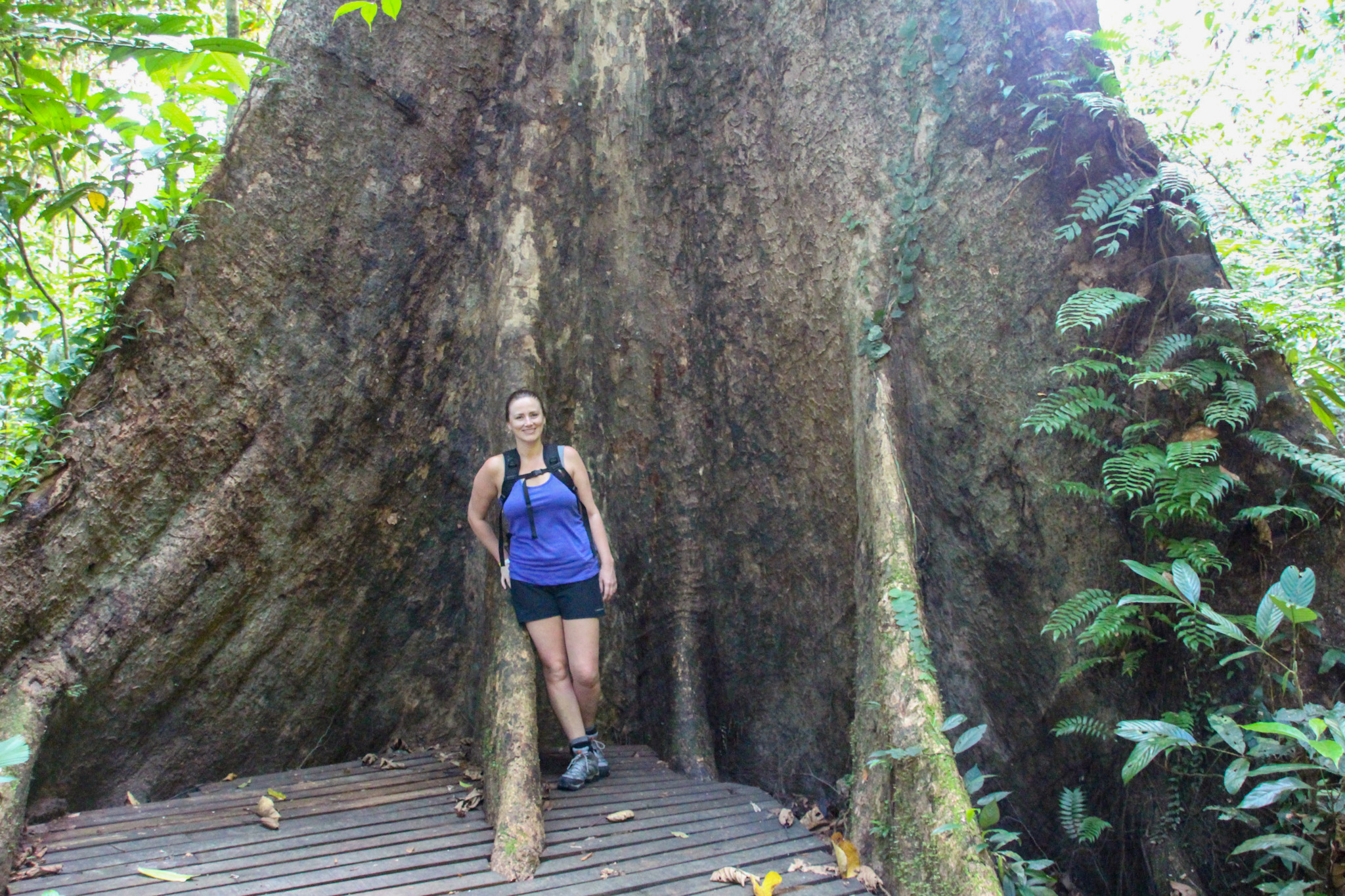
This morning we took a guided walk through Deer and Lang Caves. These caves are reached by walking though lush rainforests that are bursting with life. The path from headquarters is a 3 kilometres plank walk and it really immerses you amongst nature.
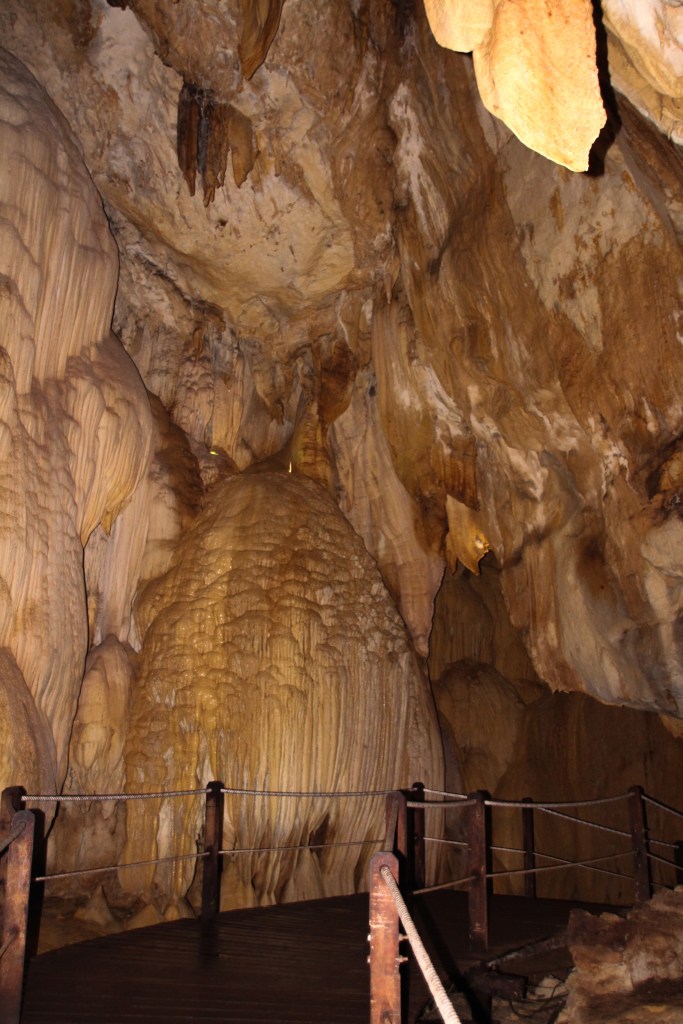
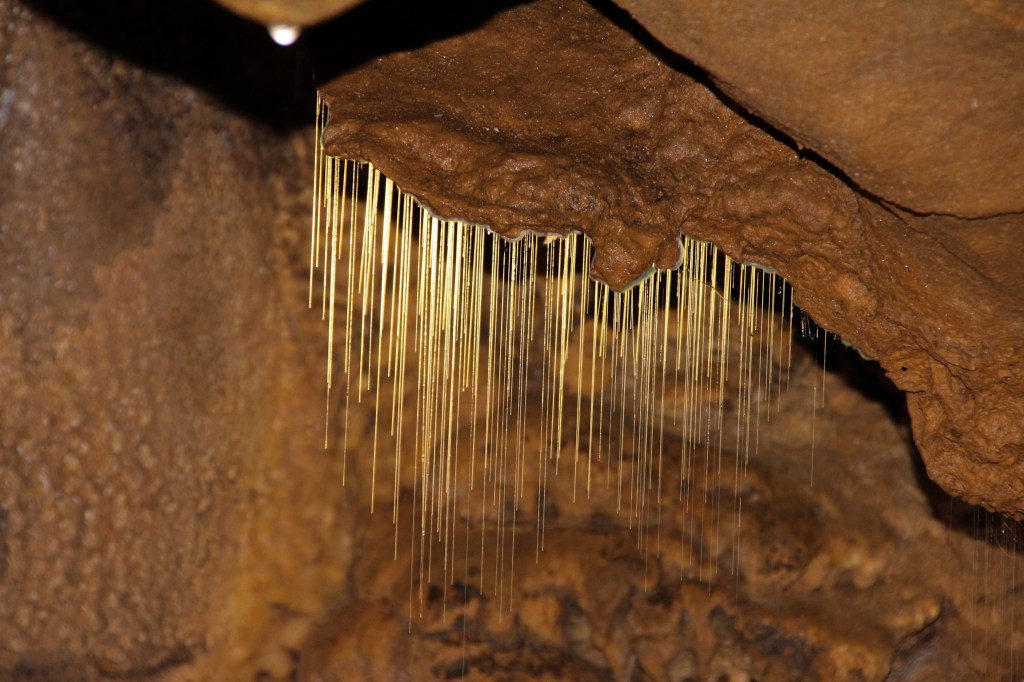
First we explored Lang cave, which is a much smaller cave. It showcases unique limestone formations which are decorated with stalactites and stalagmites that glisten in the torchlight.
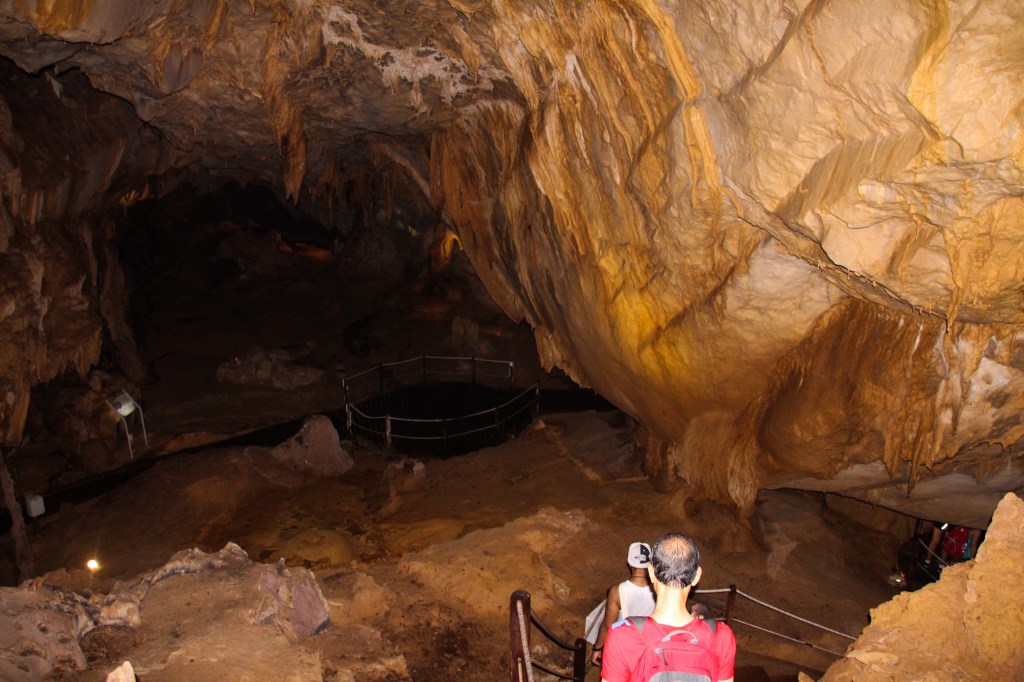
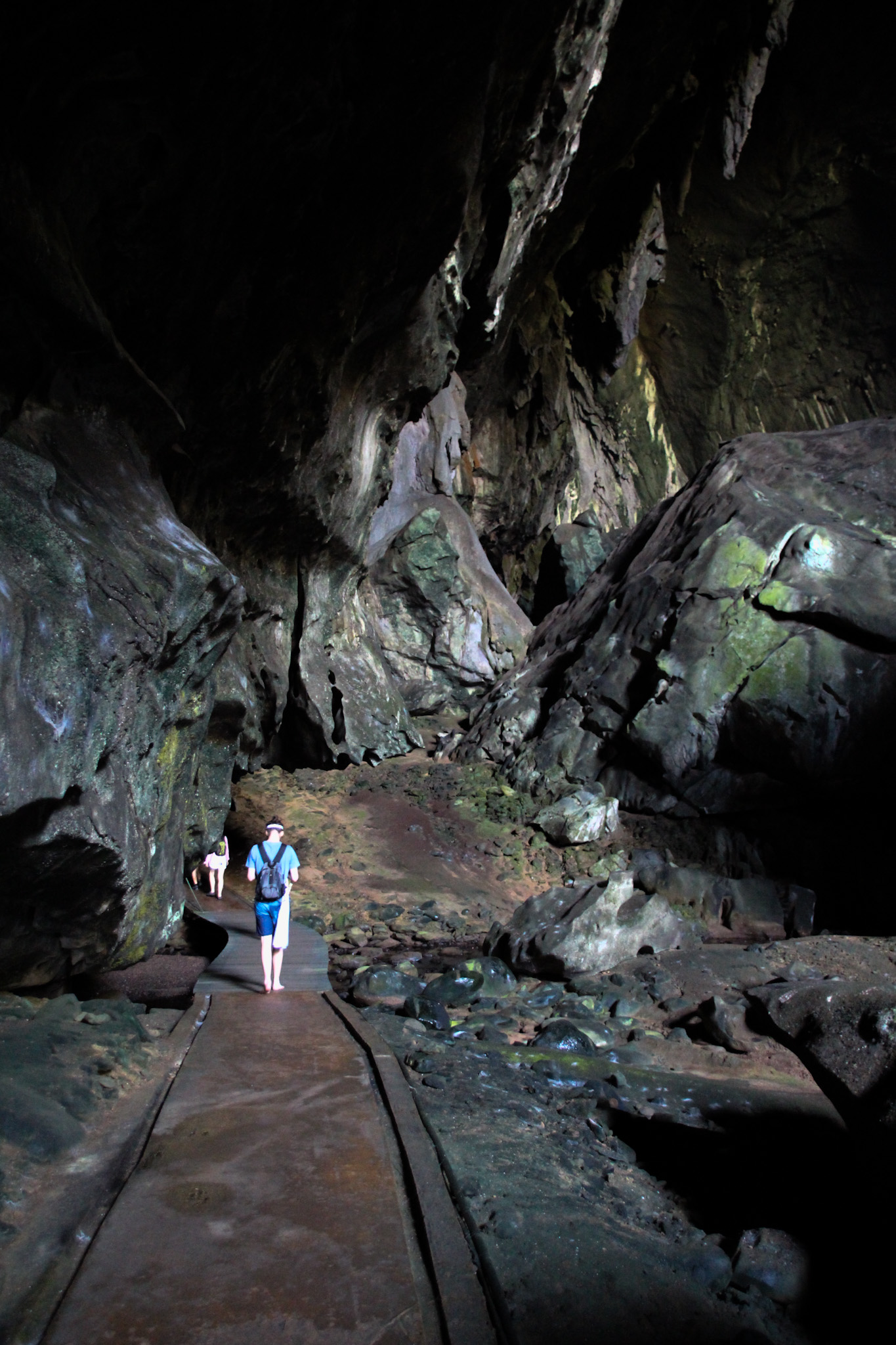
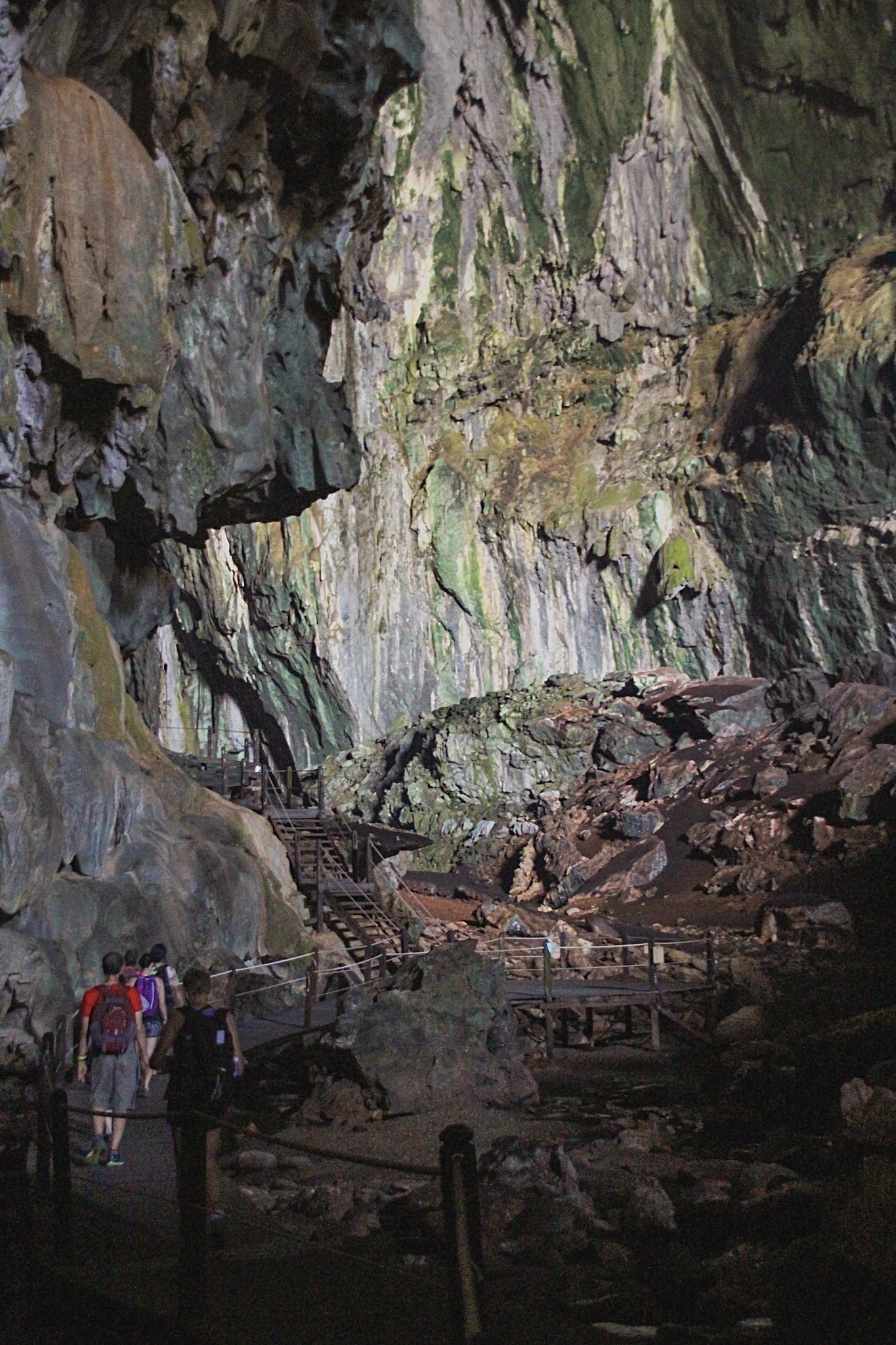
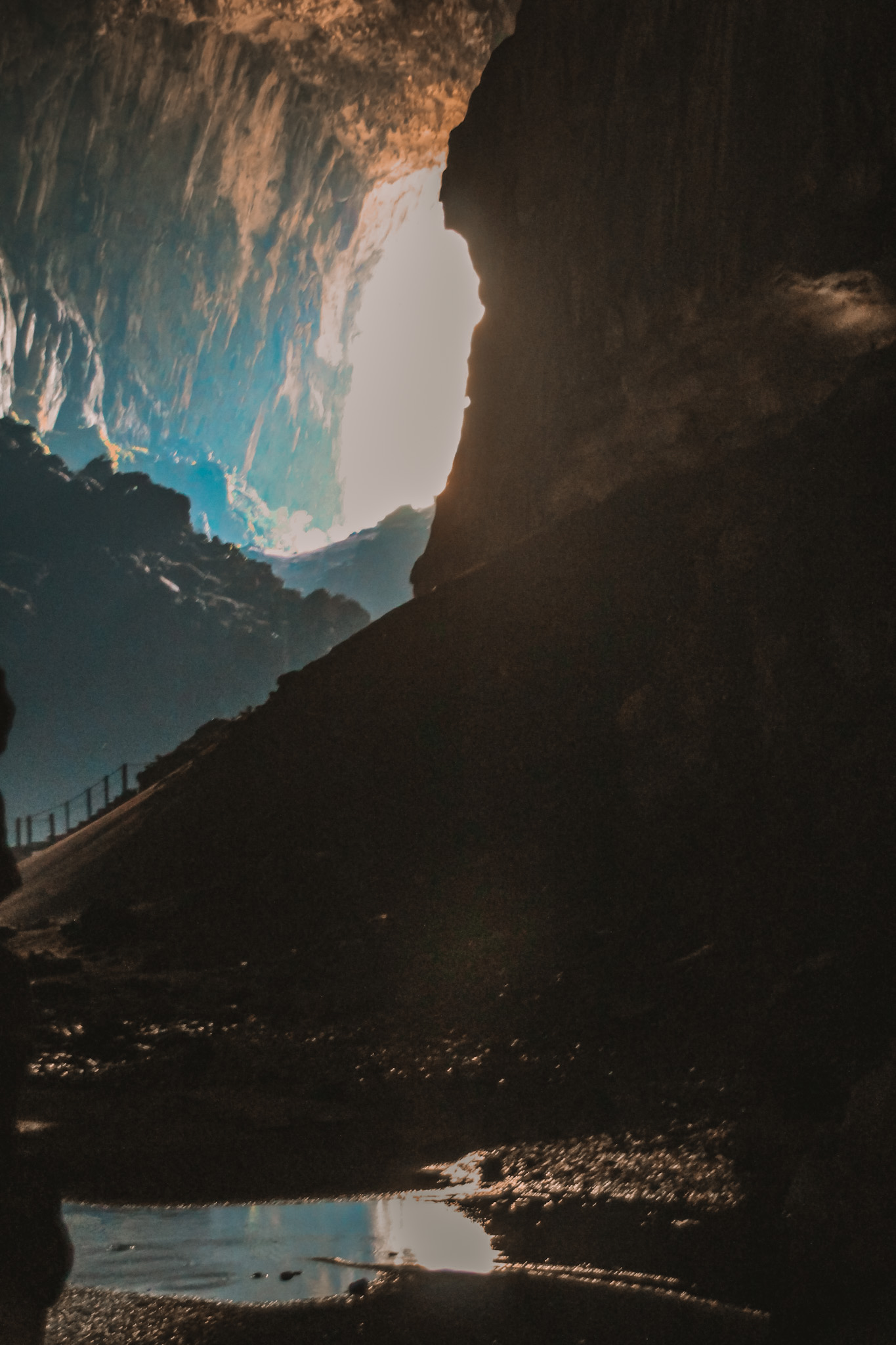
Deer Cave boasts the largest cave passage in the world sitting at over 2 kilometres in length. When you first enter the cave, the sheer size of the caves entrance is breathtaking. It begins at 174 metres wide and its highest ceiling measures 220 metres. So there is no need to worry about claustrophobia as it is so vast and spacious.
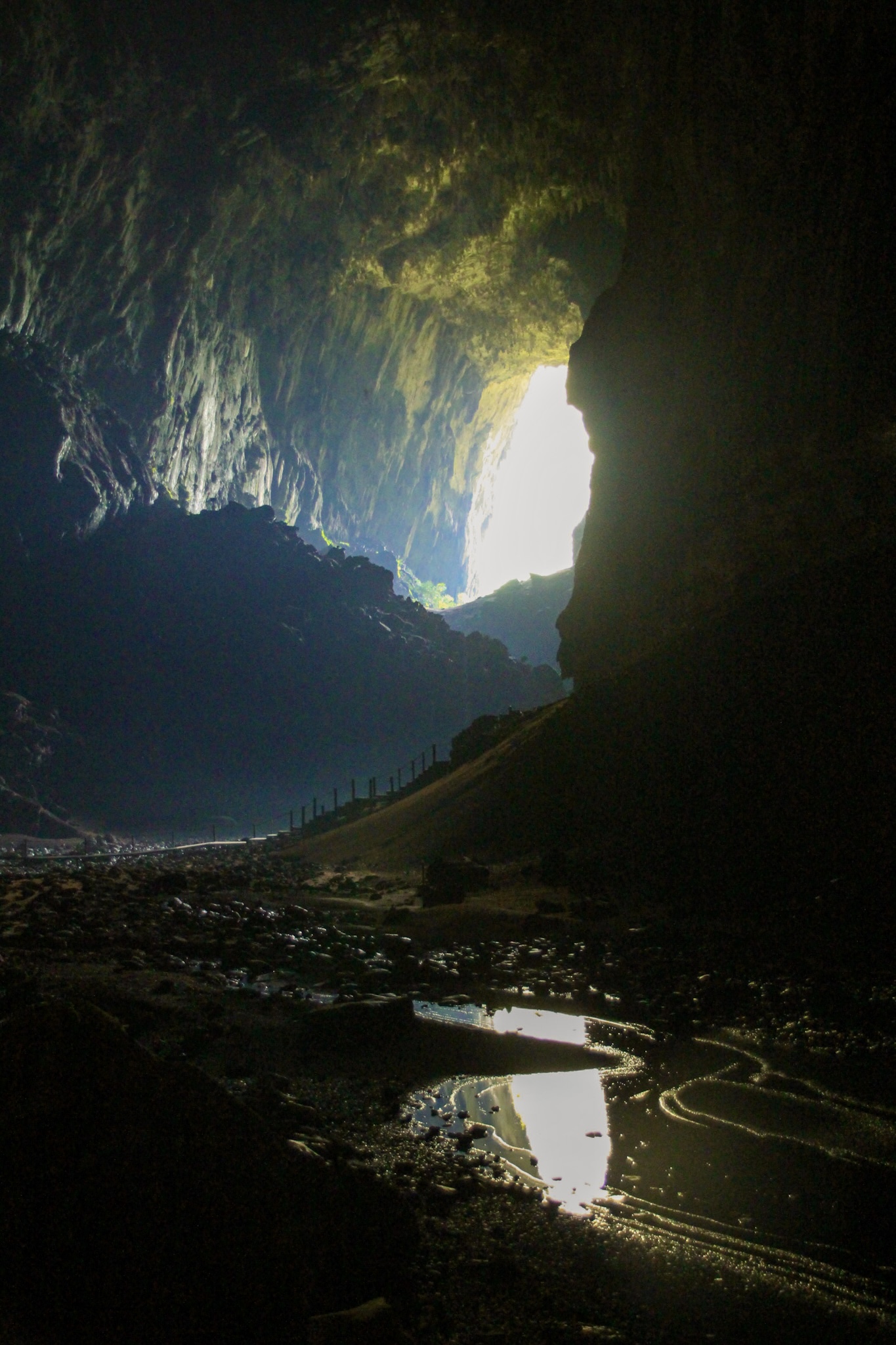
Inside the cave you will find the Garden of Eden, where a beam of light descends down through a hole in the cave roof shining upon a section of green vegetation that has been able to grow inside the cave due to the unique shower of water that drops 30 metres to the riverbed below, which creates a mystical oasis.
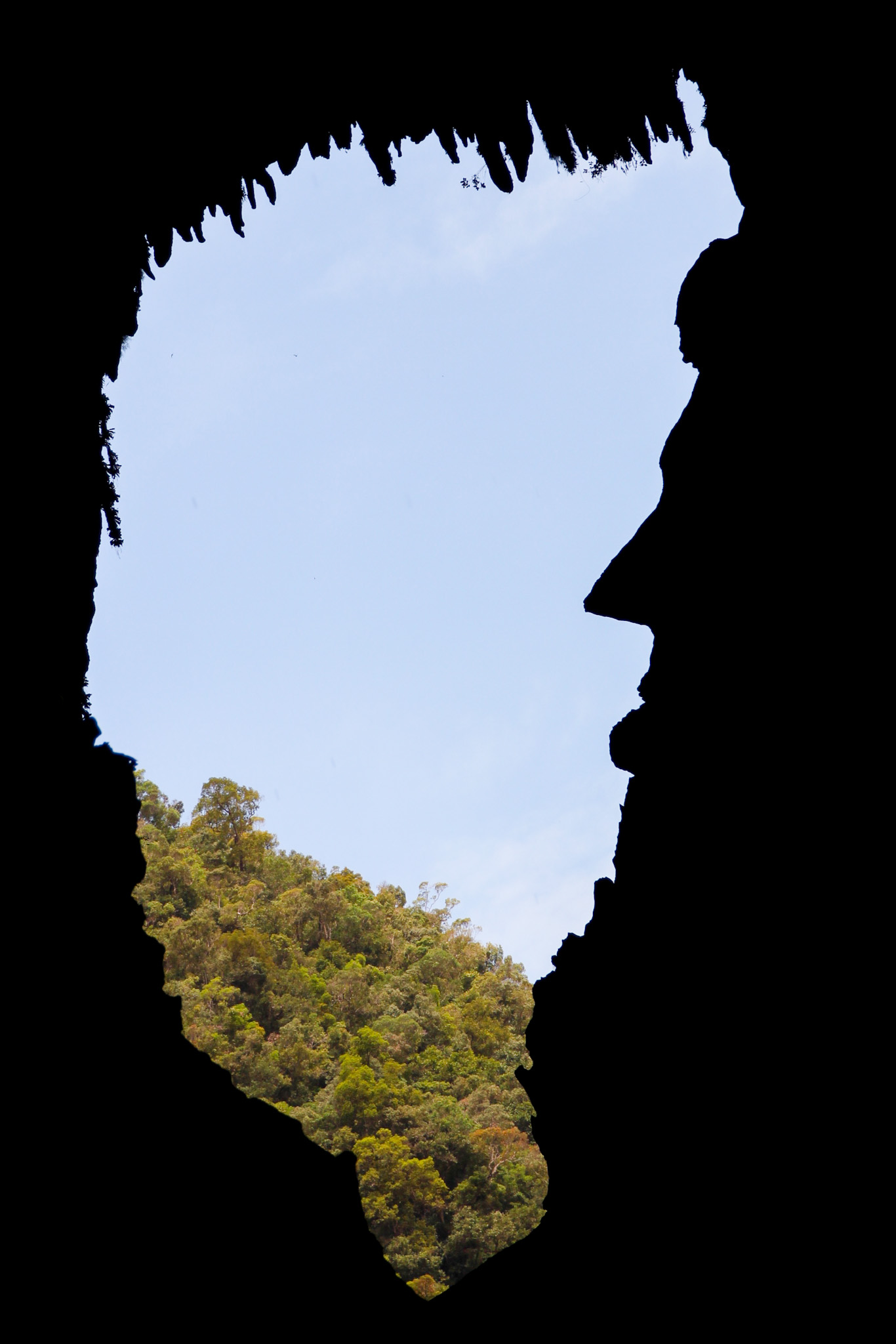
On the walk back out of the cave we viewed the famous rock formation that resembles the side profile of the famous american president, Abraham Lincloln, which sits at the caves entrance.
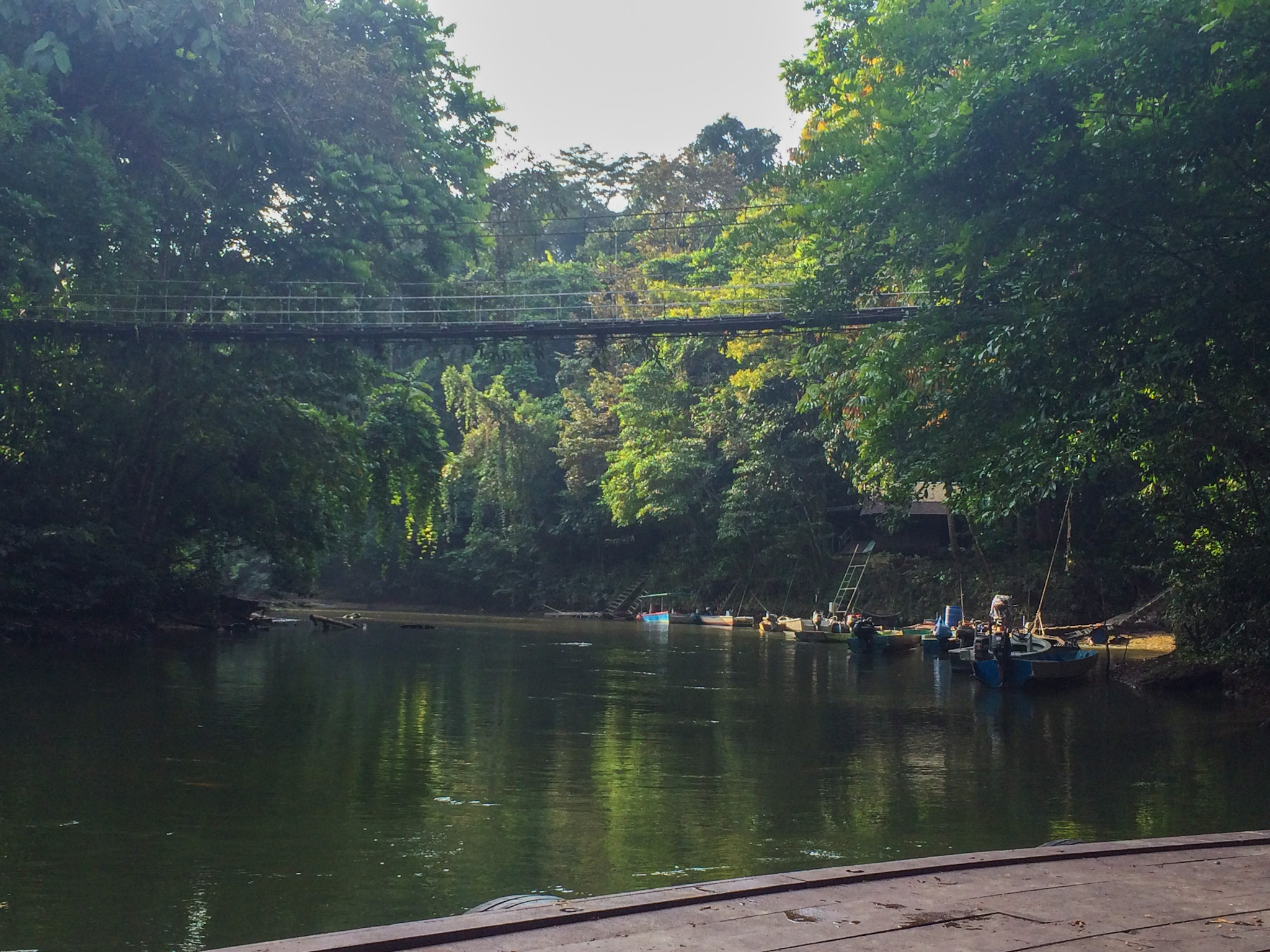
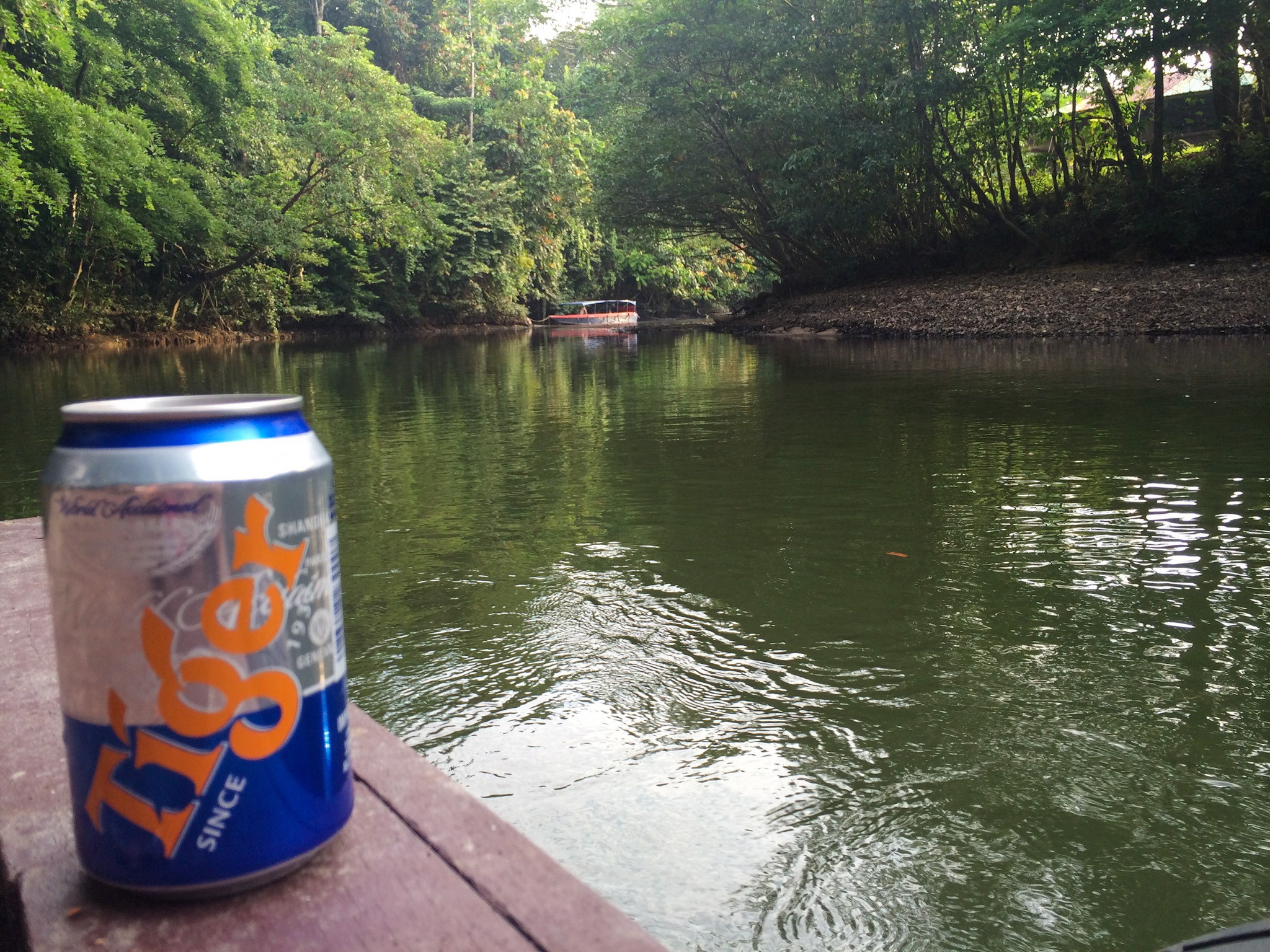
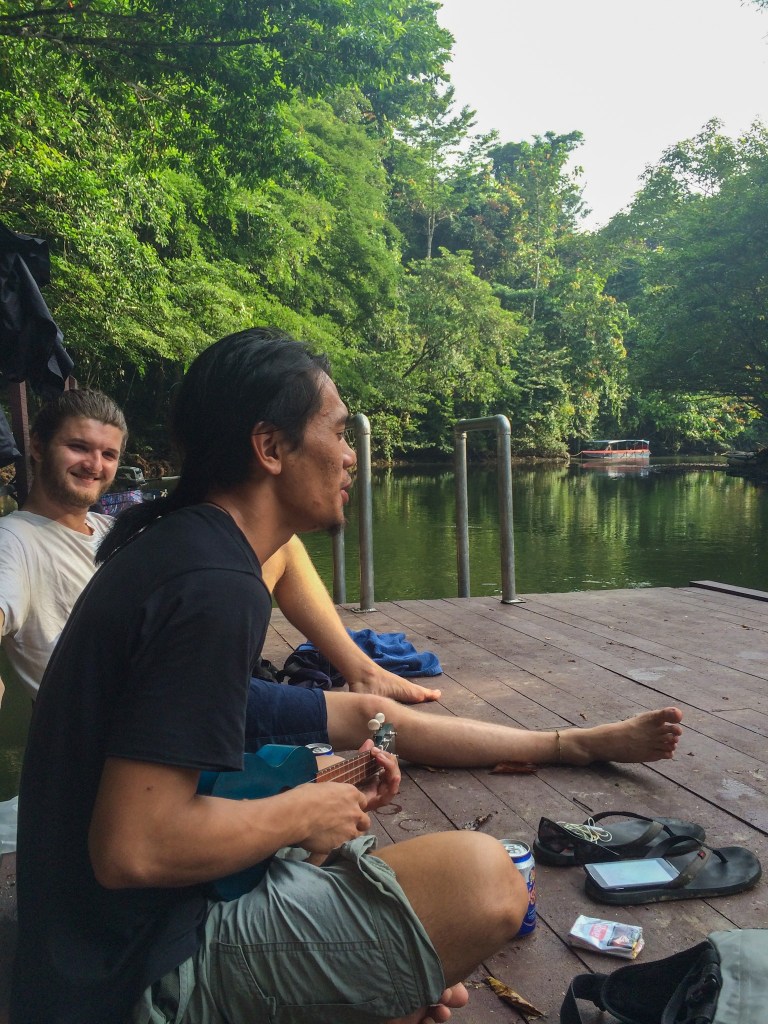
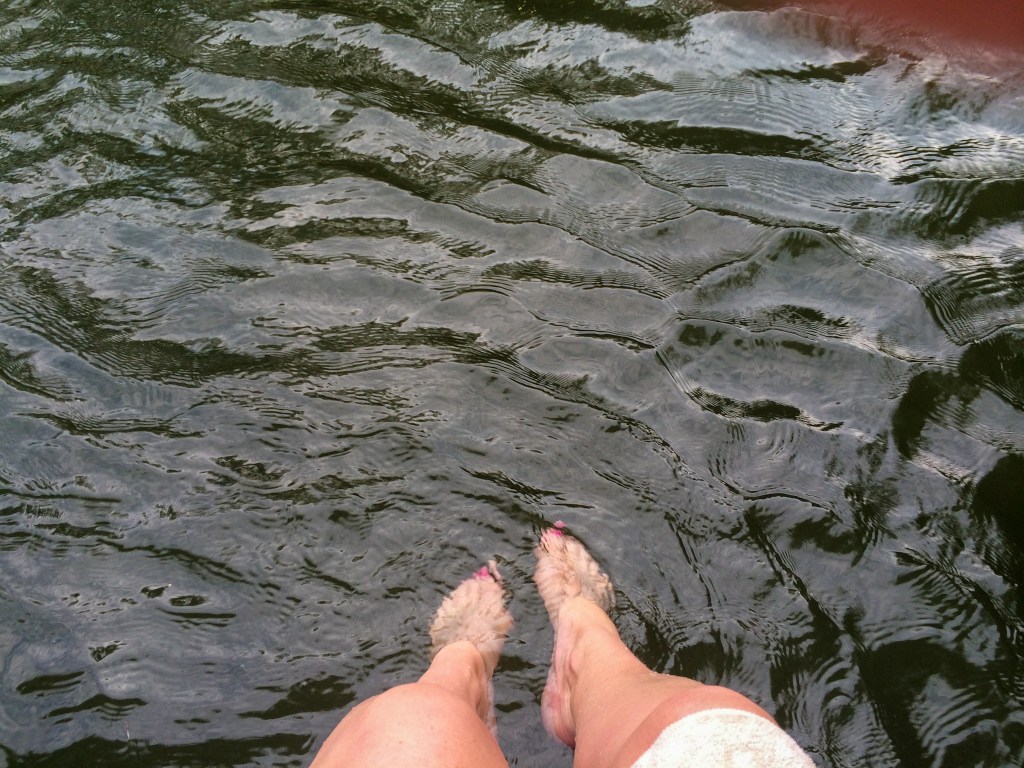
After exploring the 2 very different caves, we grabbed a cold beer, put on our swimmers and freshened up in the river while our guide played his ukulele. The current of the river was quite strong so I tried jumping in close to the jetty, and Kaylah scared the daylight out of me… I had just jumped in and Kaylah screamed out that there was a snake. I panicked and swam so fast but the current slowed me down. Meanwhile, the rest of the group were finding it hilarious. This was caught on video but sadly like the rest of my footage, a lot of these fun memories have been lost.
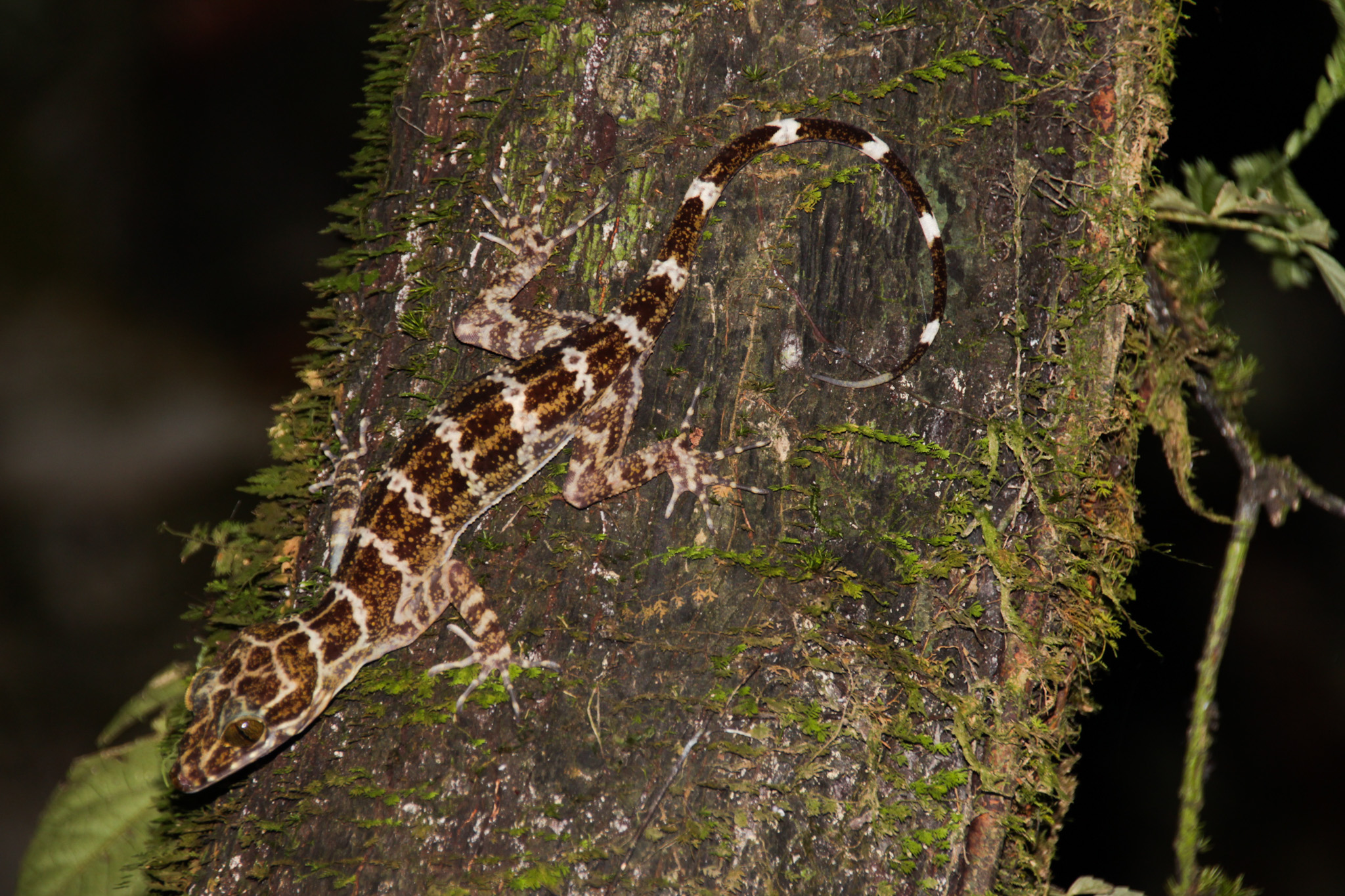
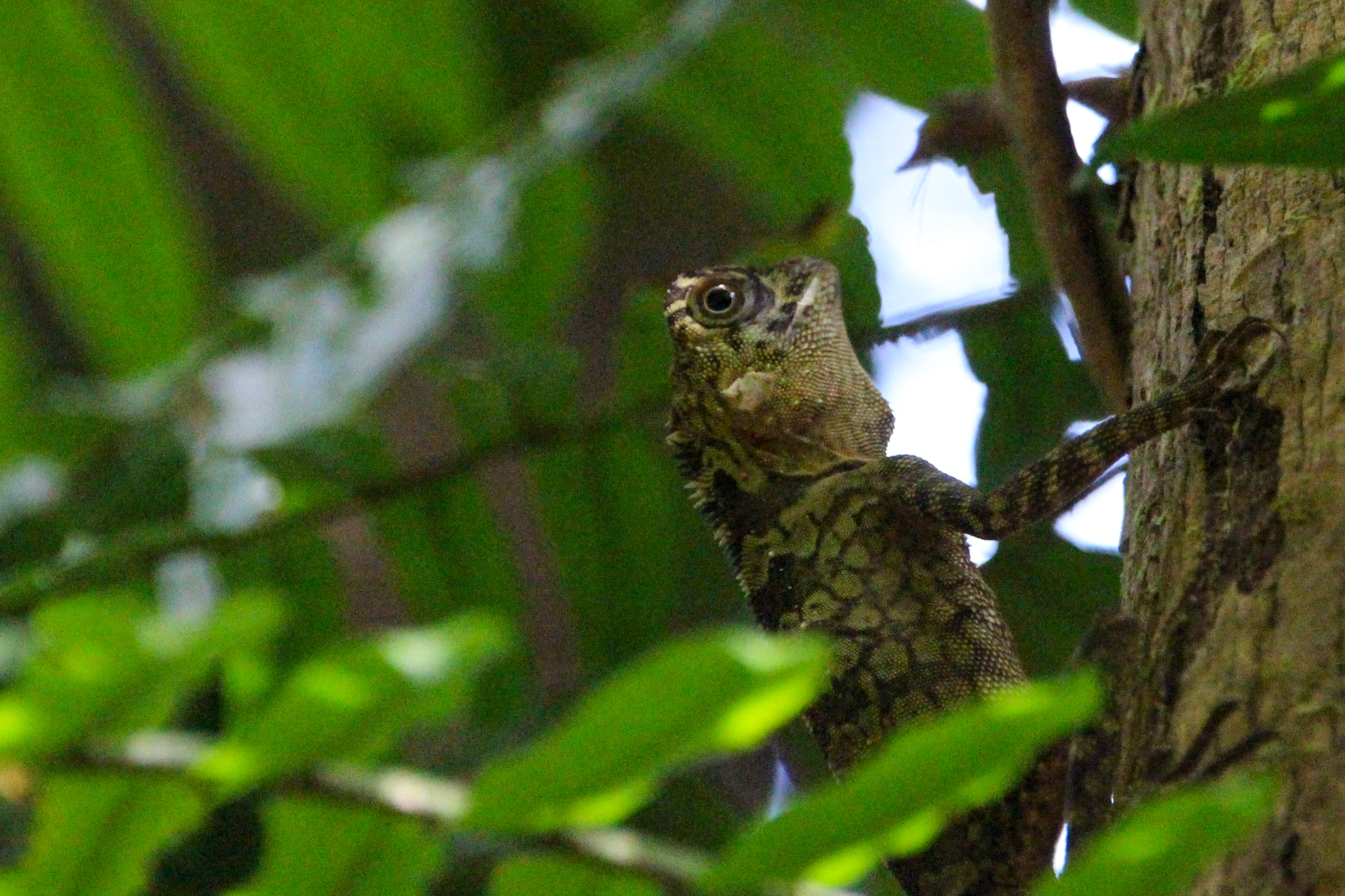
That evening, we ventured out on another night walk, which allowed us to witness so many nocturnal species.
Day 7: Wind and Clearwater Caves – Mulu National Park
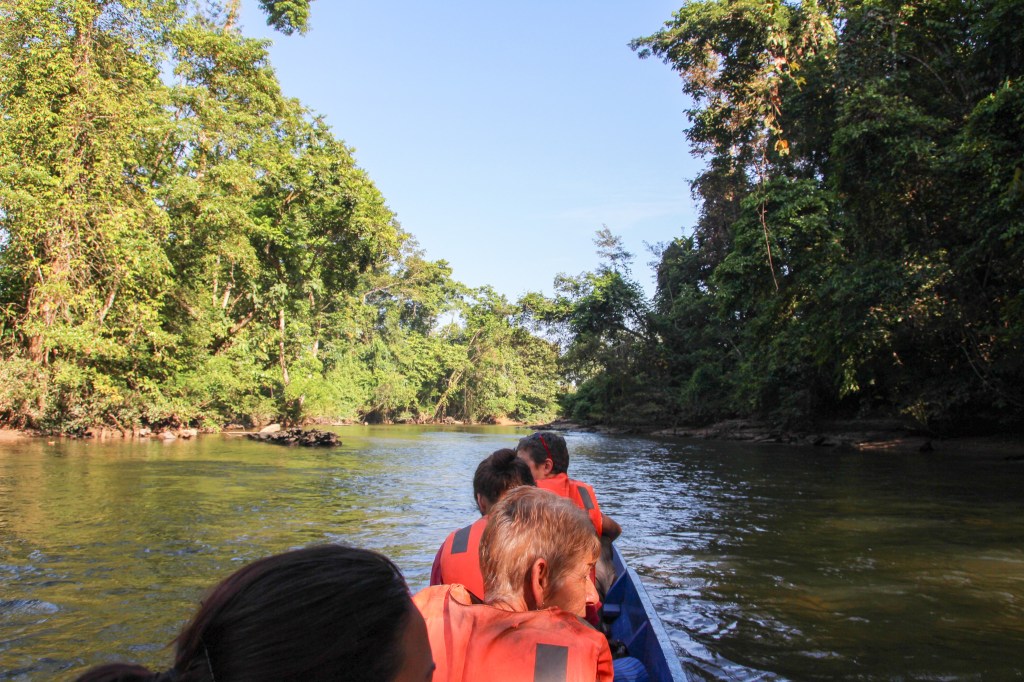
This morning, we packed up our belongings, jumped on a long boat and cruised up the Melinau River to Wind and Clearwater Caves.
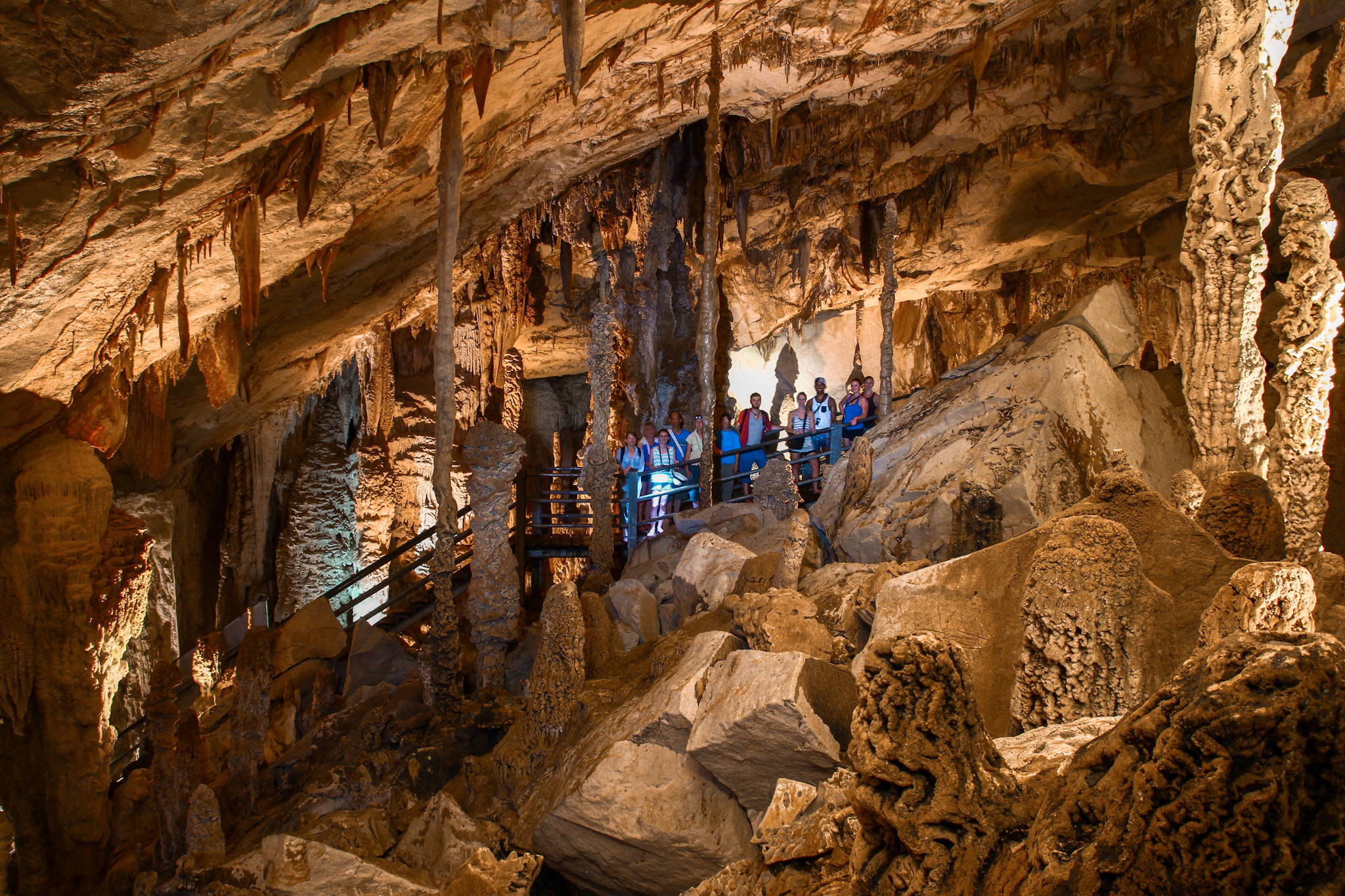
We first explored Wind Cave. Once inside, we found ourselves in the “Kings Room”. Which is a large cavern adorned with Stalactites, stalagmites, rock corals and helitites. The air in this cave was very cool. The cave gets its name from the cool breeze flows through the cave.
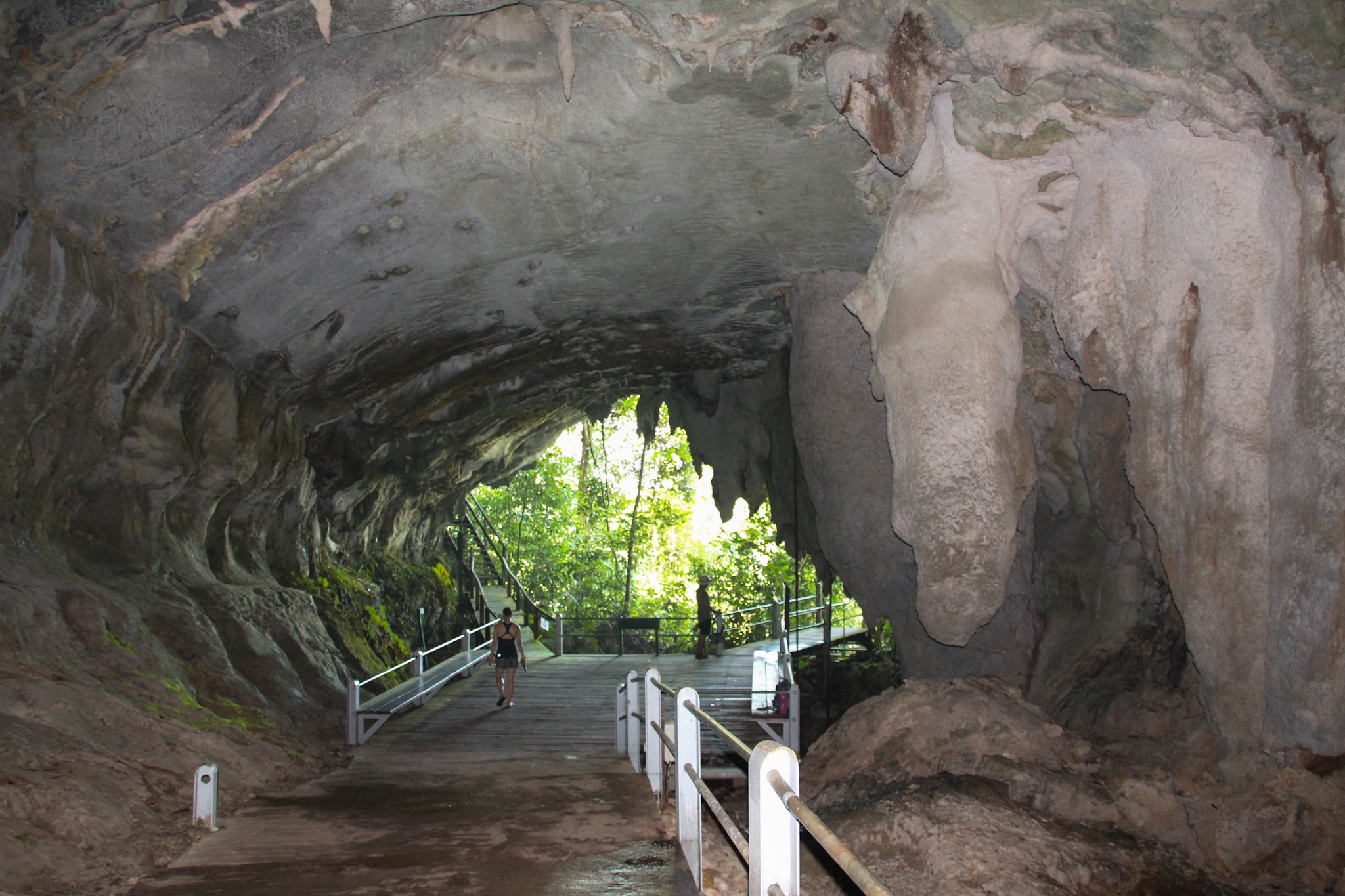
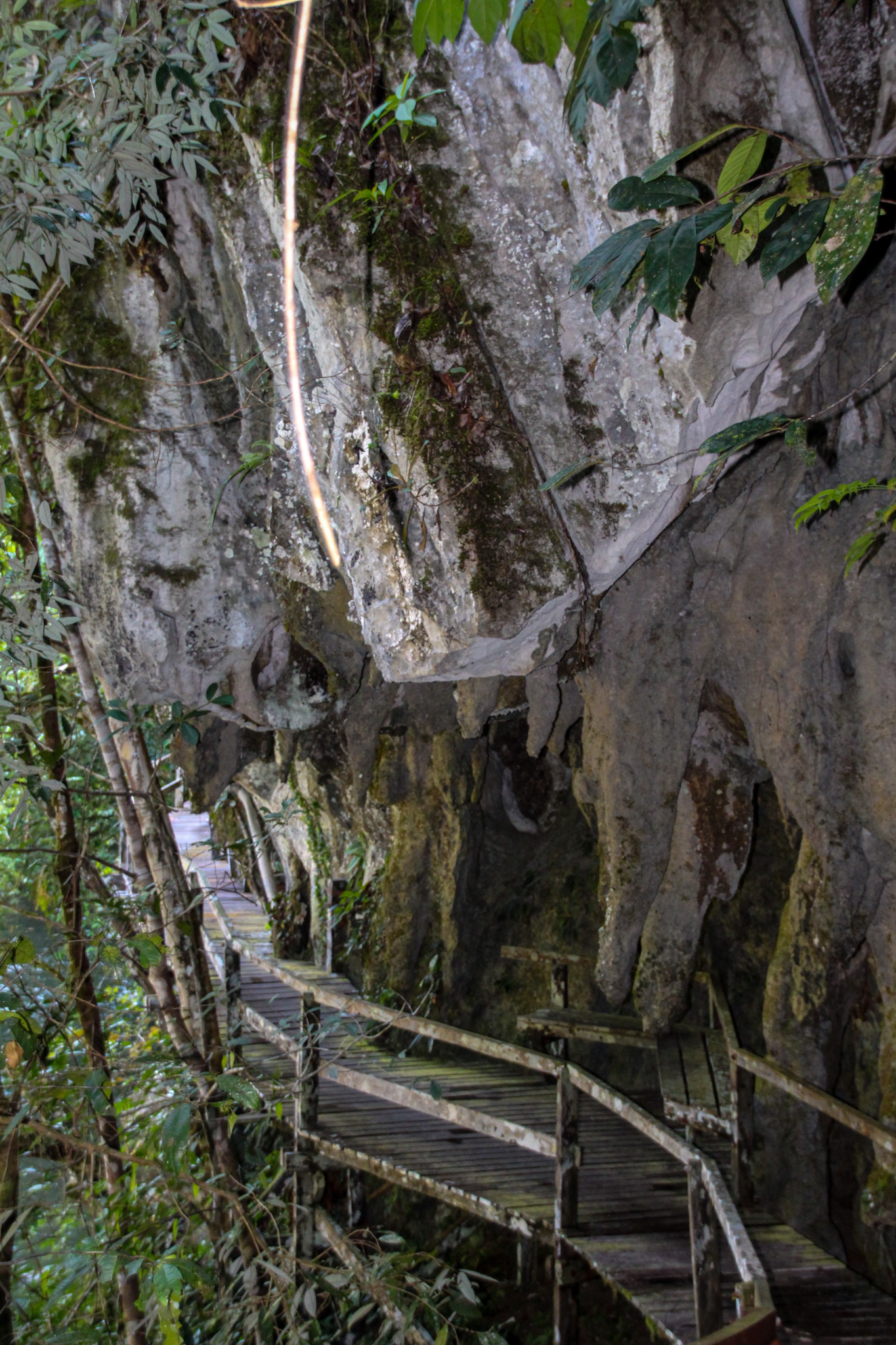
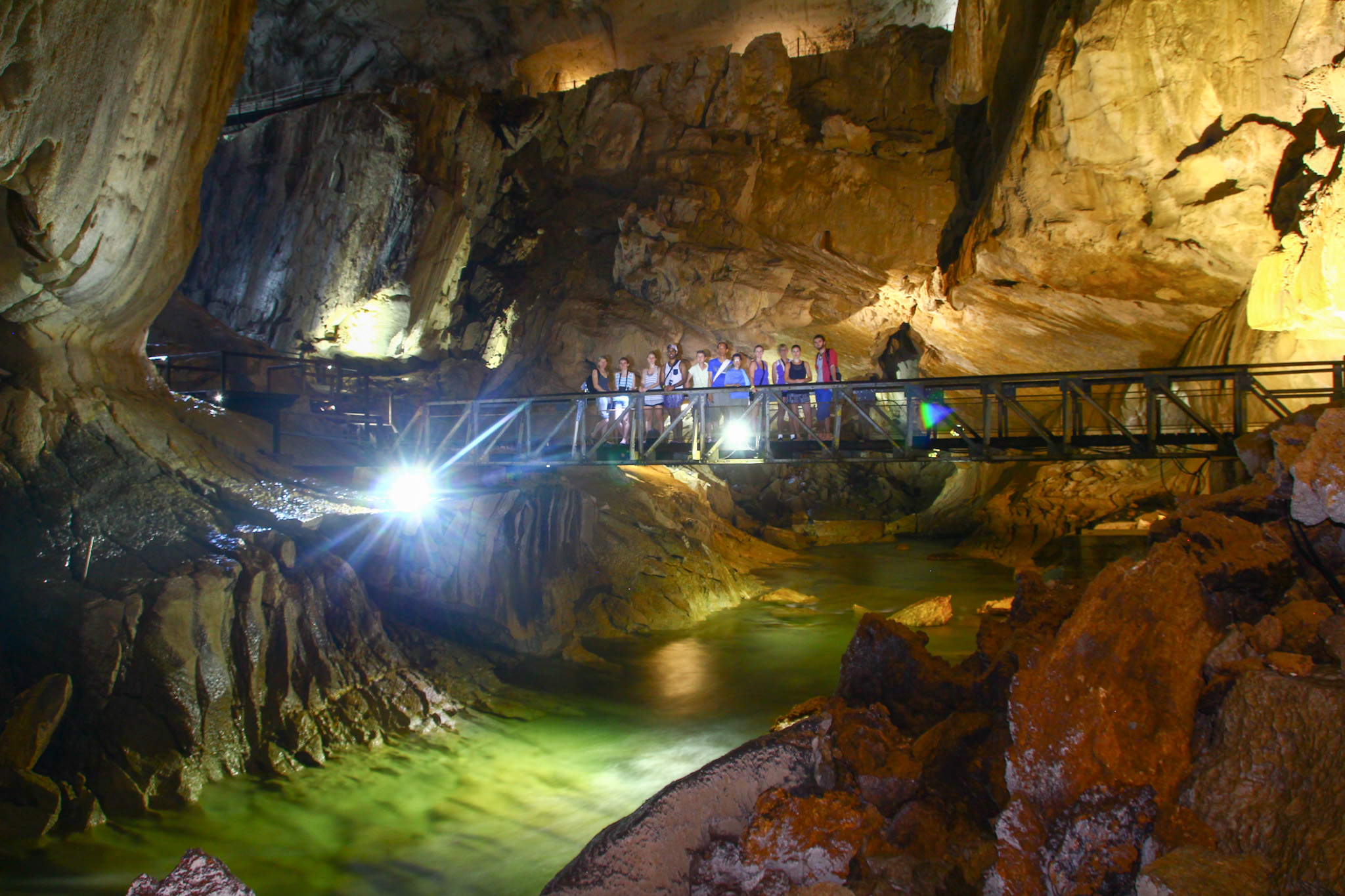
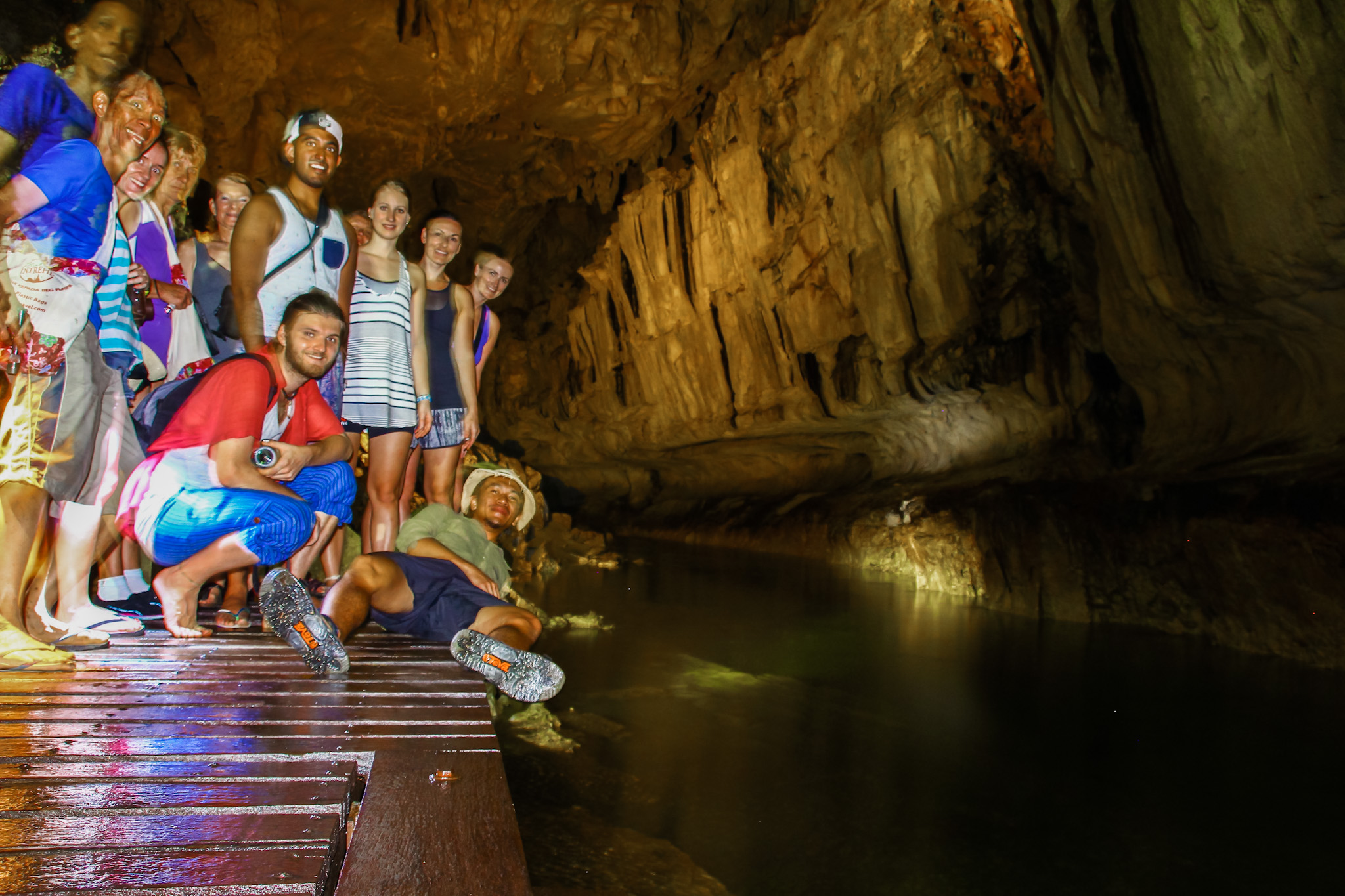
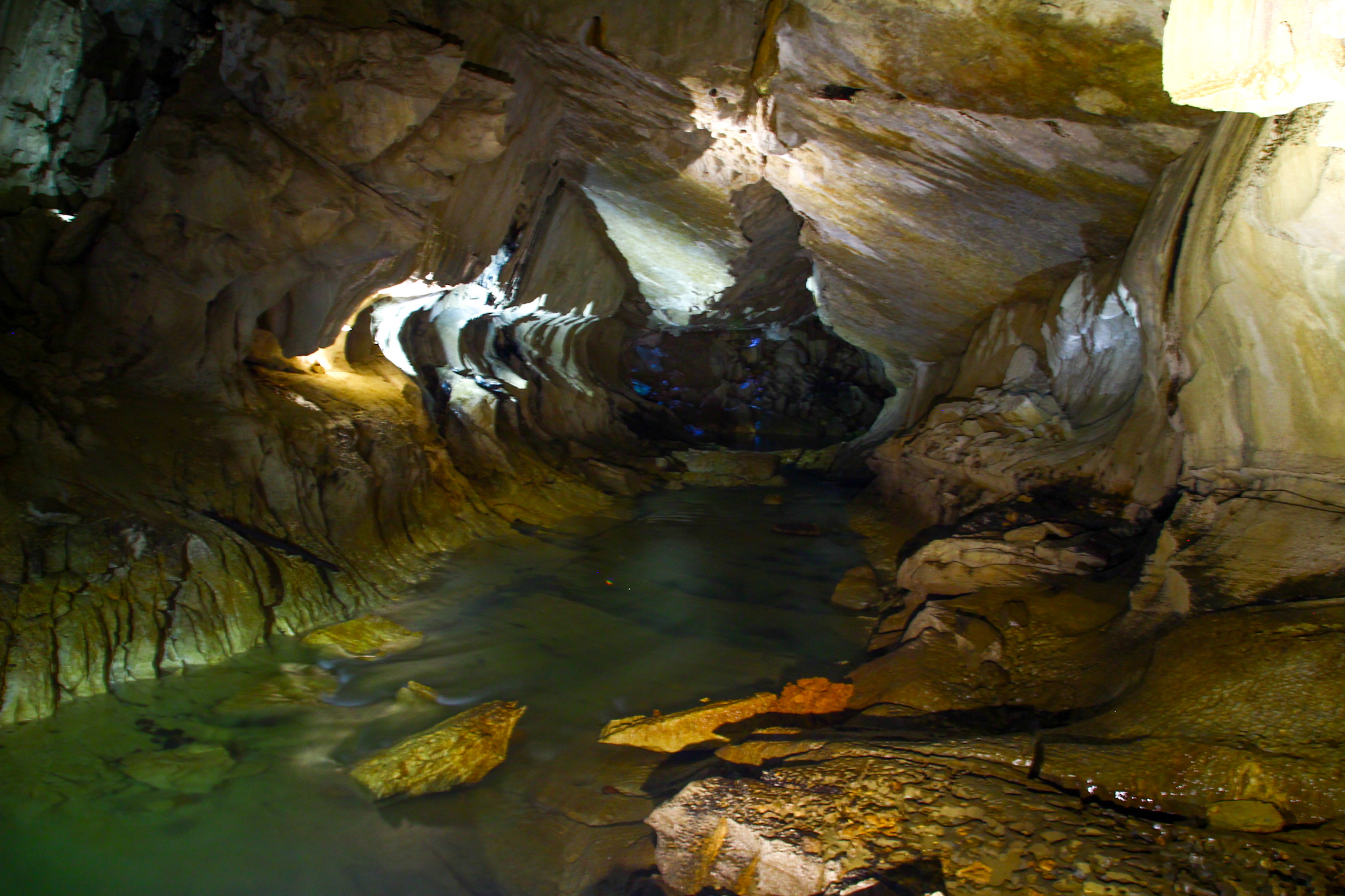
We then made our way via a plank walk that carves its way around overhanging cliff faces, to Clearwater Cave. This would have to be my favourite cave system. It is the longest underwater river in Southeast Asia, measuring over 200 kilometres long. The 200 step climb, up to the caves entrance, was a challenge, but definitely worth the reward once you made it inside. The path inside that cave was easy to manage. There were bridges and walkways that meandered around a large underground river that ran through the cave. The river was so calm in the areas we walked, but the sound of a roaring river further in the cave made wonder how big it actually got the further you walked.
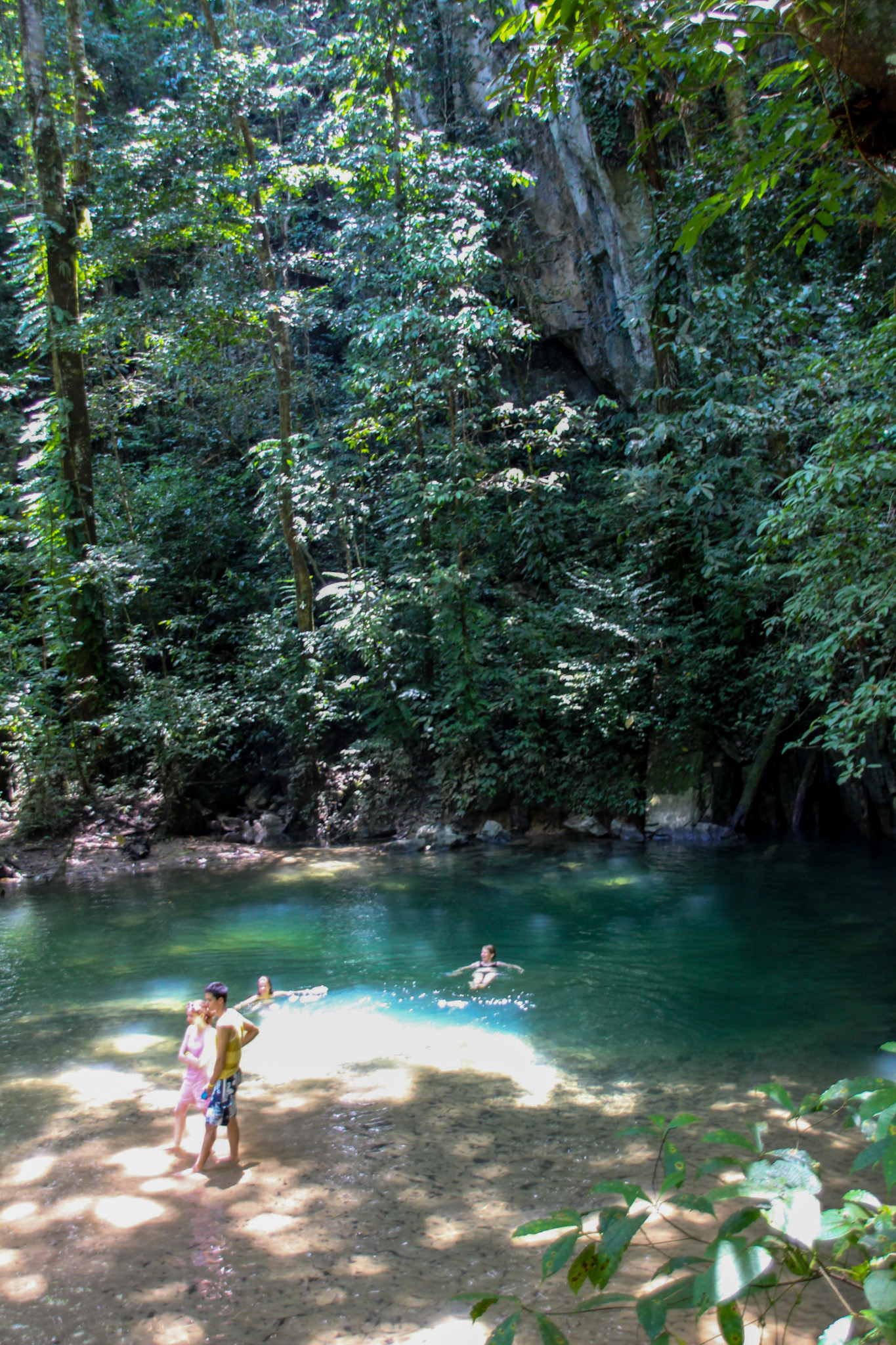
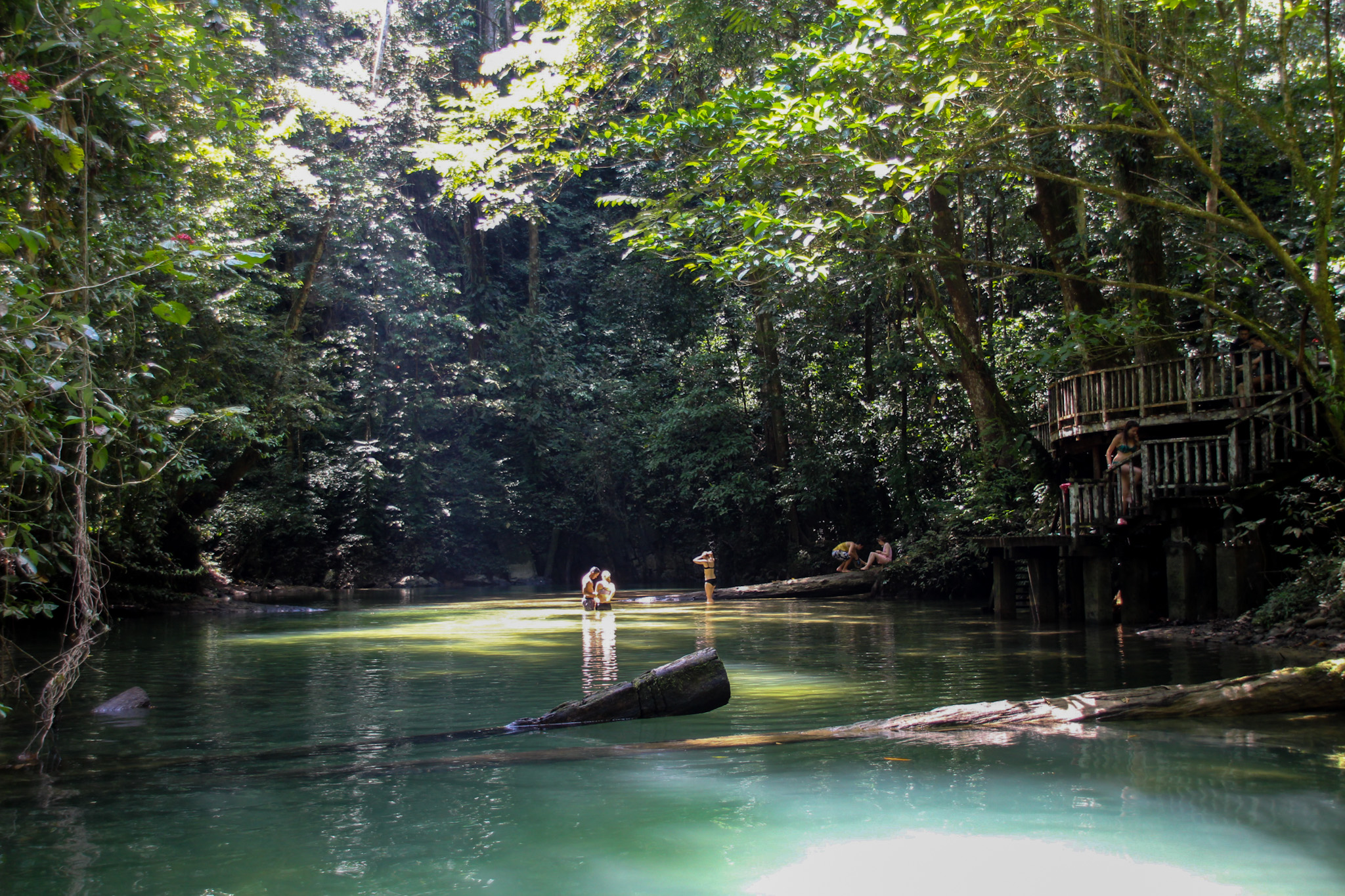
After lunch, we had a quick swim in the swimming hole that offered the clearest and most refreshing water that flowed from the underground river.
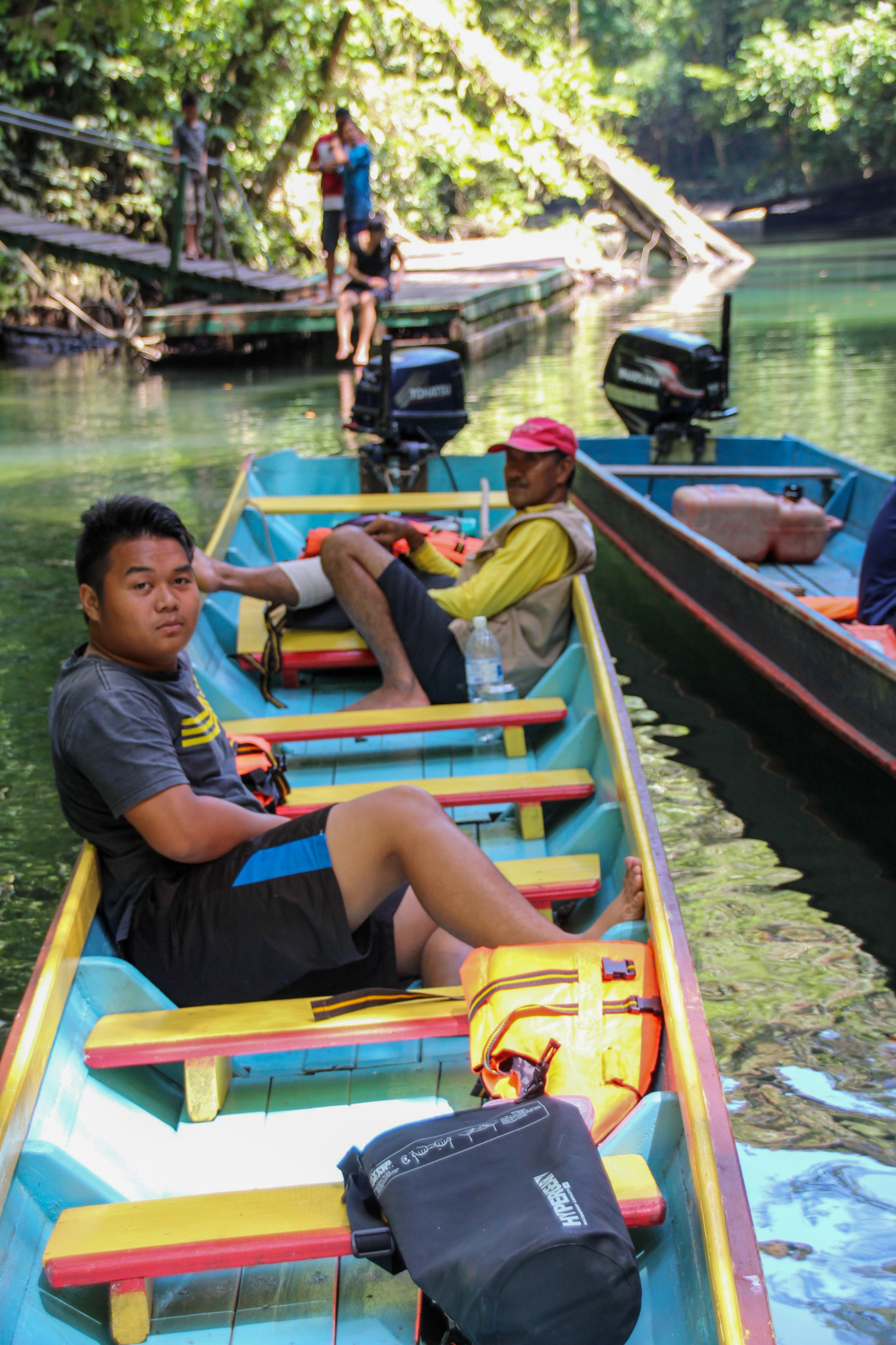
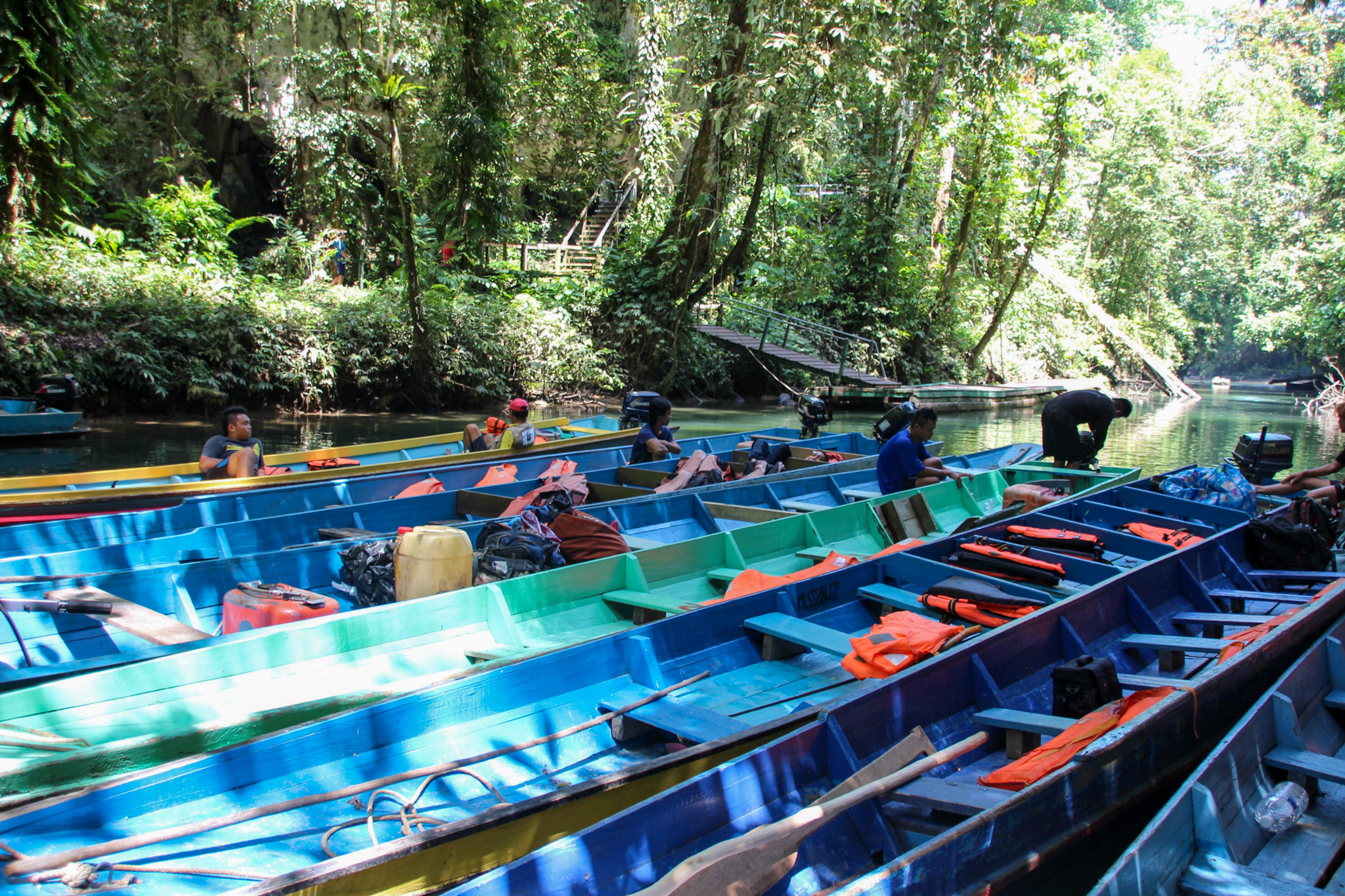
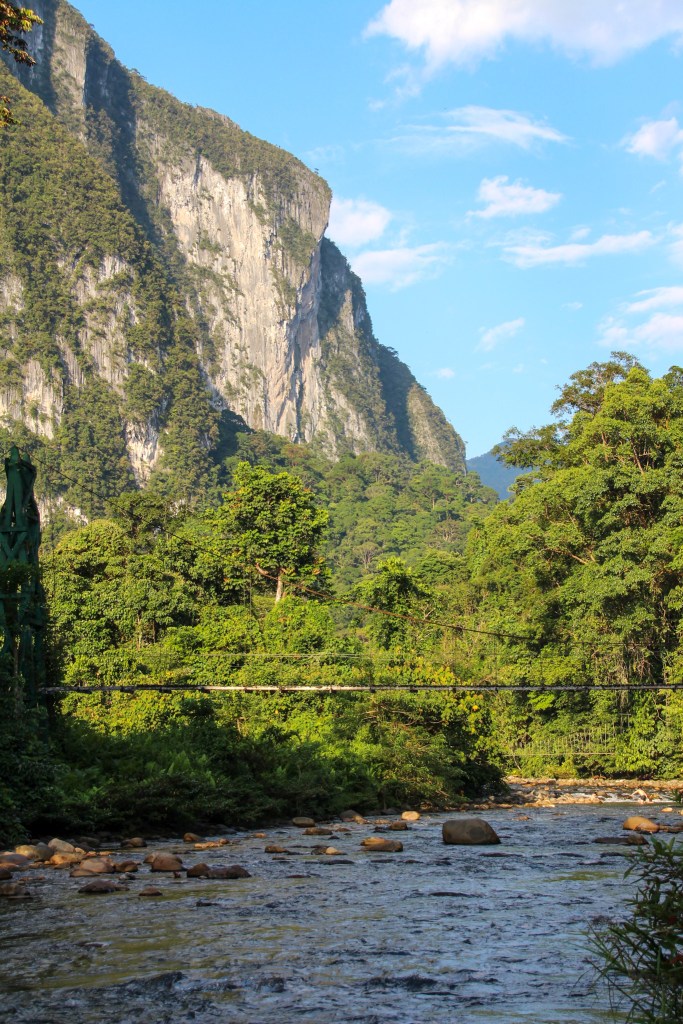
We then caught the longboat downriver, where we began our 9 kilometre hike to Camp 5, at Melinau Gorge. The hike offered beautiful scenery as we walked through dense jungle. The hike itself was not difficult and was primarily flat, but I did start to struggle as my new hiking boots had caused a large blister on my heel. I ended up falling behind majority of the group (I wasn’t the last…), so I could walk at a slower pace to try and ease the pain the blister was causing. In the end, I had to suck it up and push through the pain, so I just tried not to think about it.
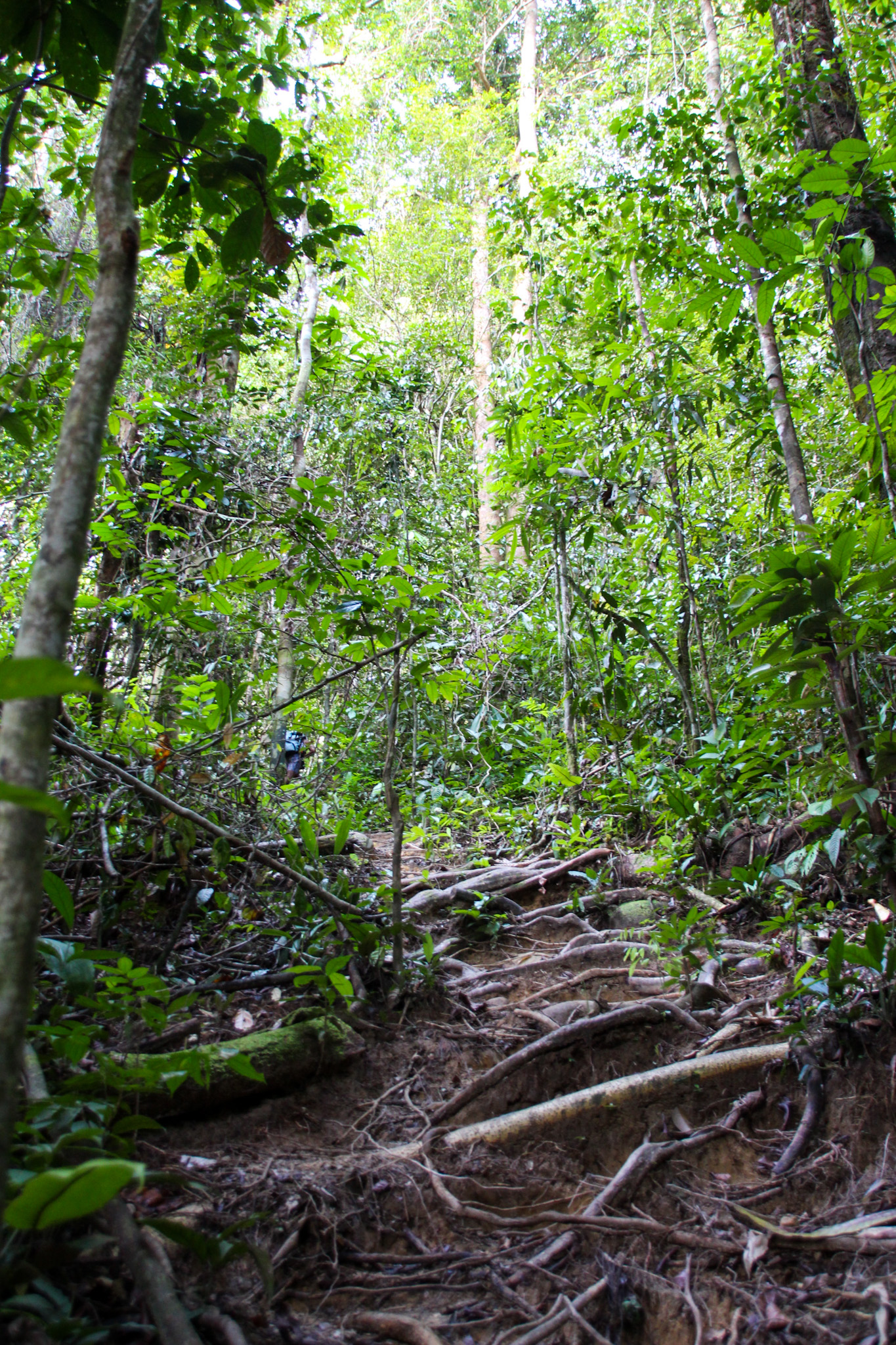
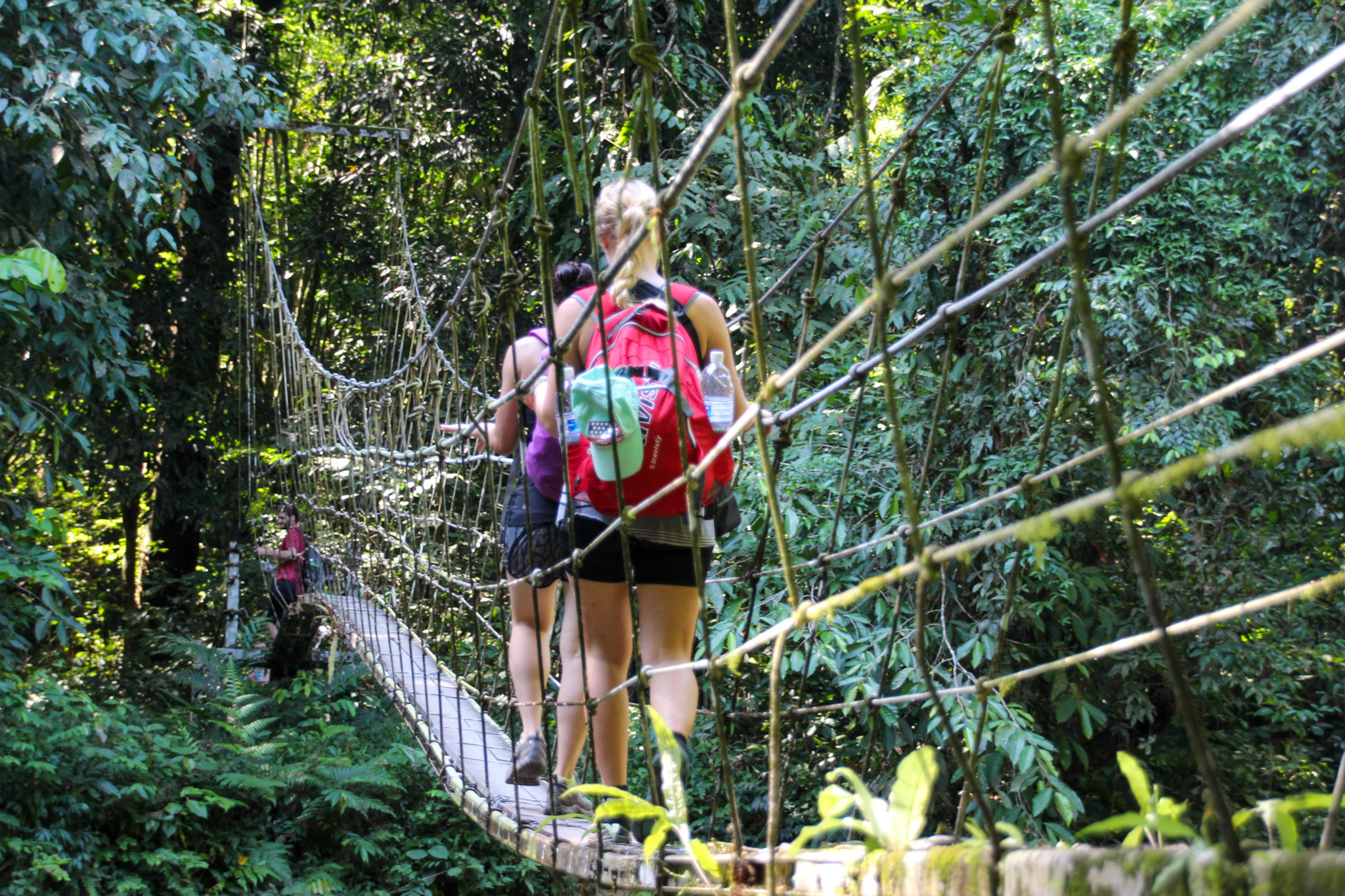
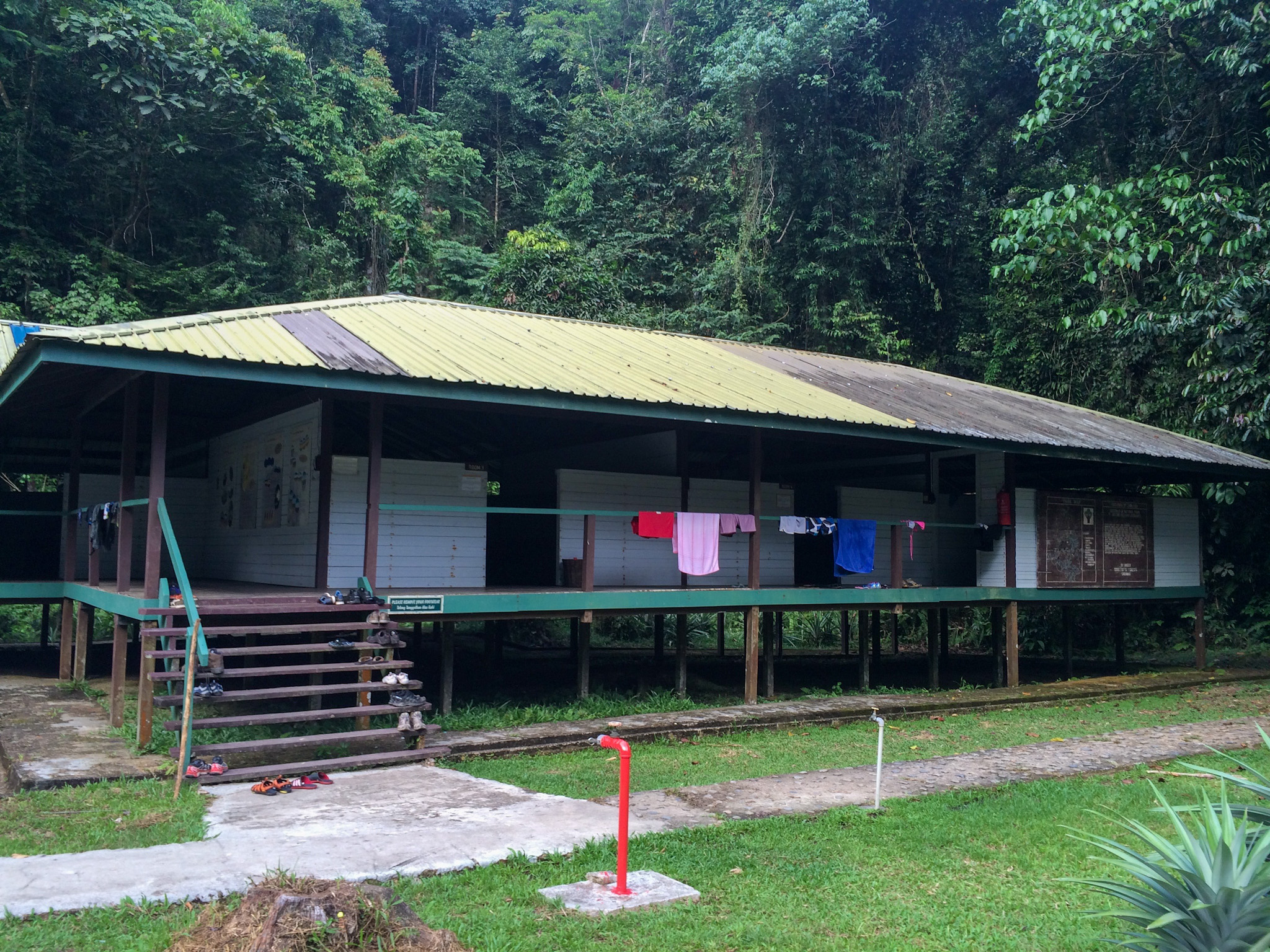
Once we reached Camp 5, I was so relieved to rip my shoes off to see the size of what had caused me so much grief. My main worry was, ‘how was I going to put shoes on again tomorrow for another 11 kilometre hike?’. So we popped the blister, covered with a bandaid and went to enjoy the unbelievable views we were surrounded by. We took a well deserved soak in the cold, freshwater river. We found a small rock pool and swam in there, whilst pretty white butterflies fluttered around us.
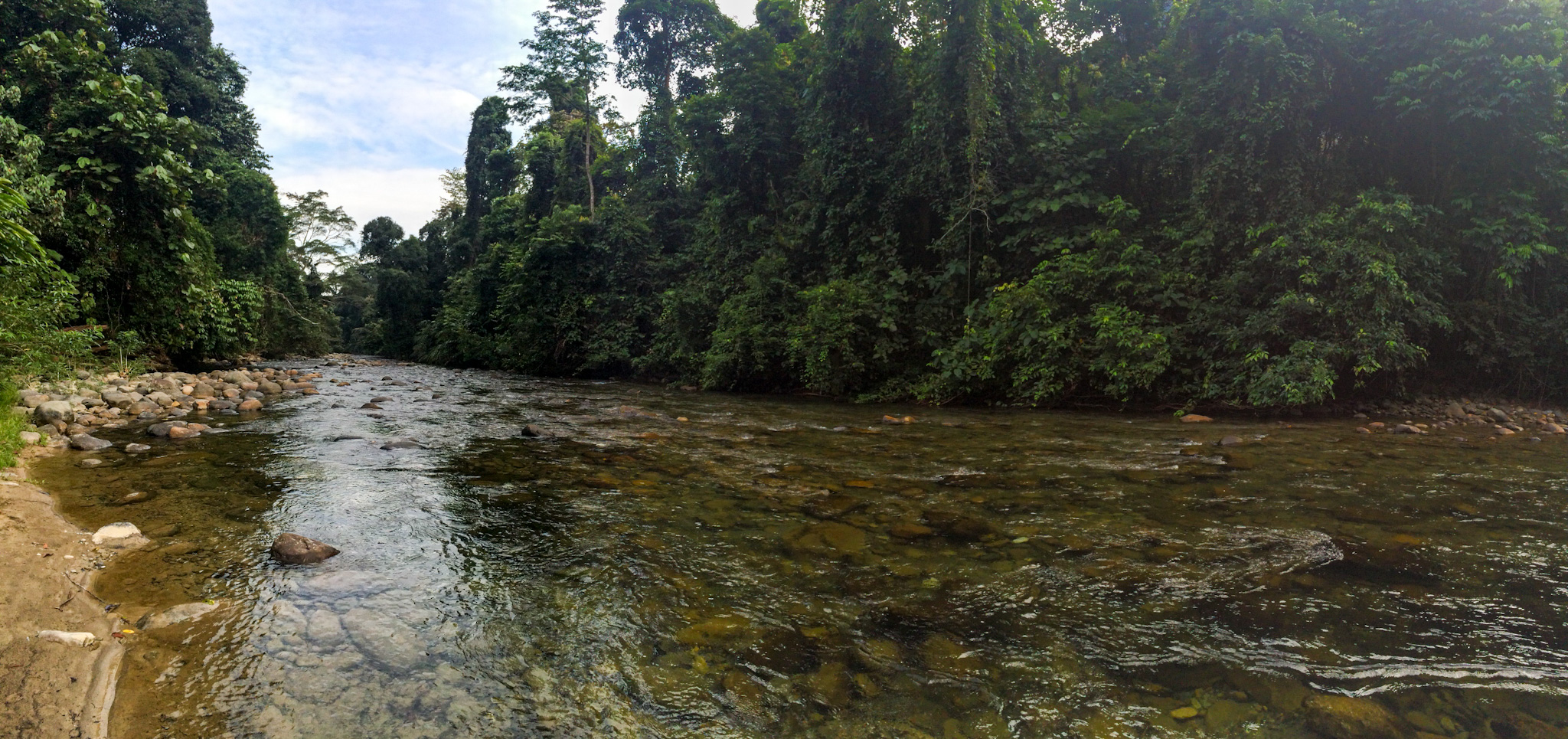
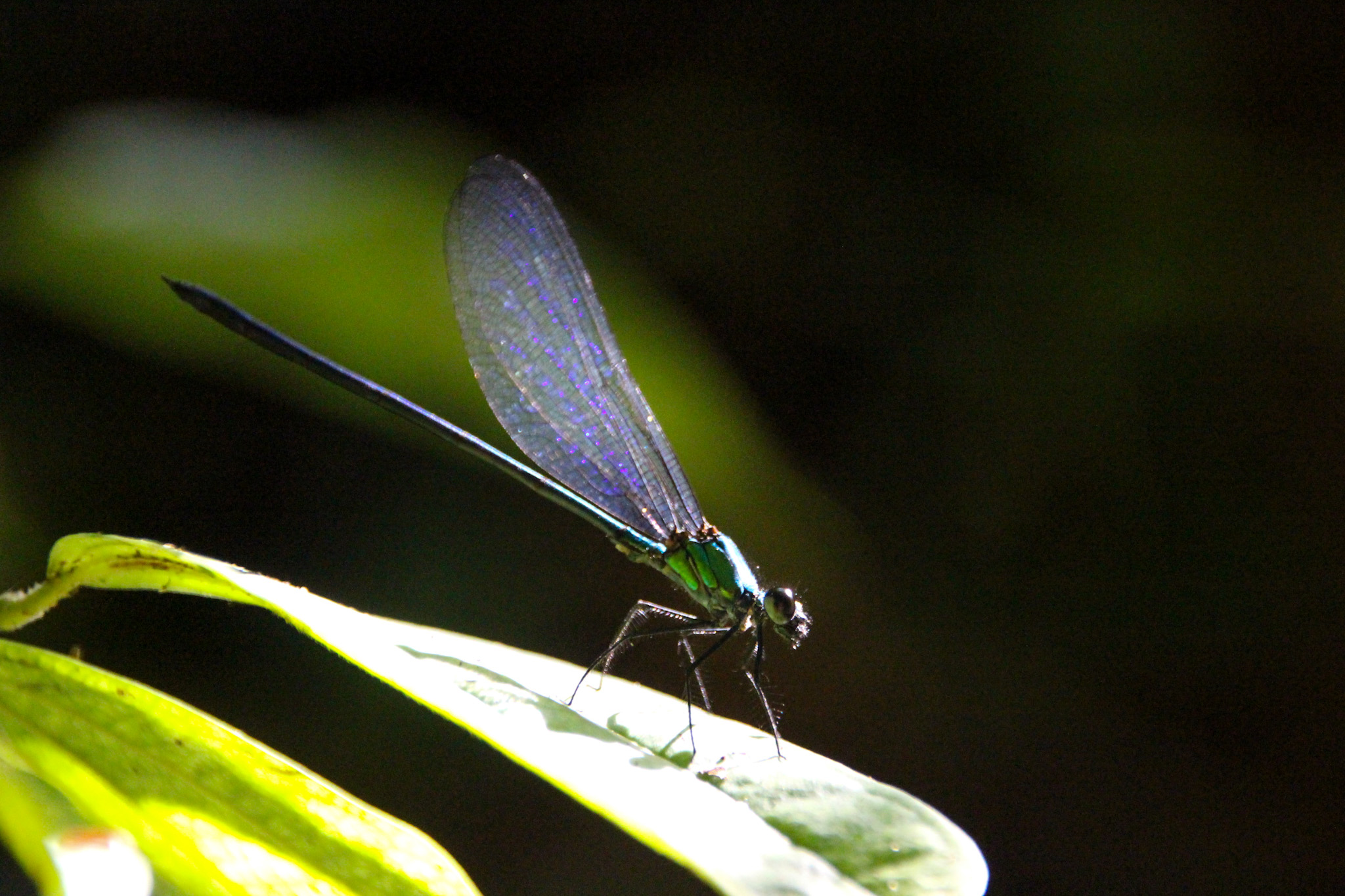
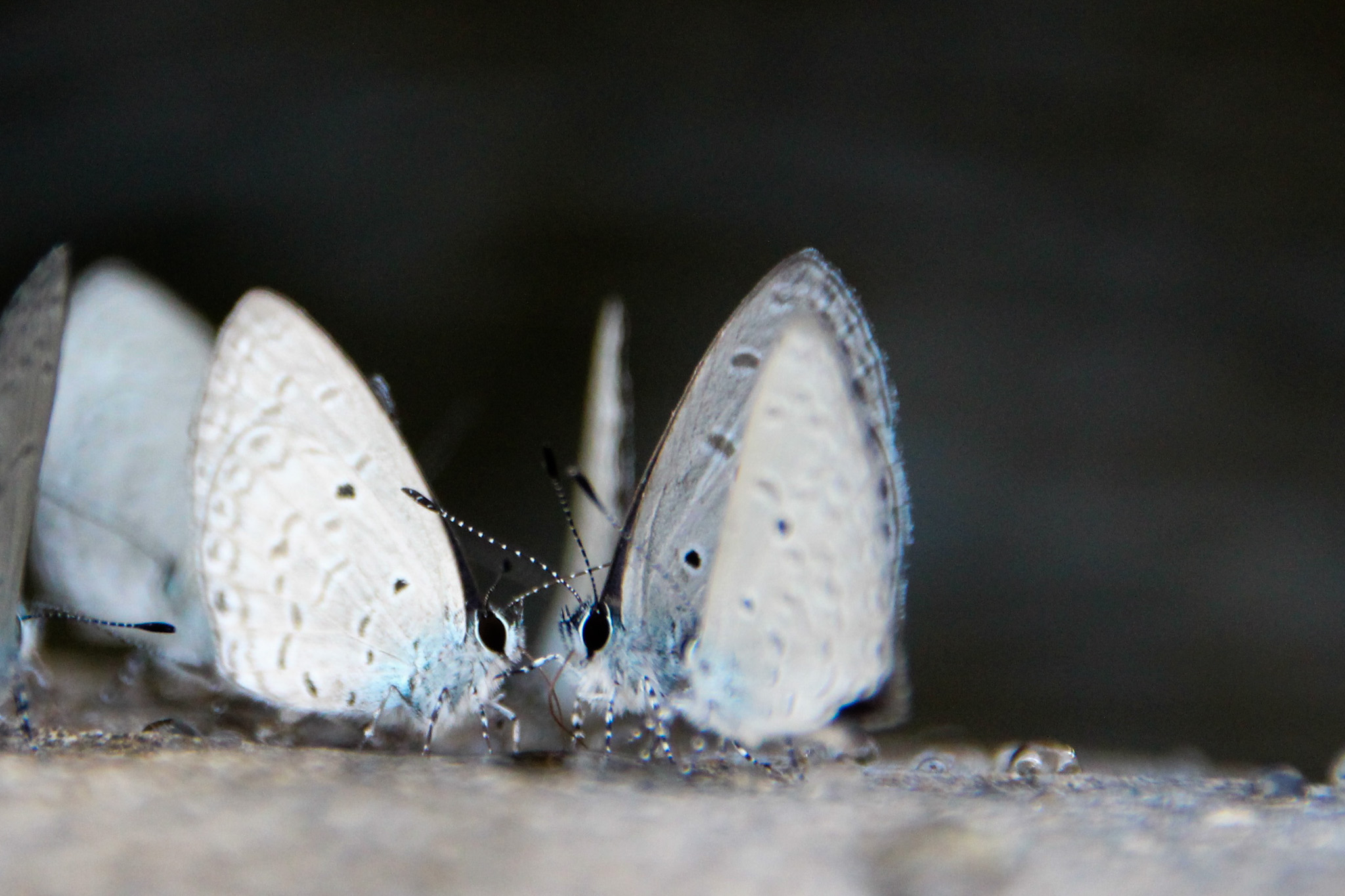
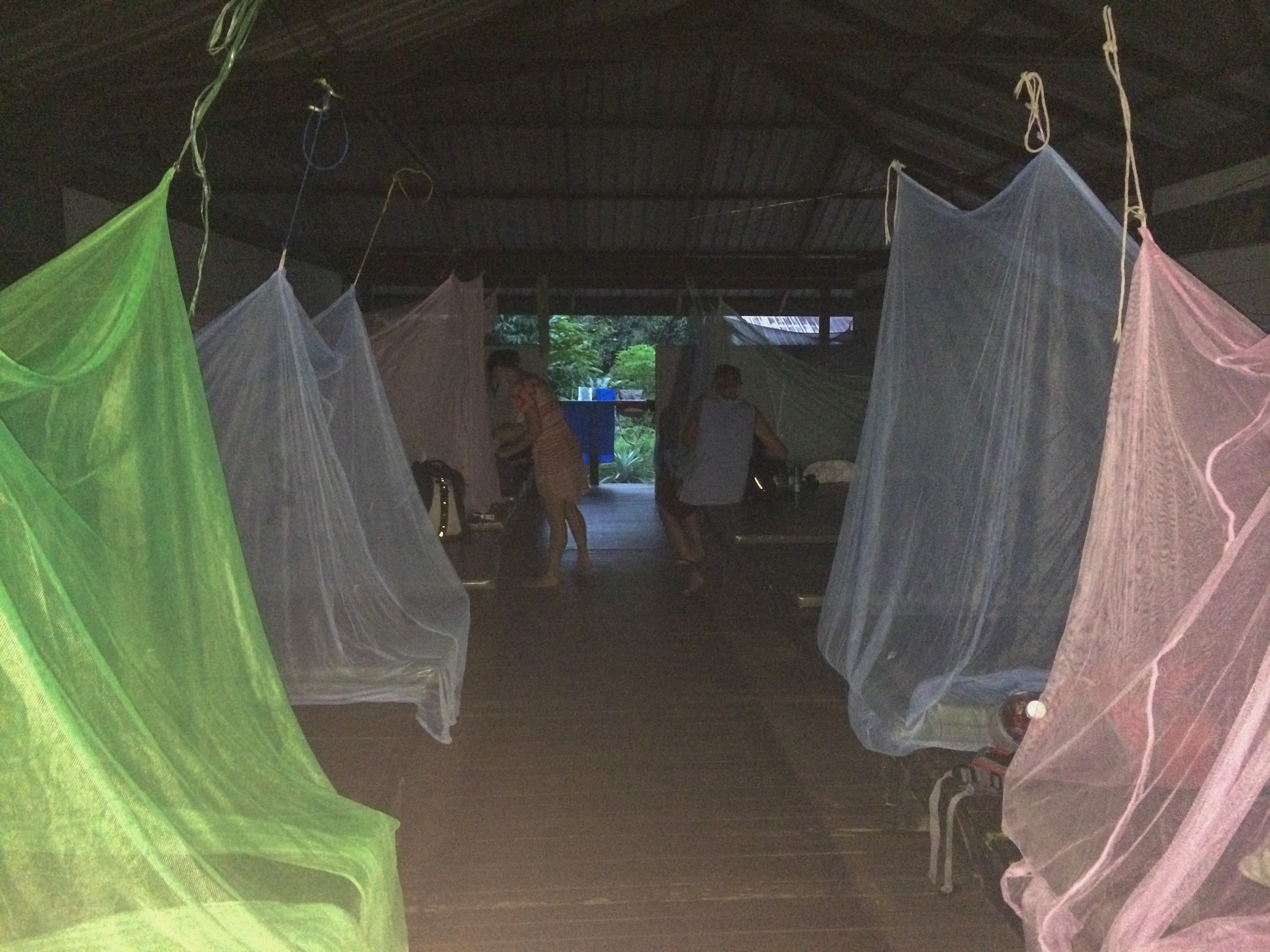
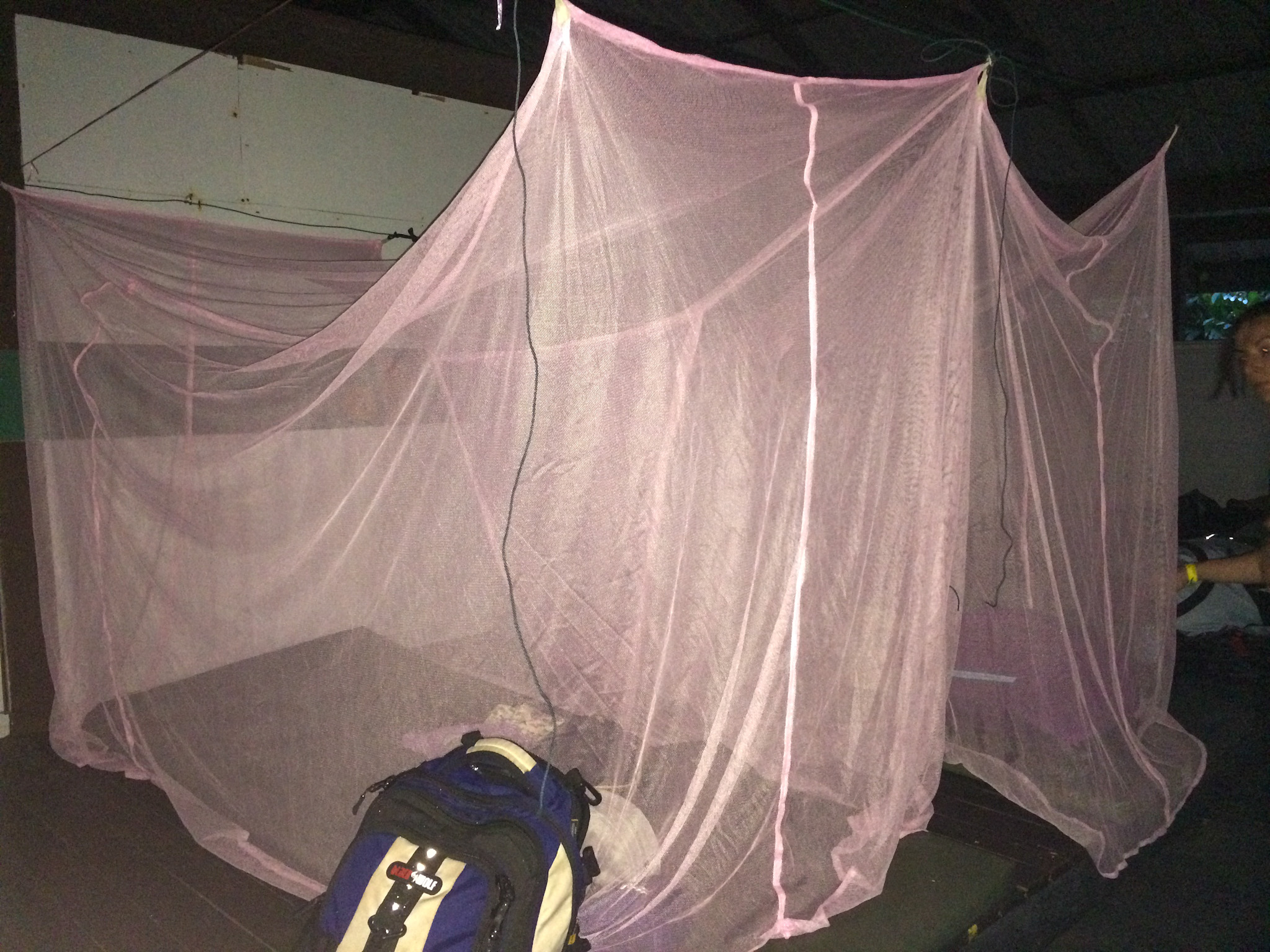
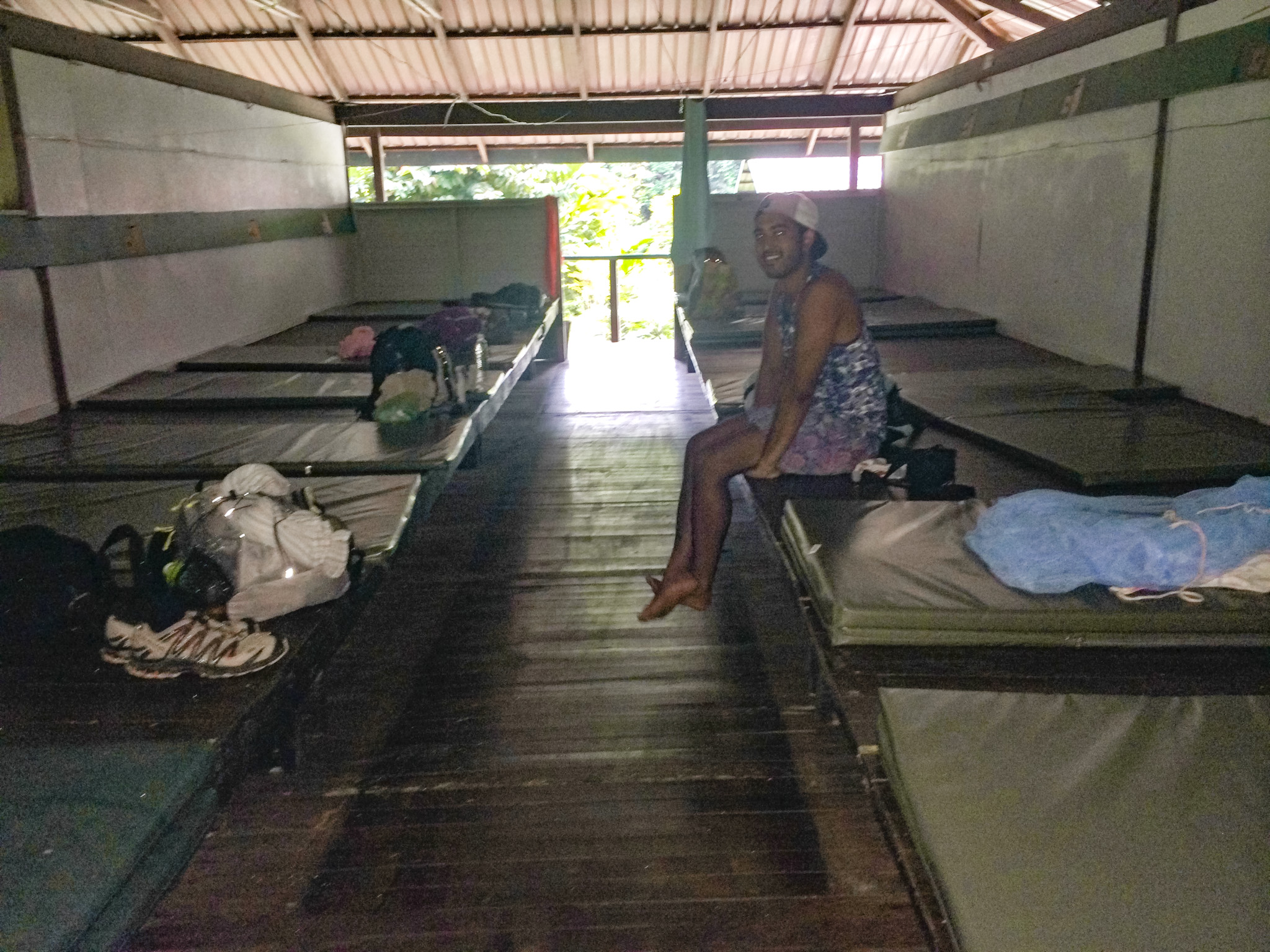
That night we slept in an open air platforms in the middle of the dense jungle. Each bed consisted of a single mat with an individual mosquito net. Considering how basic the sleeping arrangement was, I slept so well!! However, as we were technically sleeping outside, the sounds of the jungle was ear-piercingly loud.
Day 8: Headhunters Trail to Limbang
This morning we woke to the sounds of nature. After breakfast we started the famous Headhunters Trail. This is a 12 kilometre hike that is remotely located in the Borneo jungle. The trail used to be the route that headhunters from warring tribes would take when raiding rival villages.
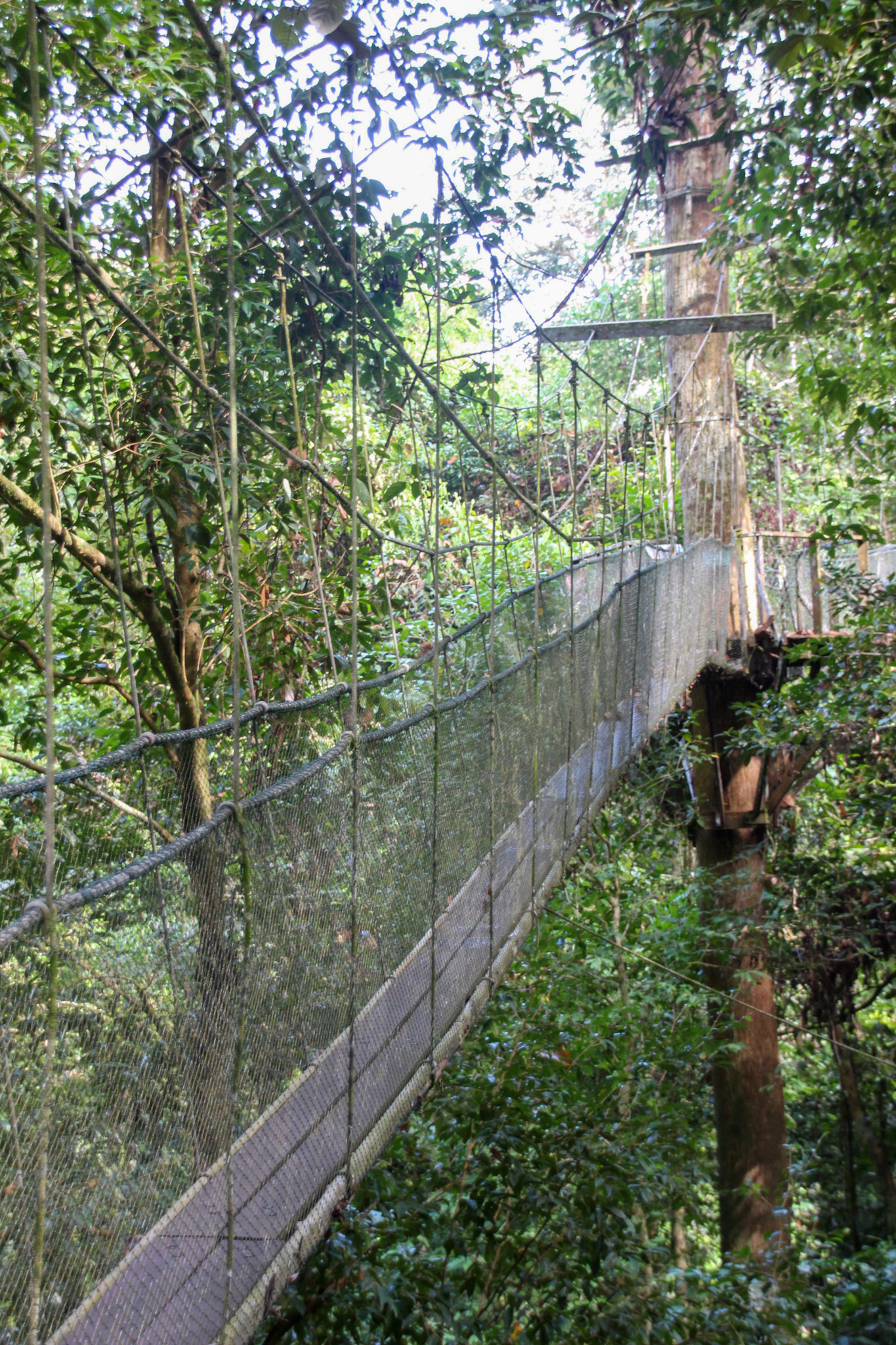
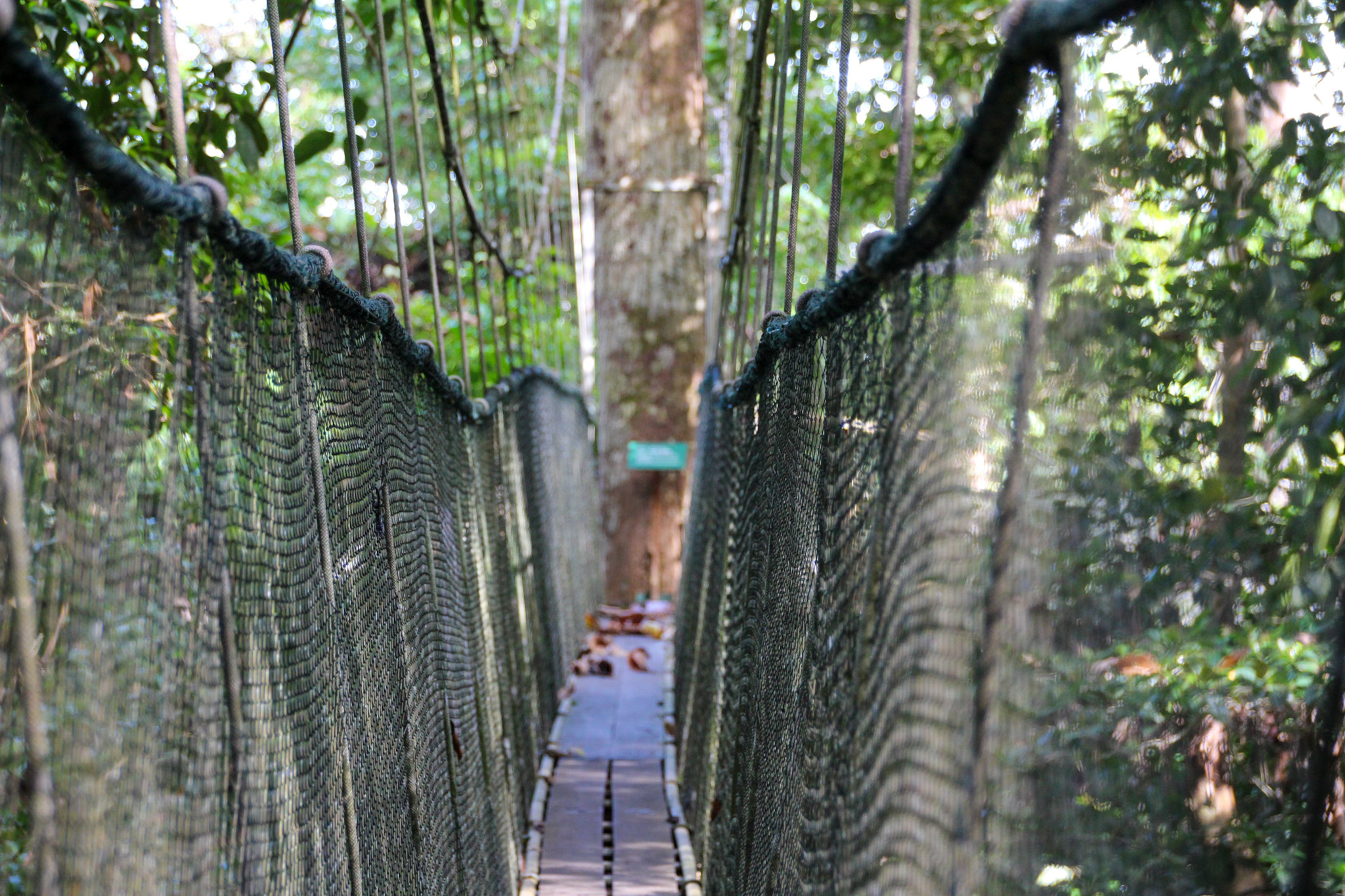
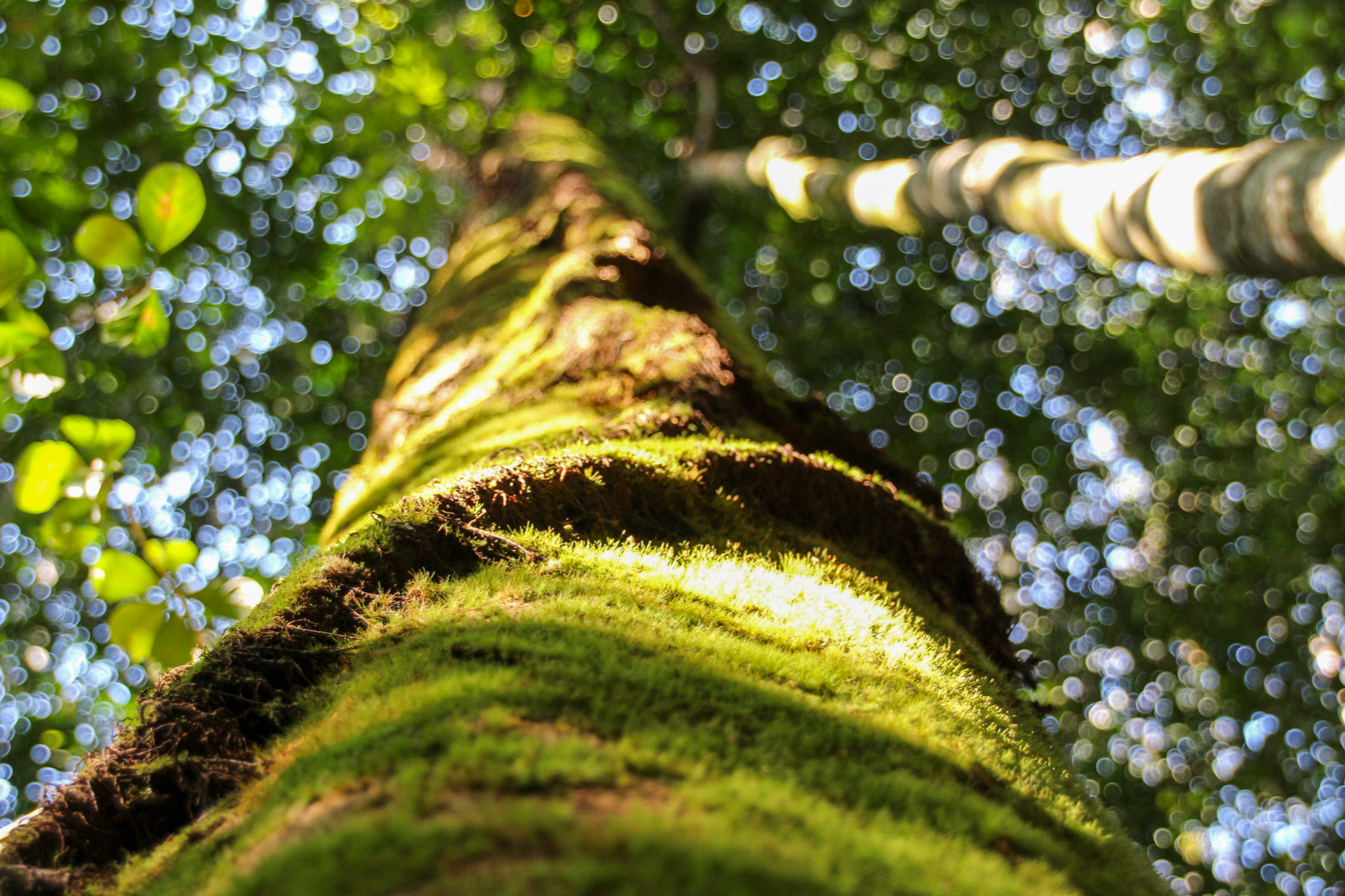
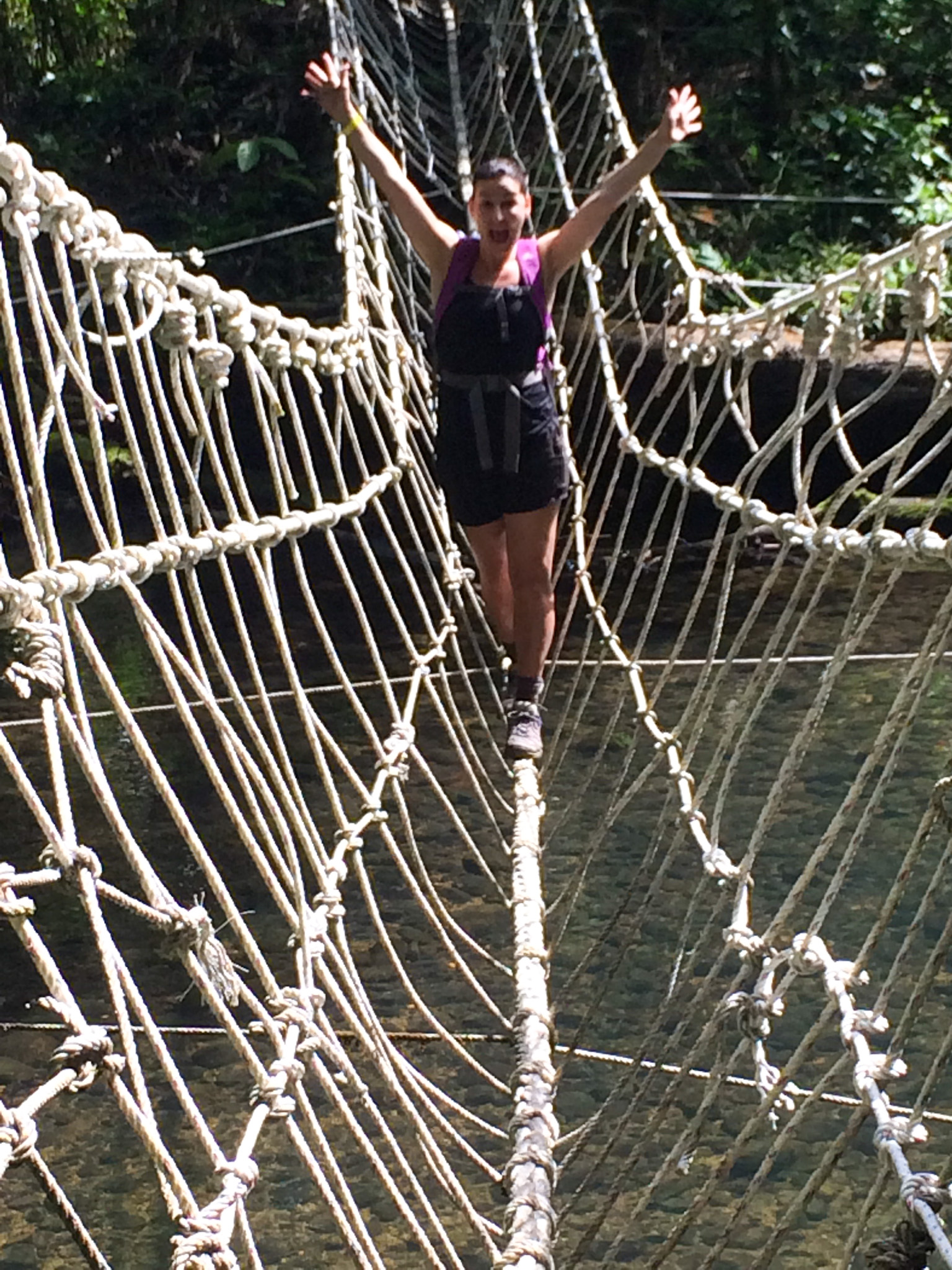
We crossed rivers and streams via rope bridges and stopped to rest on huge moss-covered logs.
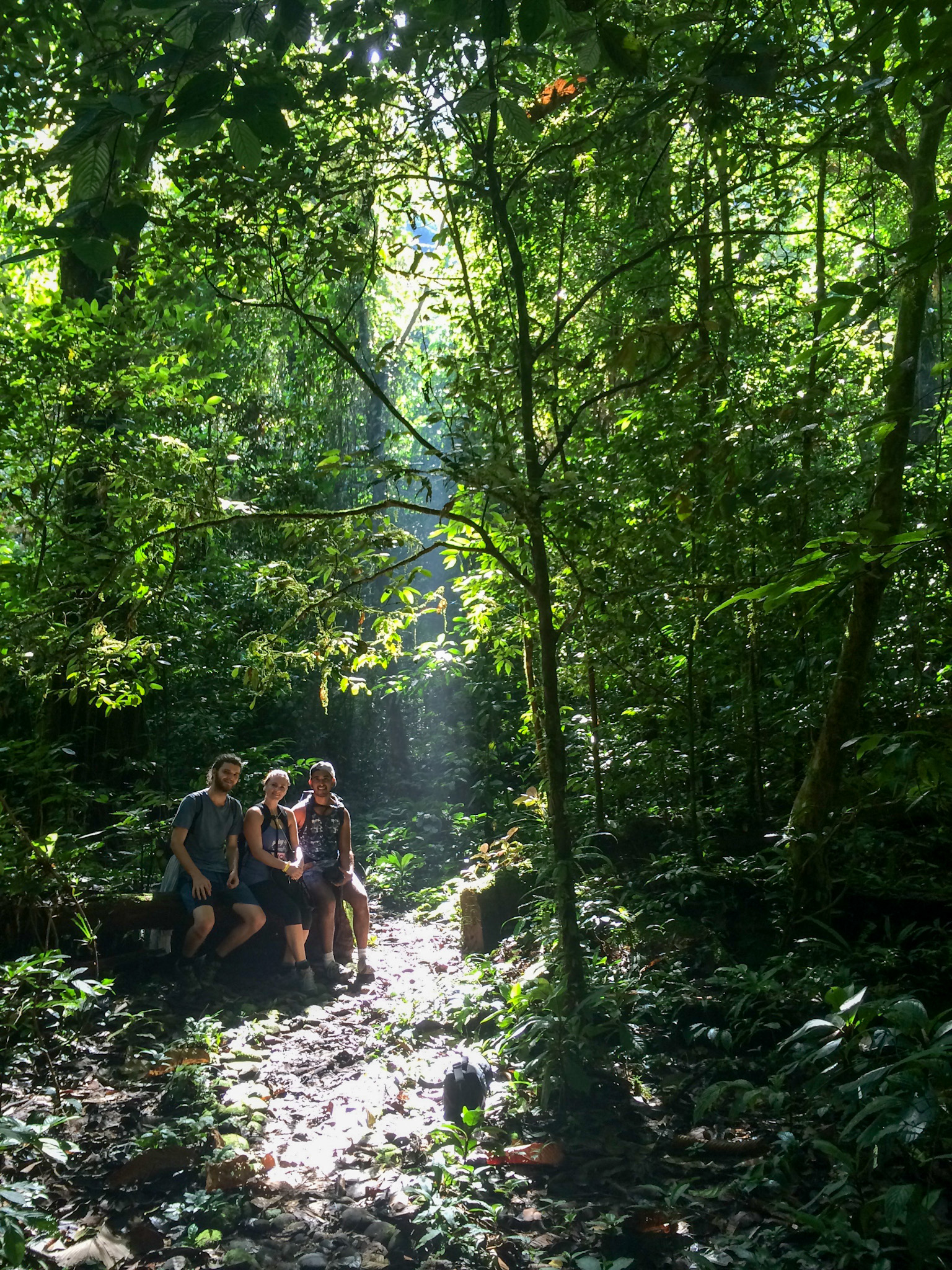
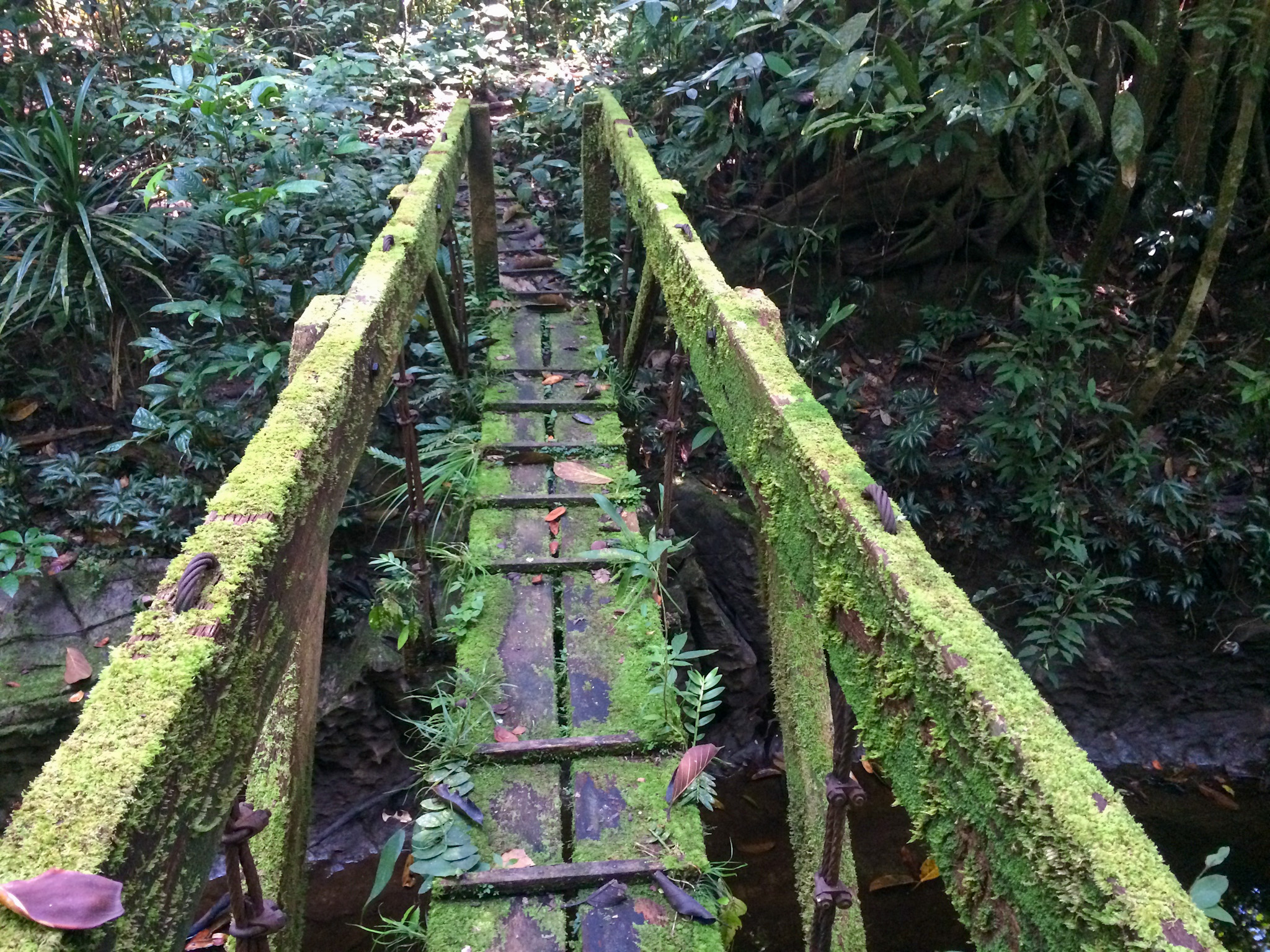
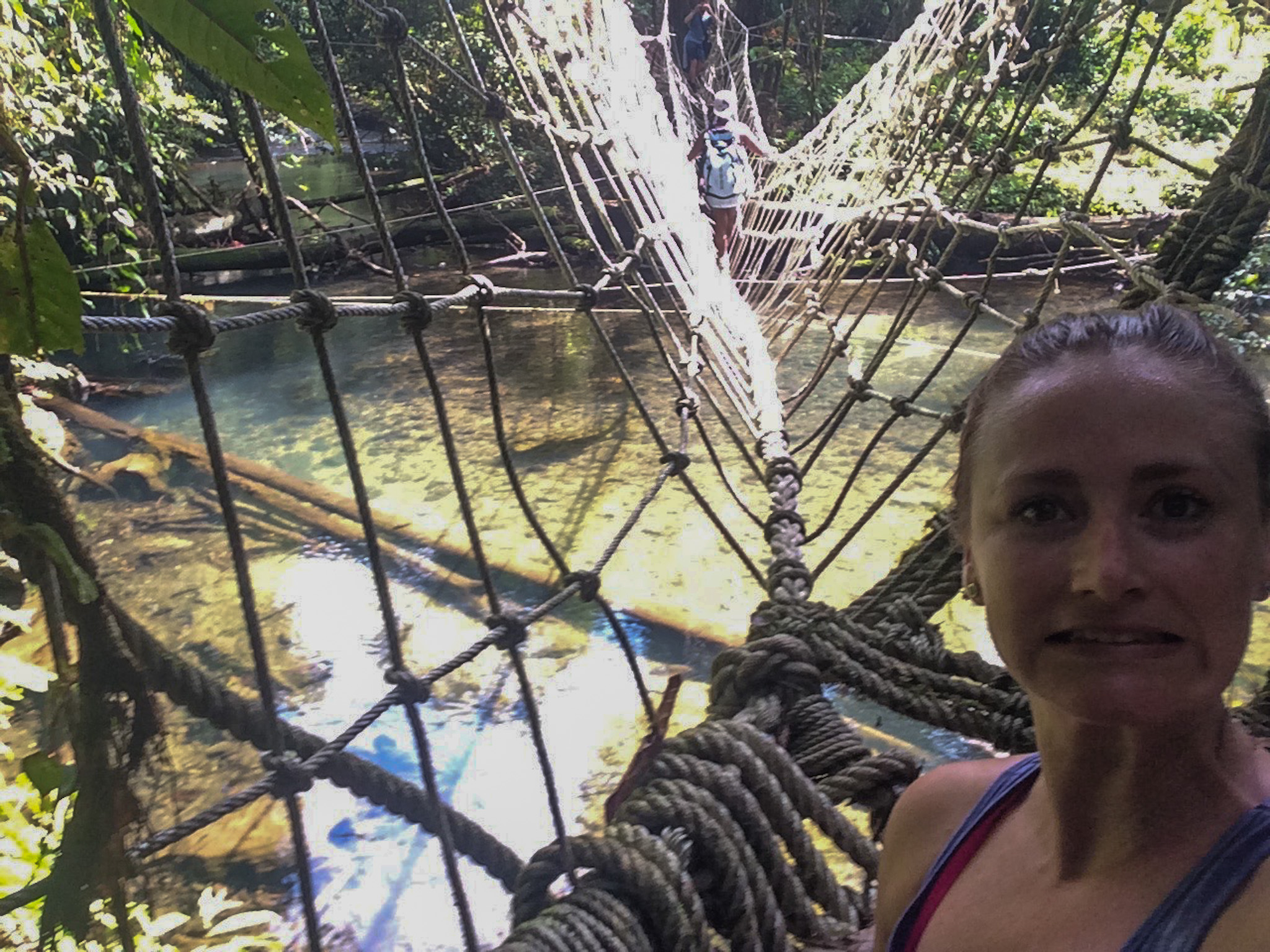
At the end of our trek we boarded a very narrow, wooden longboat and spent the next 2 hours cruising along the river. The seats were hard underneath but it was nice to sit back and take in the views after a hard, two days of hiking. There were some small rapids that we would encountered and there were a couple of moments where the boat got stuck in shallow water and we all had to jump out and push the boat off the rocks, then quickly jump back in. And one moment that I will never forget, is when we nearly capsized! Our boat got stuck on a rock midway through a rapid. The water was pushing us sideways but the boat was stuck half up on a large rock. Some of us jumped out. I just semi-stood and leaned to the opposite side to try and counter balance the lean. We survived without getting wet!!
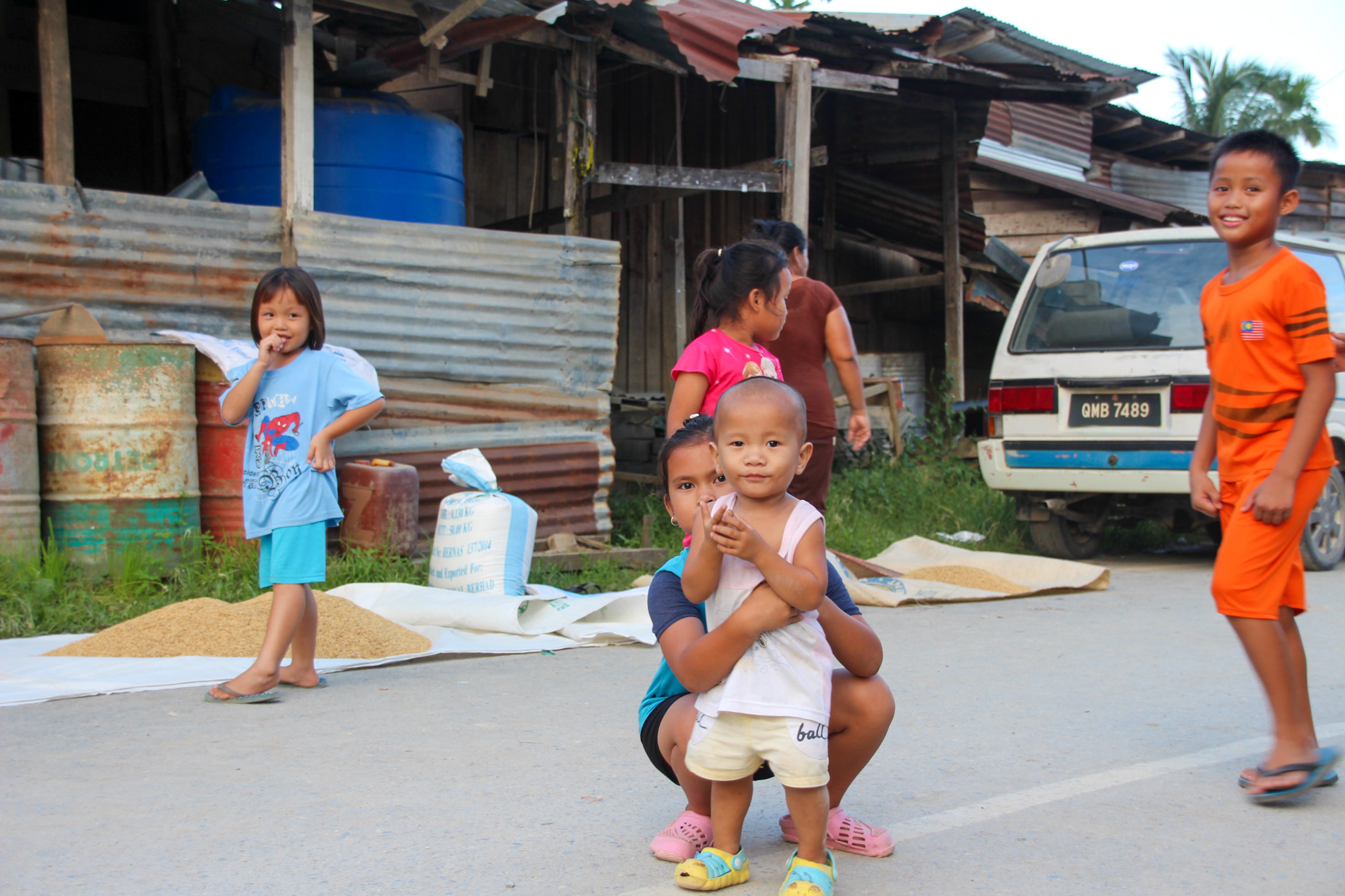
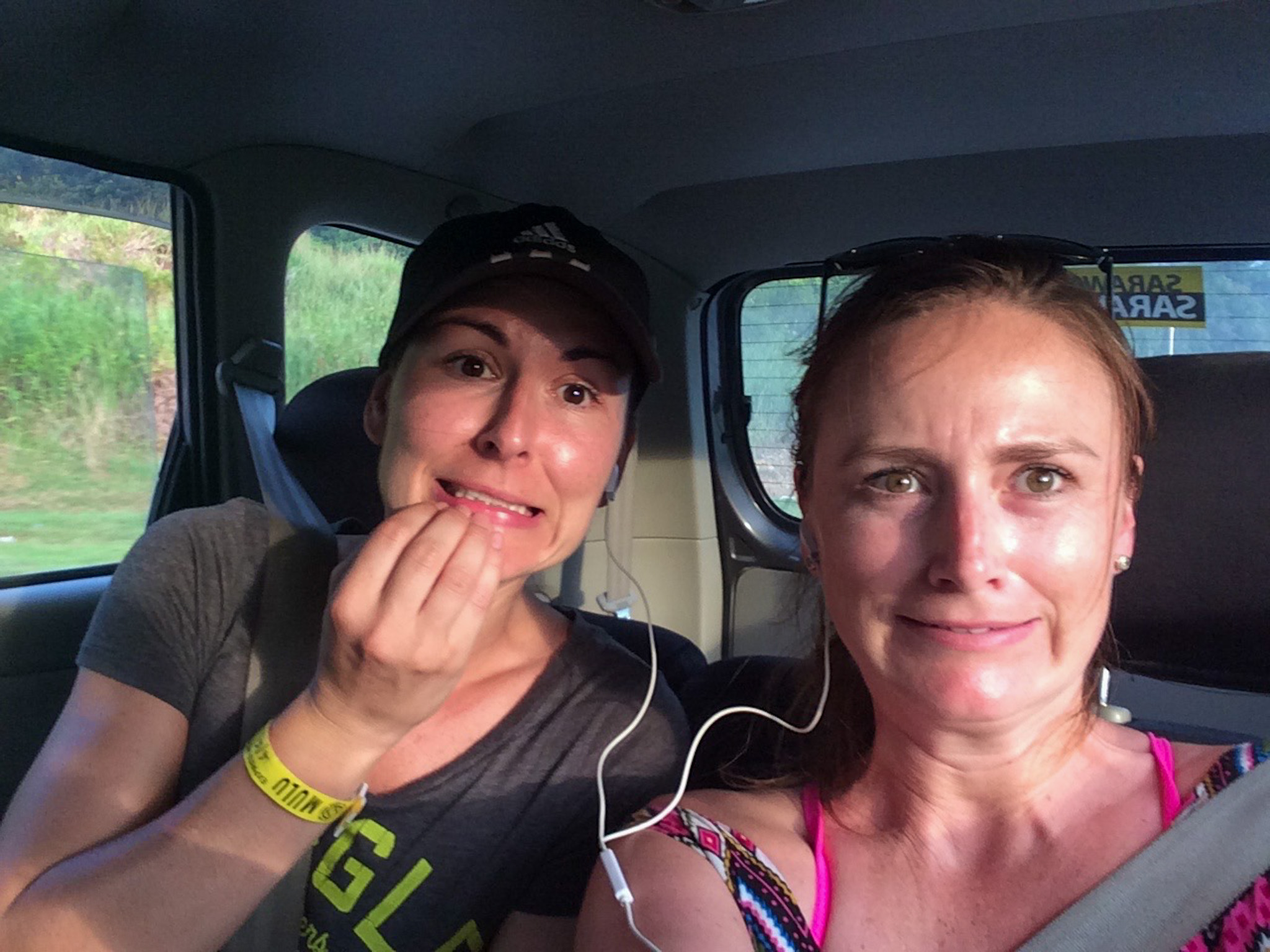
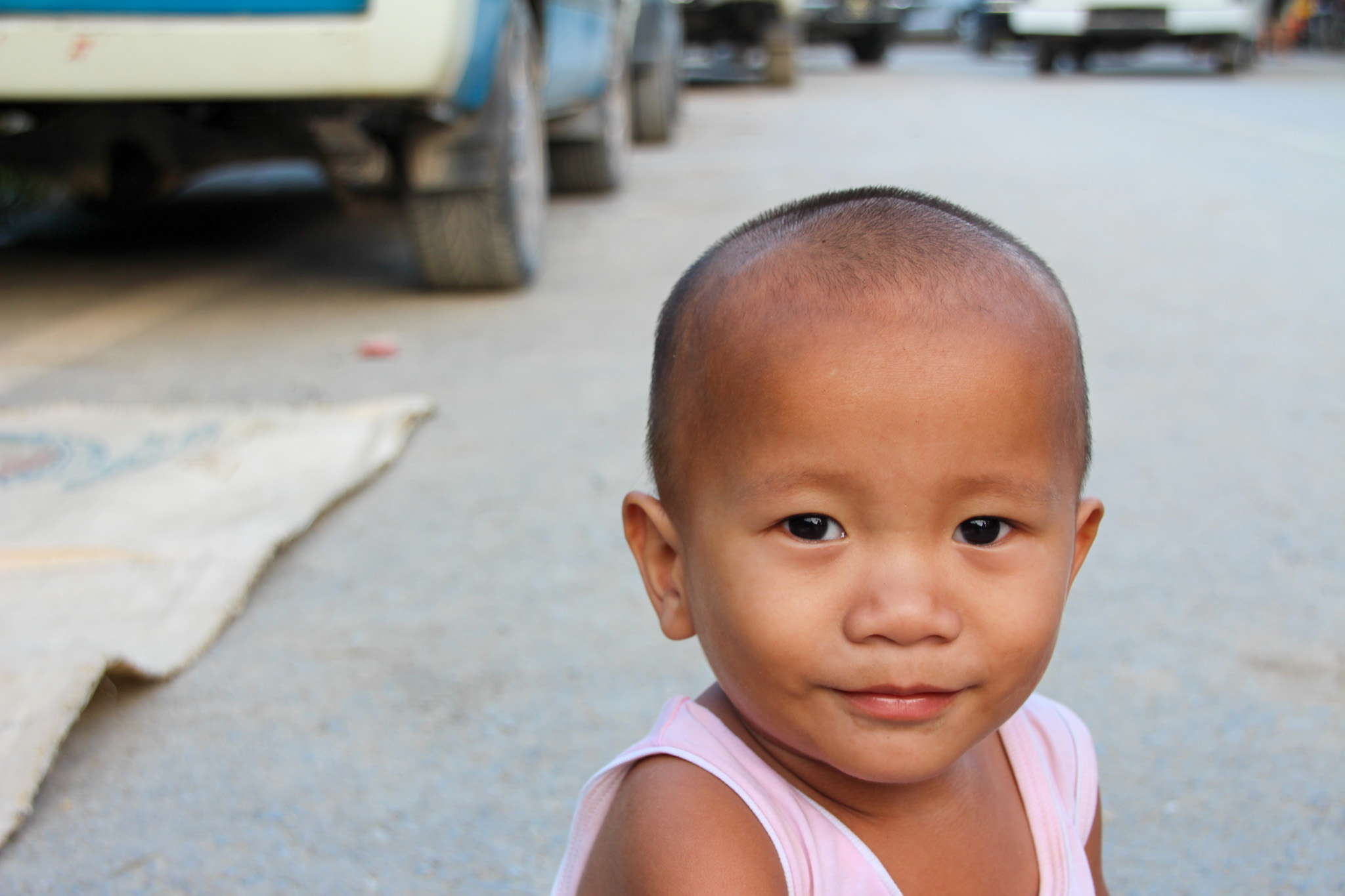
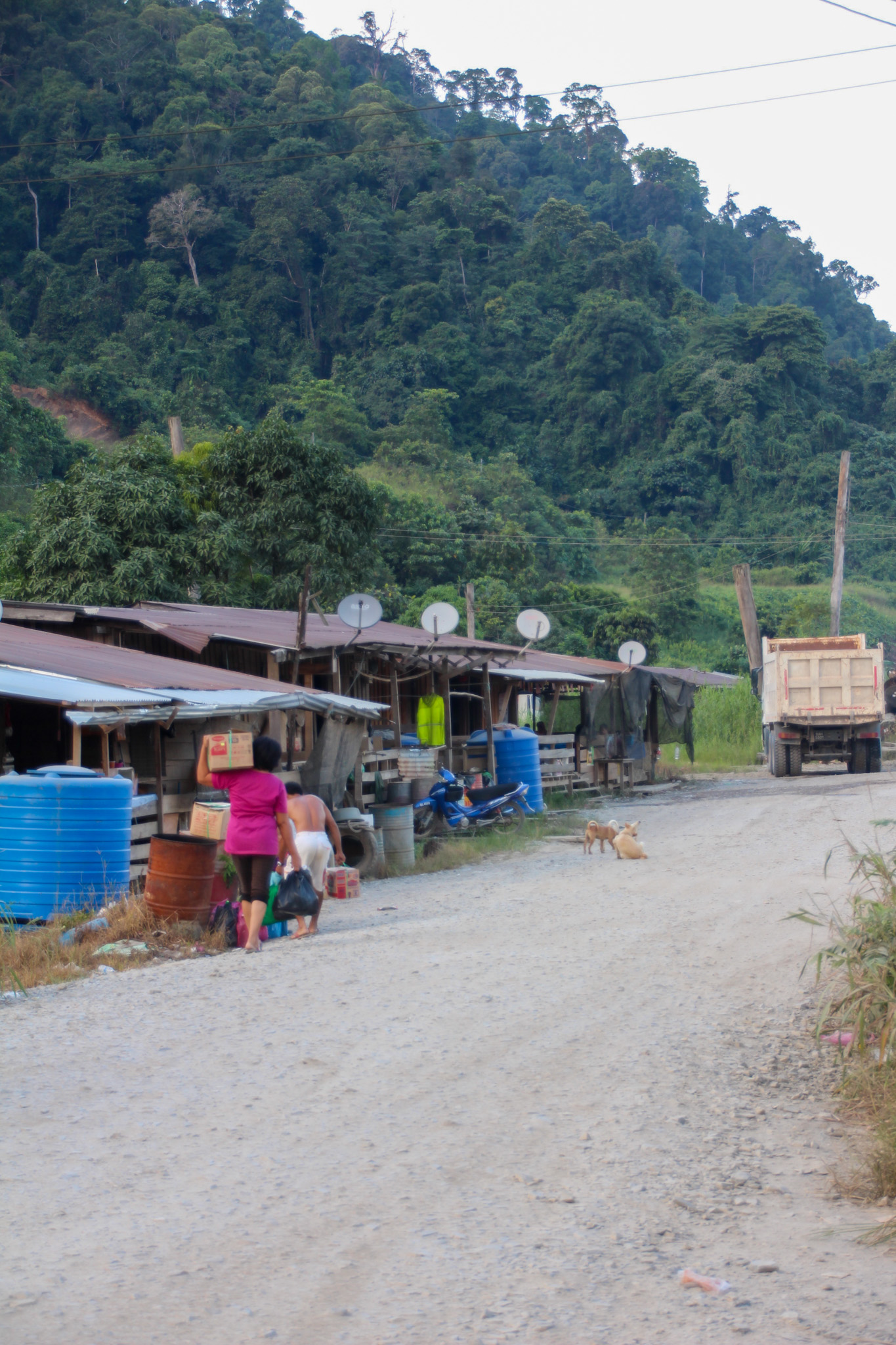
We stopped in a village for lunch along the river before making our way to Medamit where we transferred via car to the town of Limbang. Kaylah and I were in the back of our car scared for our lives as the driver was going so fast we thought we were going to die! We stayed at the Purnama Hotel and were so happy to be reunited with our bags and some clean clothes.
Day 9: Kota Kinabalu
This morning we boarded the ferry to Labuan Island. The journey took around 2 hours and we utilised this time to catch up on sleep. The seat configuration was a 3 by 3 and were comfortable enough for our tired bodies.
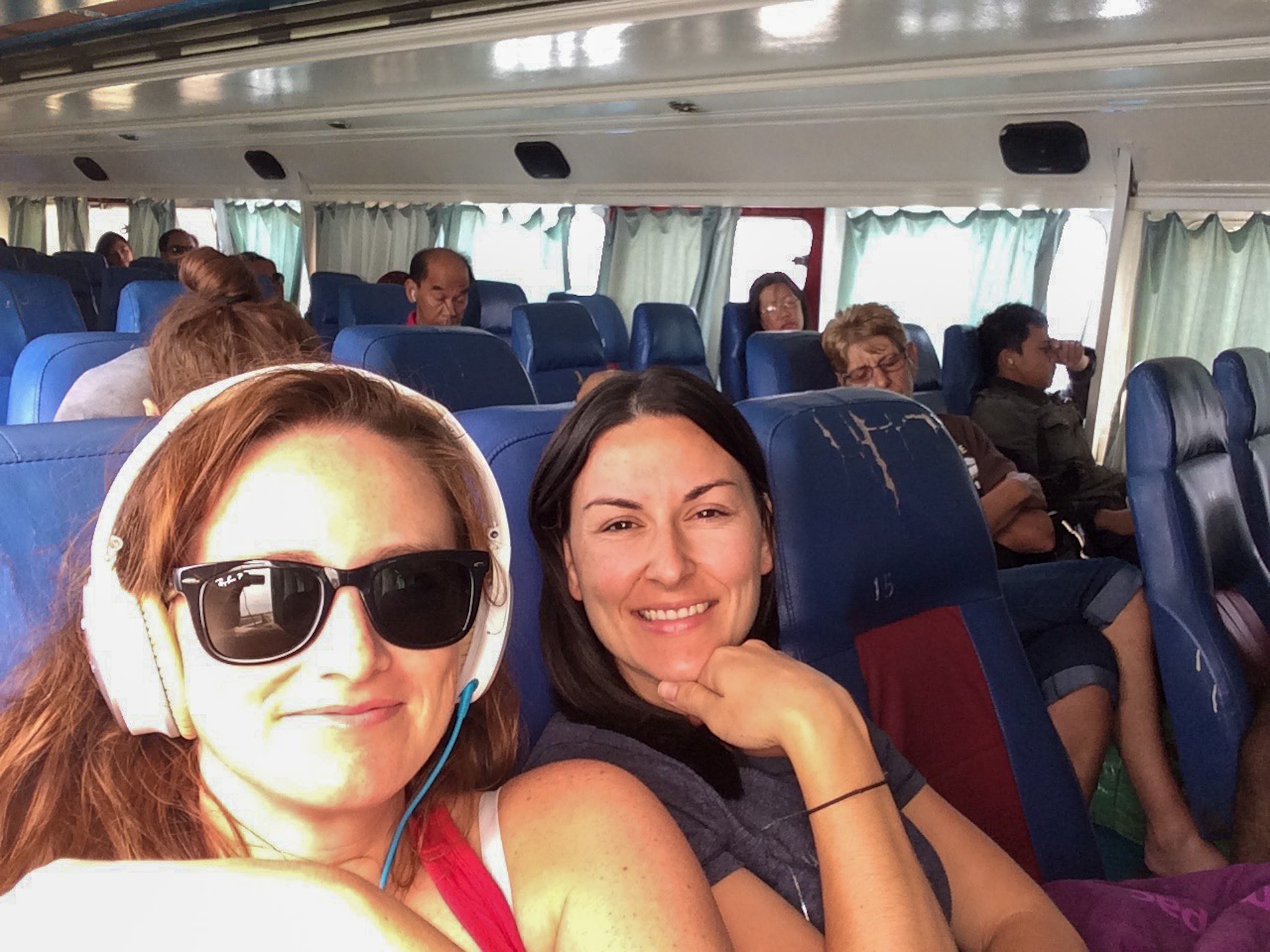
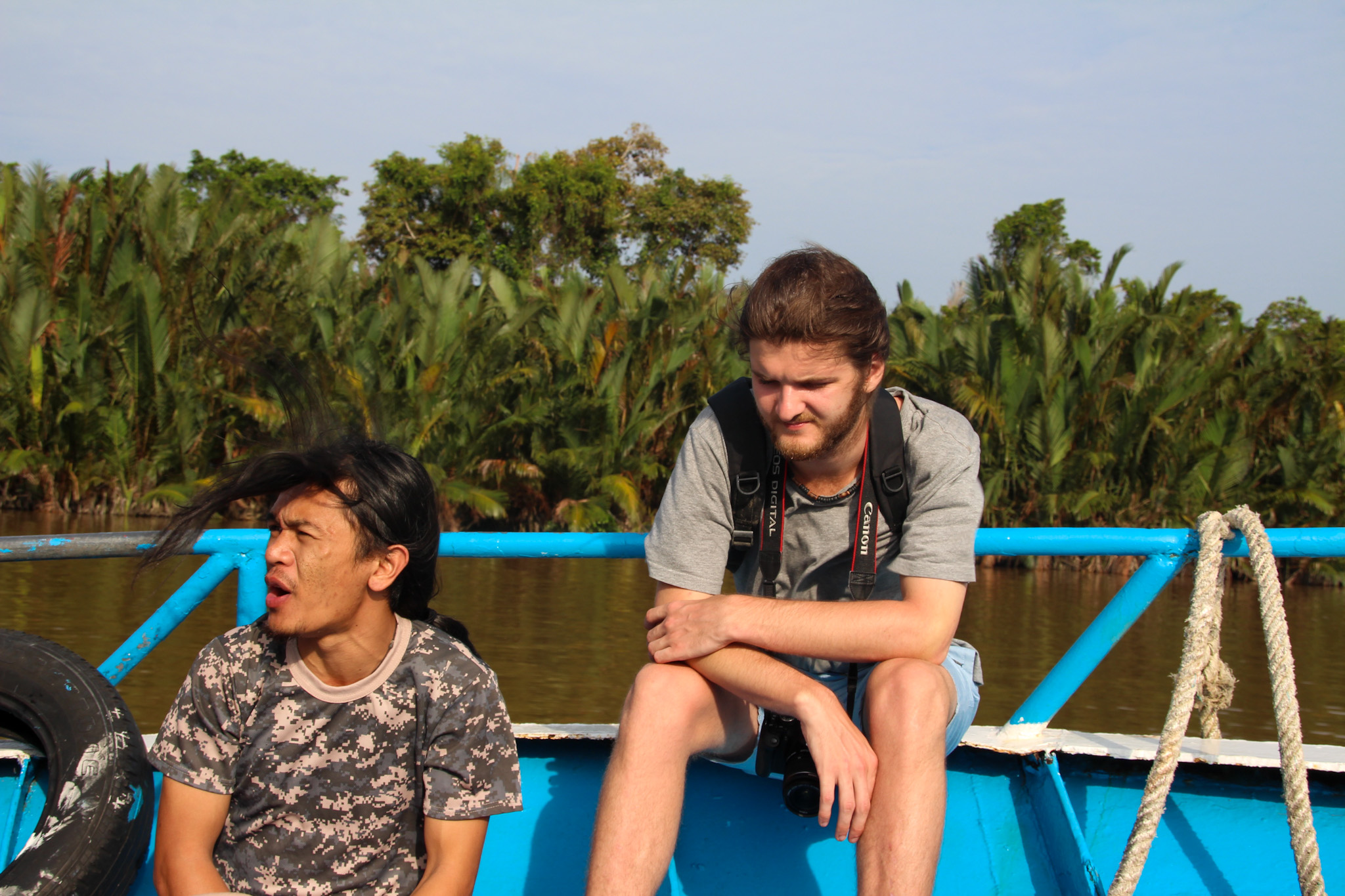
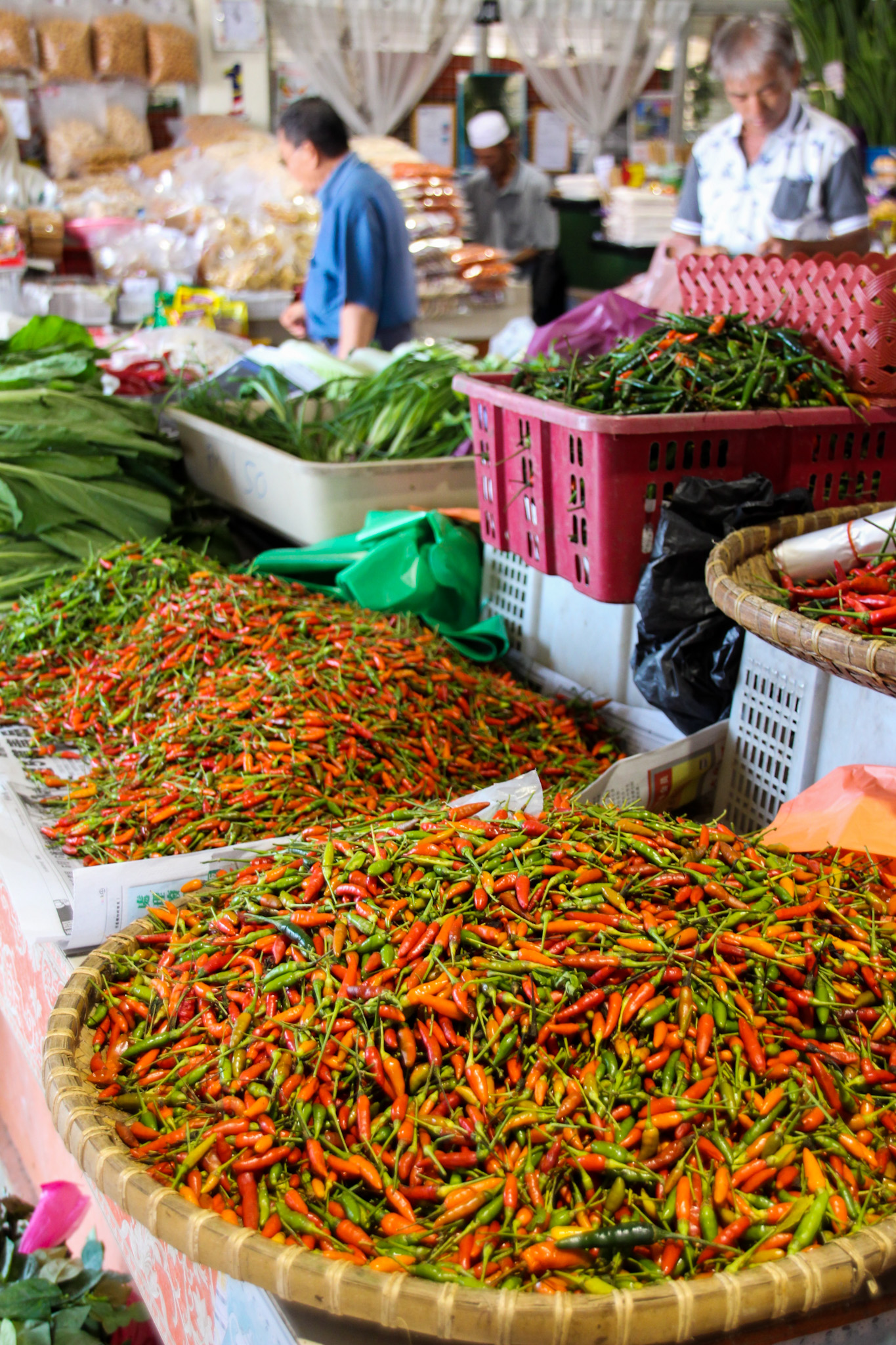
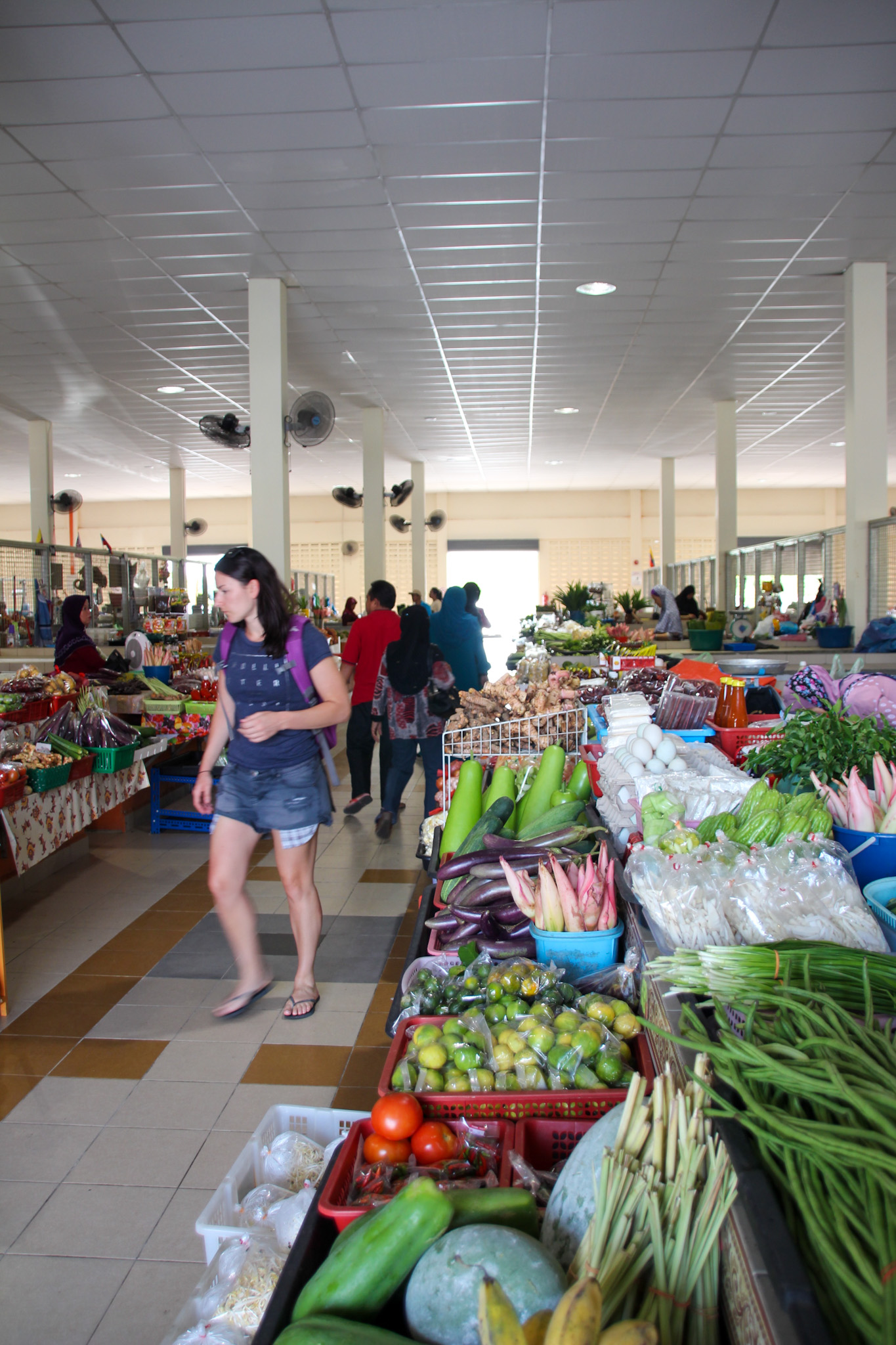
Once on Labuan Island we had lunch and explored the local food stalls and vendors before jumping straight onto another 3-4 hour ferry ride to Kota Kinabalu.
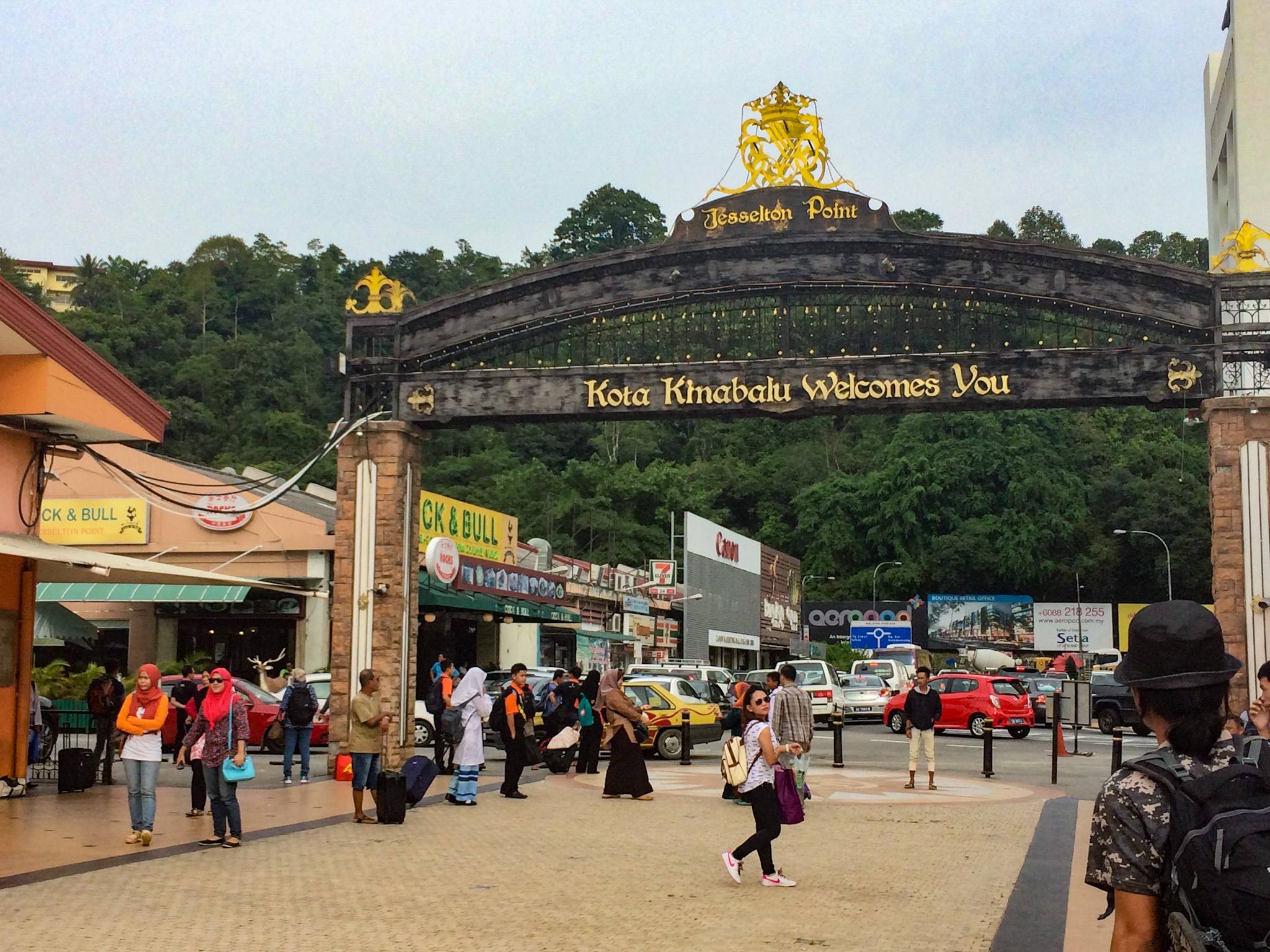
We arrived late in the afternoon and stayed at Dreamtel Hotel. We didn’t have enough time to explore the city, so after freshening up, we went for our final group dinner and finished off the evening with karaoke.
Day 10: Kuala Lumpur
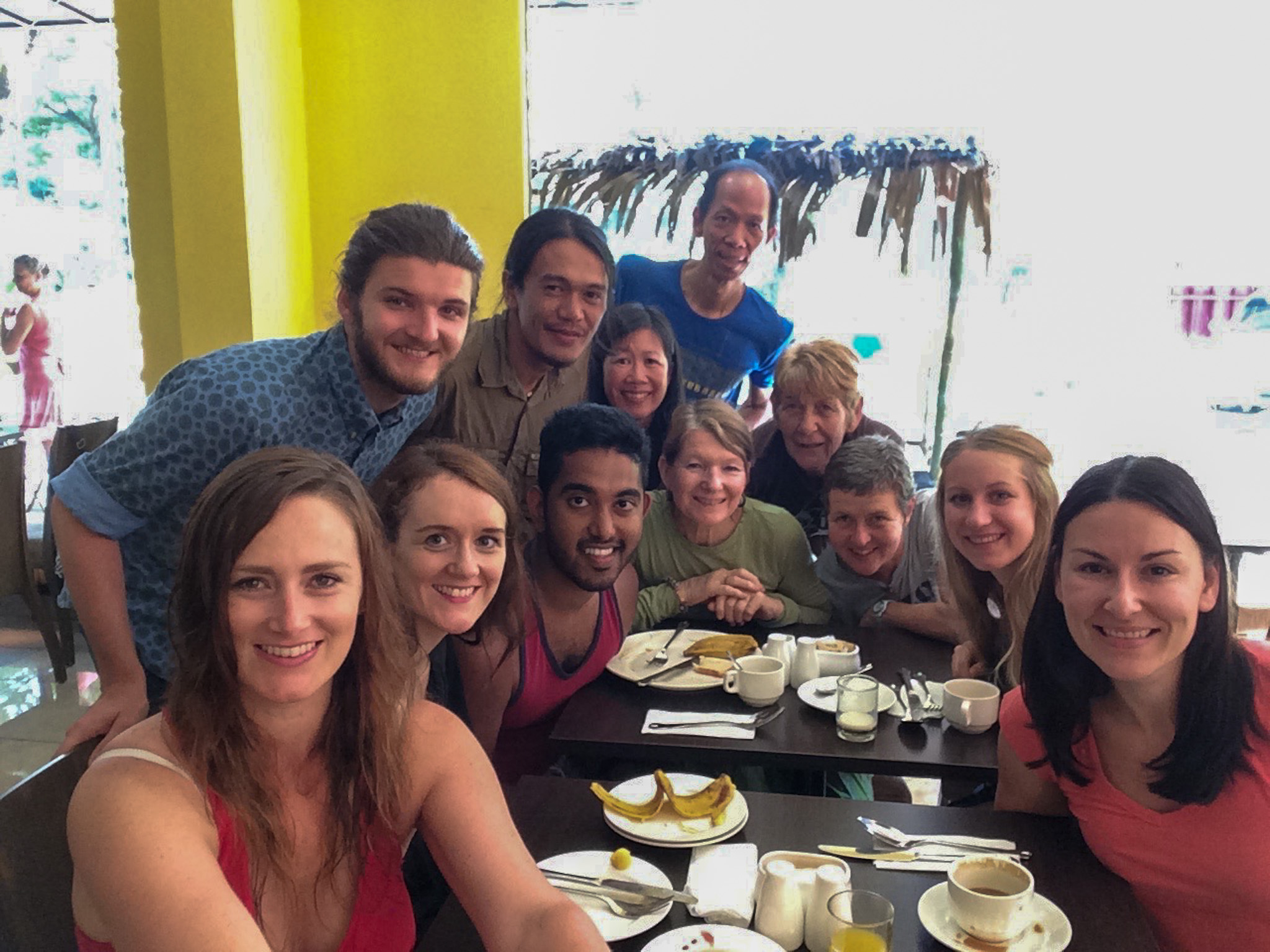
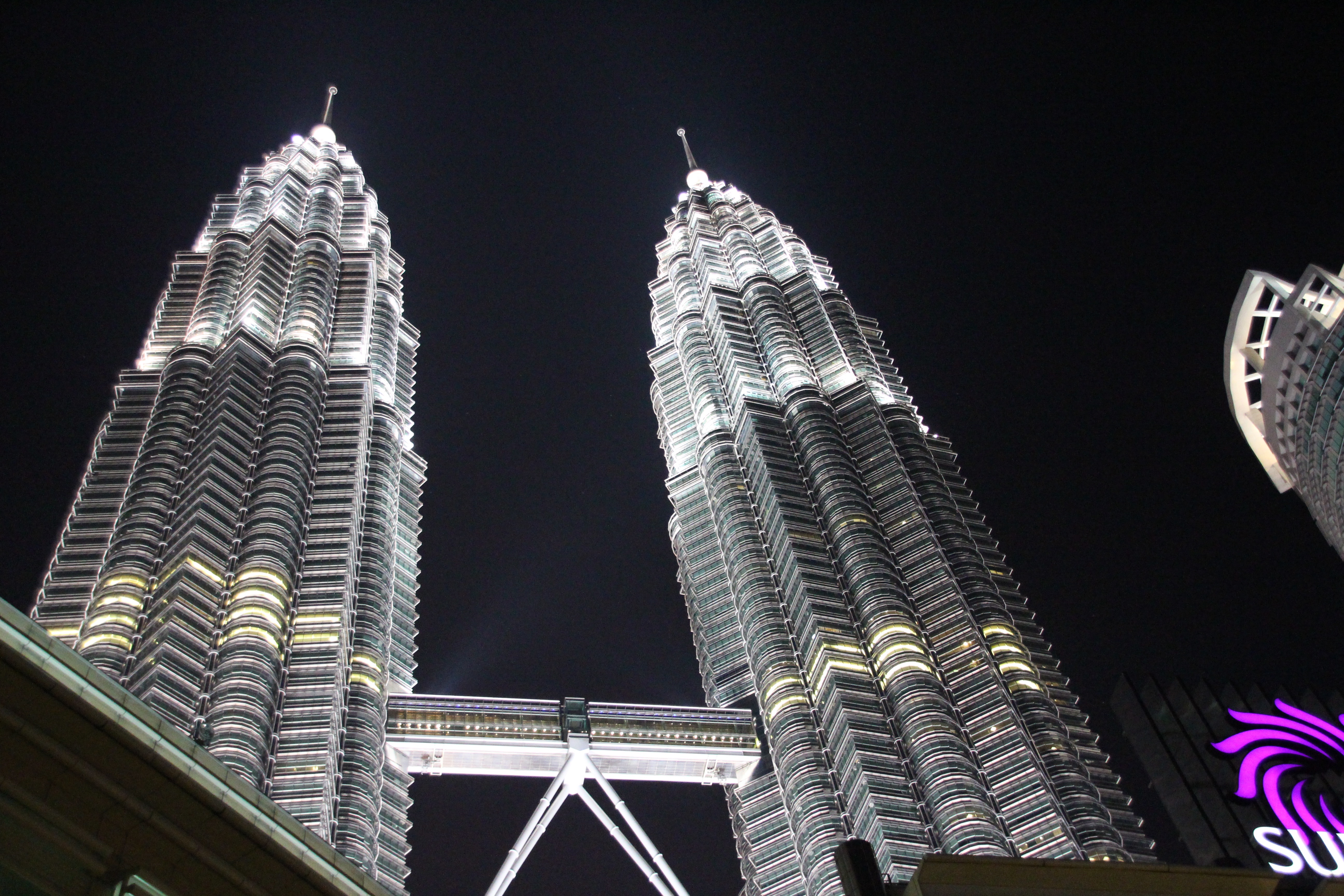
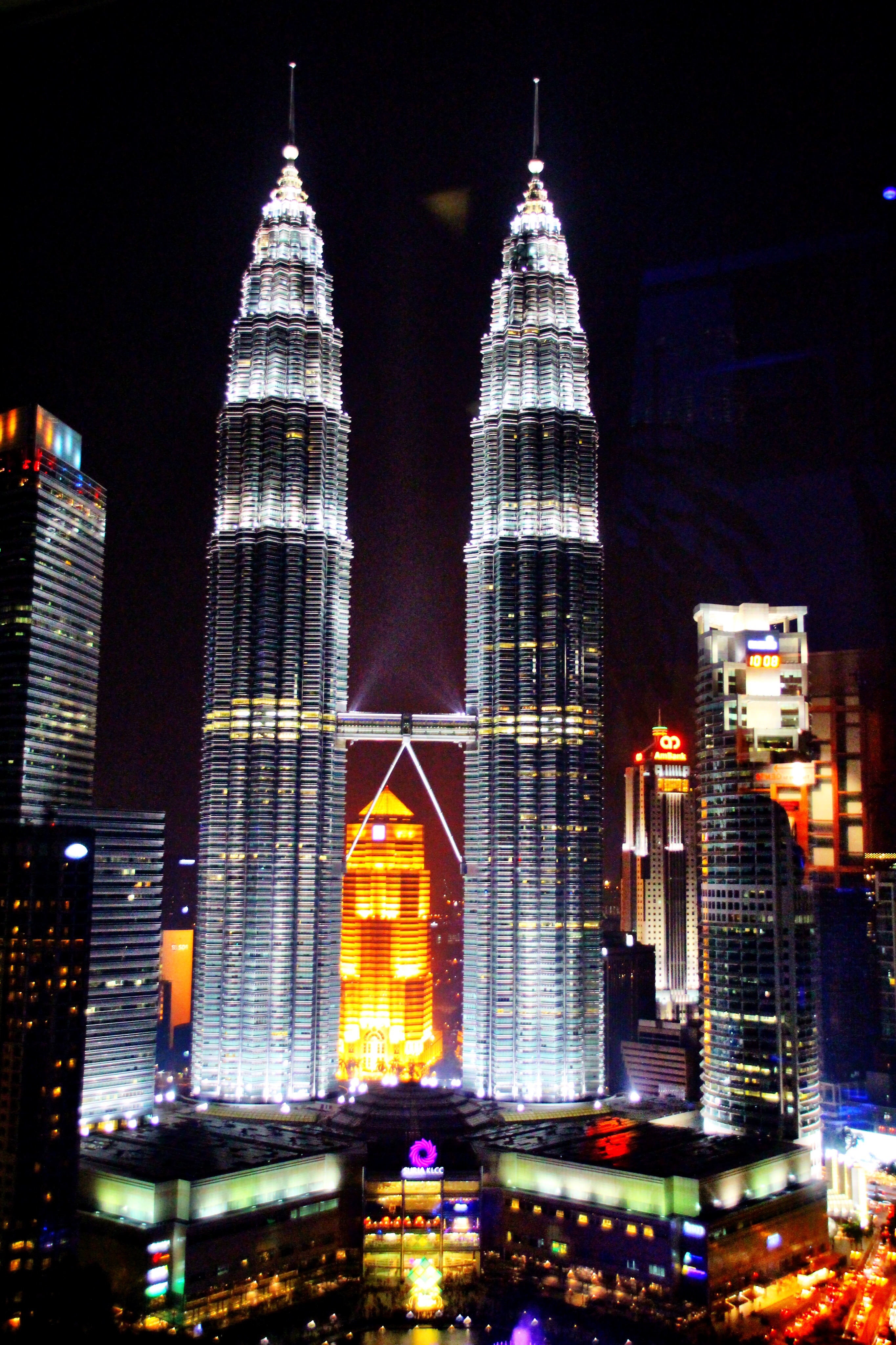
After a somber farewell breakfast with our group we said our goodbyes and flew to Kuala Lumpur where we spent 1 night at Traders Hotel. As we sat in the rooftop bar, overlooking the Towers, we reminisced about an epic trip and I reflected on the personal accomplishes I had achieved. It really did bring out the adventurist side in me which only sparked a new found curiosity for the world that I could not wait to explore.
 Postcards From Britt
Leave a comment